The Role of Logical Puzzles in Developing Conflict Resolution Skills Among Youth in Nigeria
The Vital Role of Logical Puzzles in Youth Development
In a nation as culturally rich and diverse as Nigeria, the ability to resolve conflicts constructively is more important than ever. With a tapestry of ethnicities, languages, and perspectives, disagreements are natural and often rooted in a misunderstanding of differing viewpoints. Herein lies the importance of equipping our youth with strong conflict resolution skills. One of the most captivating methods to foster these skills is through the use of logical puzzles, a strategy that not only entertains but also equips young people with critical life skills.
Enhancing Critical Thinking
Logical puzzles challenge individuals to think critically and analytically. For instance, consider a group of students attempting to solve a puzzle that involves deducing the identity of a character based on a series of clues. Engaging with such problems forces them to evaluate information, challenge assumptions, and derive solutions based on logic rather than emotion. In a society that regularly faces issues from misinformation, the development of these analytical skills is invaluable. For example, young Nigerians participating in university debate clubs often rely on similar logical thinking techniques to formulate arguments and counterarguments, preparing them for real-world discussions and negotiations.
Encouraging Collaboration
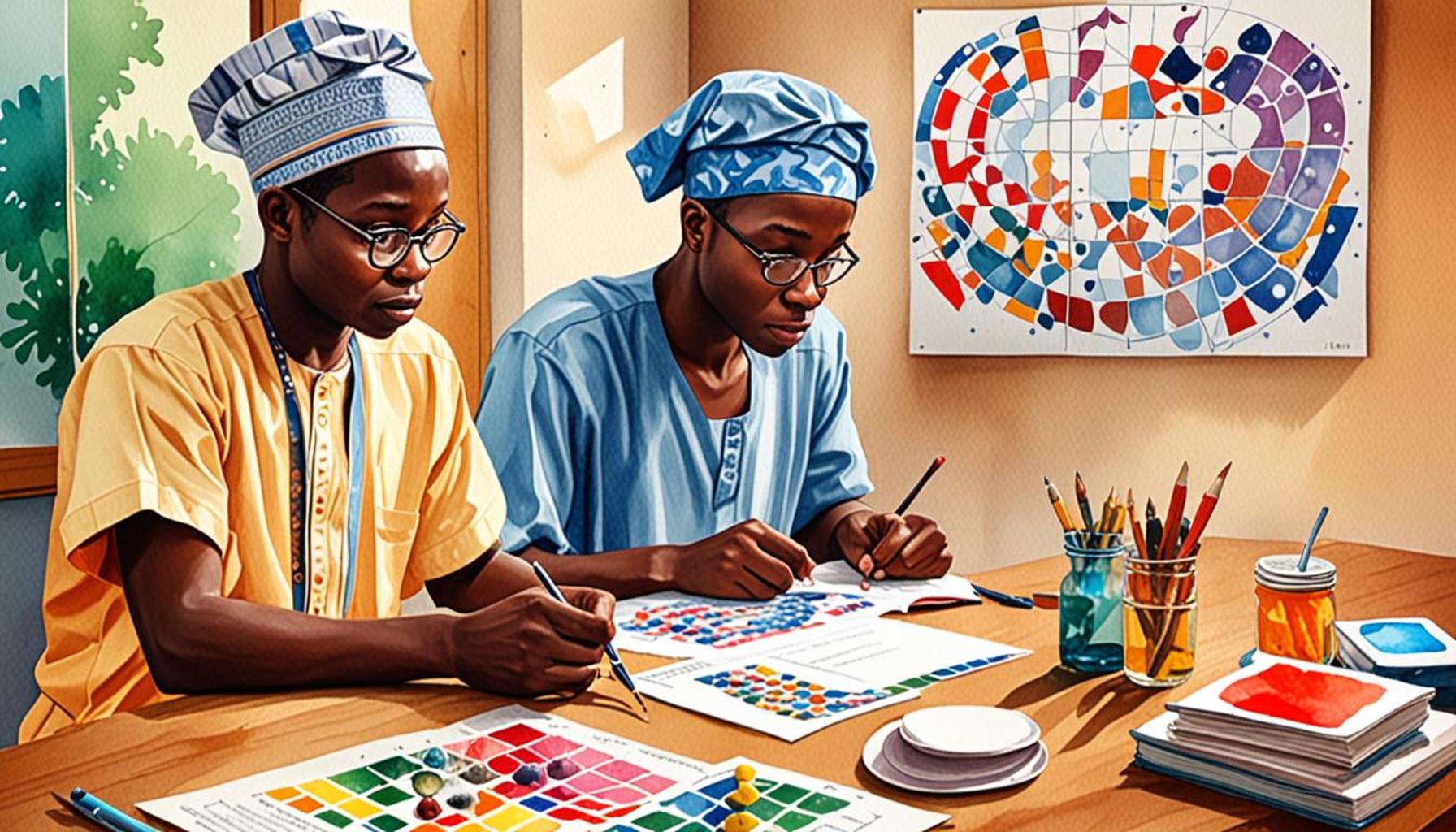
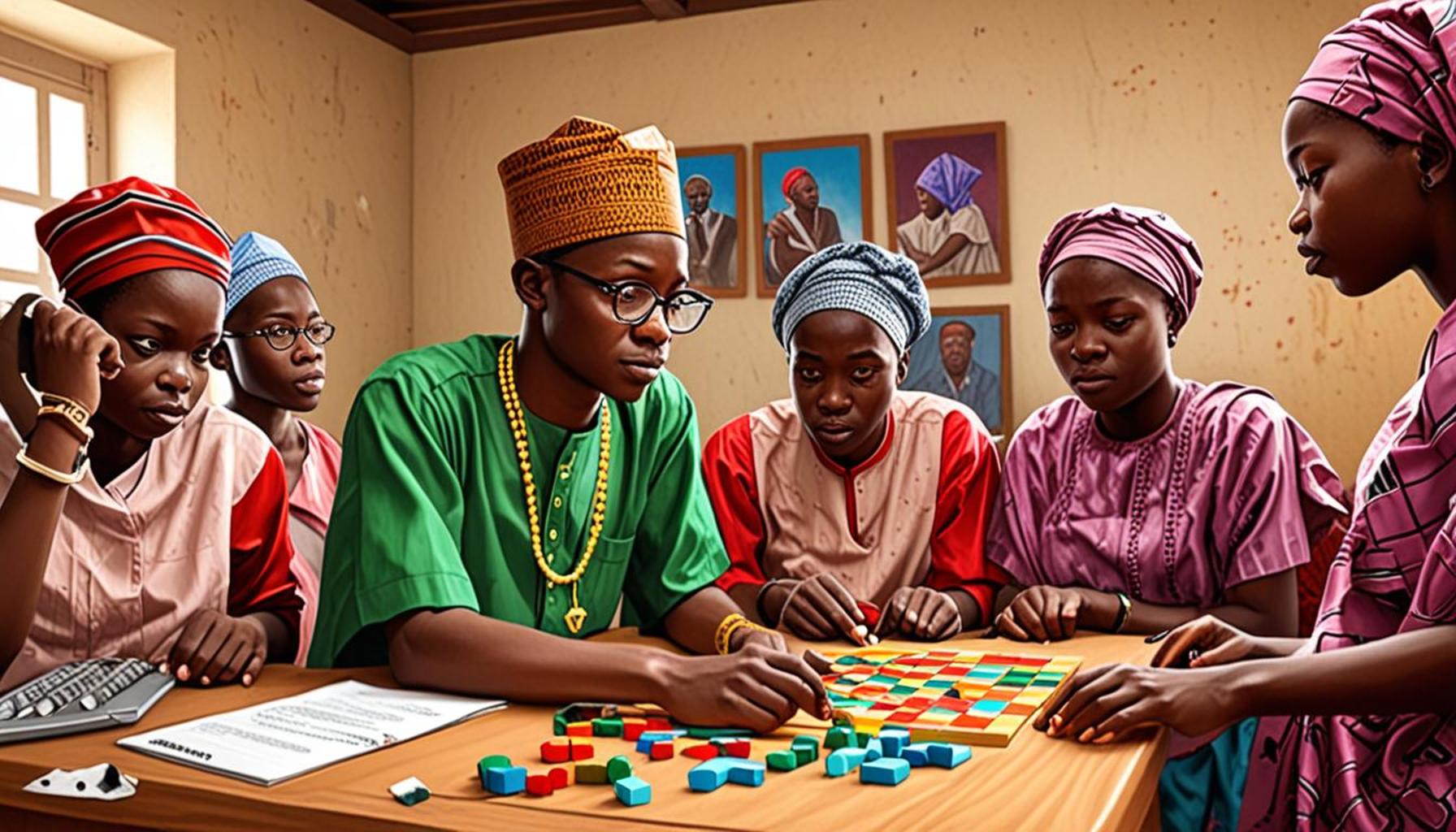
Many logical puzzles are best solved in teams, which naturally promotes collaboration among participants. This teamwork aspect is significant, particularly in Nigeria, where communal culture is deeply rooted. When students gather to tackle a puzzle, they are not just working towards a solution; they are practicing the art of shared communication. They learn to listen, express their ideas, and respect differing opinions. Such collaboration can translate into real-world scenarios, whether in family settings or community projects, where fostering cooperation can lead to more harmonious interactions.
Building Patience and Persistence
Logical puzzles often require multiple attempts to solve, instilling a sense of patience and resilience in participants. For instance, a puzzle that initially seems impossible may reveal its solution only after rigorous brainstorming and sustained effort. This mirroring of conflict resolution – where solutions may not come easily – is a powerful lesson for youths. In the context of Nigeria, where some communities face ongoing challenges such as economic difficulties and political unrest, teaching young people to persist is vital. Encouraging them to see that conflicts, like puzzles, have resolutions can significantly alter their approach to life’s challenges.
Implementation in Educational Settings
The integration of logical puzzles into the curriculum of Nigerian schools could transform the educational landscape significantly. Educational institutions and community centers can introduce puzzle-based workshops to actively engage students. Not only would this improve their critical thinking and teamwork skills, but it would also offer a fun, interactive way to discuss real-life conflicts relevant to their communities.
As the nation strives to address various social challenges, the potential benefits of utilizing logical puzzles as a developmental tool cannot be overlooked. By embracing this innovative method, educators and community leaders can pave the way for a future generation capable of resolving conflicts with creativity and confidence, ultimately fostering a more peaceful Nigeria.
CHECK OUT: Click here to explore more
Unpacking the Benefits of Logical Puzzles
In the quest to develop effective conflict resolution skills among Nigeria’s youth, one must delve deeper into the multifaceted advantages that logical puzzles offer. These engaging activities can serve not merely as a source of entertainment but also as dynamic educational tools that allow the younger generation to navigate the complexities of interpersonal relationships and societal challenges. In an increasingly interconnected world, fostering such skills through logical puzzles is a forward-thinking approach that can positively impact young minds.
Fostering Innovation and Creativity
Logical puzzles often require unconventional thinking and a willingness to step outside of one’s comfort zone. When faced with a challenging puzzle, youth are encouraged to develop and test multiple strategies until a solution is discovered. This not only nurtures creative thinking but also promotes an innovative mindset. For example, Nigerian youths involved in tech clubs or robotics competitions frequently utilize logical problem-solving techniques to design solutions to real-world problems, thereby sharpening their creativity while addressing local challenges such as poor infrastructure or educational barriers.
Developing Emotional Intelligence
Emotional intelligence, the ability to understand one’s emotions and the emotions of others, is a crucial component of conflict resolution. Through engaging with logical puzzles, youths can enhance their emotional awareness as they collaborate and compete with their peers. The nuanced conversations around puzzle solutions highlight the importance of empathy, patience, and emotional regulation. In heated discussions or disputes within communities, those with high emotional intelligence are far better equipped to manage disagreements effectively since they can better relate to varied perspectives. Encouraging practices that build emotional intelligence amplifies the potential for constructive conflict resolution among young Nigerians.
Key Skills Through Logical Engagement
To fully grasp the impact of logical puzzles on youth development, consider the following essential skills that are mastered through this engaging activity:
- Analytical Skills: Logical puzzles require individuals to break problems down into viable parts, leading to more structured thinking.
- Decision Making: Working through puzzles, especially under time constraints, cultivates decisive individuals who can make informed choices when conflicts arise.
- Resilience: Overcoming challenges posed by complex puzzles builds a spirit of resilience, essential when facing real-life conflicts.
- Communication: Discussing approaches and solutions fosters clear communication, which is vital in conflict resolution.
These skills are not just beneficial in a vacuum; they directly correlate with the experiences of young people navigating the bustling environments of Nigerian cities and villages, where cooperation and understanding are daily necessities.
Connecting Puzzles to Real-World Applications
As conflicts arise from cultural differences and varying perspectives in Nigeria, equipping youth with skills developed through logical puzzles becomes essential. An educational approach that integrates these puzzles into classrooms and extracurricular programs could create a ripple effect, fostering future leaders who can mediate disputes and promote unity. This transformative potential indicates a promising path for a nation in need of peaceful collaboration among its rich tapestry of cultures.
| Advantages | Key Aspects |
|---|---|
| Enhances Critical Thinking | Logical puzzles stimulate youth to analyze situations critically, enabling them to evaluate possible solutions effectively. |
| Fosters Teamwork | Puzzles often require collaborative efforts, teaching young people the importance of communication and cooperation in resolving conflicts. |
Logical puzzles play a pivotal role in equipping Nigerian youth with essential skills necessary for conflict resolution. By engaging in these puzzles, young individuals enhance their critical thinking abilities, allowing them to analyze complex situations and devise sound solutions. This cognitive process can significantly improve their approach to real-life conflicts, making them more adept at understanding various perspectives.Additionally, these interactive challenges encourage teamwork, as many puzzles are best solved collaboratively. Participating in group puzzle-solving activities fosters effective communication skills and nurtures a spirit of cooperation among youth. As they share ideas and strategize together, they learn how to navigate disputes amicably, reinforcing their conflict resolution capacities.By embracing logical puzzles as educational tools, Nigeria can cultivate a generation of youth who are not only skilled problem solvers but also thoughtful and respectful collaborators in their communities.
LEARN MORE: This related article may interest you
Integrating Logical Puzzles into Educational Frameworks
To leverage the benefits of logical puzzles for conflict resolution skill development among Nigerian youth, it is crucial to embed these puzzles within existing educational frameworks. Schools and community organizations can adopt innovative curricula that features logical puzzle-solving as a cornerstone activity. This approach not only enhances critical thinking but also aligns with Nigeria’s National Policy on Education, which emphasizes the need for skills that foster a peaceful and inclusive society.
Interactive Learning Environments
Creating interactive learning environments where young people can engage in puzzle-solving collaboratively can significantly bolster their conflict resolution skills. For instance, schools can organize puzzle clubs or after-school programs, focused on team challenges such as escape rooms or competitive puzzle tournaments. Initiatives like these provide youth with the opportunity to work as a team, disagree respectfully, and ultimately cultivate a spirit of compromise. By navigating multiple perspectives and approaches, they are better equipped to handle real-life disputes that stem from cultural and generational differences within Nigeria.
Cultural Sensitivity and Diversity through Puzzles
In a nation as diverse as Nigeria, understanding and respecting different cultural viewpoints is essential for resolution strategies. Logical puzzles can be tailored to reflect local cultures and narratives, allowing youths to engage with content that resonates with their experiences. For example, puzzles can incorporate elements of Nigerian folklore or proverbs, prompting discussions about values and conflict resolution approaches found in various ethnic groups. This not only makes learning more relatable but also encourages young people to appreciate the vast tapestry of perspectives that exist within their communities.
Facilitating Peacebuilding Initiatives
Logical puzzles also present opportunities for involvement in broader peacebuilding initiatives. Collaborations between schools, NGOs, and local leaders can lead to community puzzle-solving events where participants strategize solutions to local conflicts, such as resource allocation or youth engagement. Such forums allow young Nigerians to voice their opinions in a structured setting that reinforces problem-solving and negotiation skills. In essence, the humble puzzle becomes a vehicle for dialogue, collaboration, and constructive conflict management.
Measuring the Impact of Puzzles on Conflict Resolution Skills
To validate the effectiveness of logical puzzles in fostering conflict resolution skills, it is imperative to adopt assessment measures that track progress. Schools can implement feedback systems that gauge students’ ability to handle conflicts before and after participating in puzzle-solving activities. Moreover, qualitative studies can highlight improvements in emotional intelligence and decision-making skills. Increased participation in conflicts and the propensity to resolve them amicably could serve as markers of success.
With the ongoing challenges posed by socio-economic instability and political tension in Nigeria, implementing logical puzzles as a means of conflict resolution can cultivate a new generation capable of navigating these pressures. By fostering an educational landscape that embraces critical thinking and collaboration, appropriate frameworks will empower Nigerian youth to become proactive leaders in conflict resolution, ultimately contributing to societal harmony.
YOU MAY ALSO LIKE: Read read another article
Conclusion
In summary, the integration of logical puzzles into the educational landscape of Nigeria represents a transformative approach to cultivating conflict resolution skills among youth. As outlined, these engaging tools not only foster critical thinking but also encourage collaboration and respect for diverse perspectives within the vibrant mosaic of Nigerian society. By participating in logical puzzle-solving activities, young people are better equipped to tackle disputes that arise from cultural differences and socio-economic pressures, ultimately nurturing a generation of skilled mediators and peacebuilders.
The potential of logical puzzles extends beyond classroom walls, reaching into communities where collaborative experiences can empower youth to voice their thoughts and contribute to local conflict resolution efforts. This hands-on learning can shapeshift into structured peacebuilding initiatives, thereby reinforcing the importance of diplomatic discourse and negotiation. By measuring the impact of these activities on young people’s emotional intelligence and decision-making abilities, stakeholders can refine programs to maximize their effectiveness.
The path toward fostering a harmonious society in Nigeria hinges on innovative educational strategies that equip the youth with essential conflict management tools. As logical puzzles inspire creativity and critical thinking, they can pave the way for a culture of understanding, empathy, and ultimately, peace. Engaging with this approach invites opportunities for further exploration and development, urging educators, policymakers, and community leaders to come together and champion the cause. As the echo of conflict ebbs, may the young minds of Nigeria rise, ready to navigate the complexities of their world with skill, wisdom, and unwavering resolve.