Competition and Collaboration: The Role of Logical Puzzles in Tournaments and Community Events in Nigeria
The Rise of Logical Puzzles in Nigerian Events
In recent years, Nigeria has experienced a remarkable increase in the popularity of logical puzzles, which have become vital elements in various community and competitive events. These brain-teasing challenges not only test individual reasoning skills but also enhance community collaboration and foster a spirited competitive environment. The perfect blend of fun and learning is reshaping the atmosphere of social gatherings throughout the nation.
Logical puzzles come in myriad formats, including riddle contests, Sudoku tournaments, and brain-teaser workshops, making them appealing to a broad spectrum of participants. The importance of these puzzles is evident in several key areas:
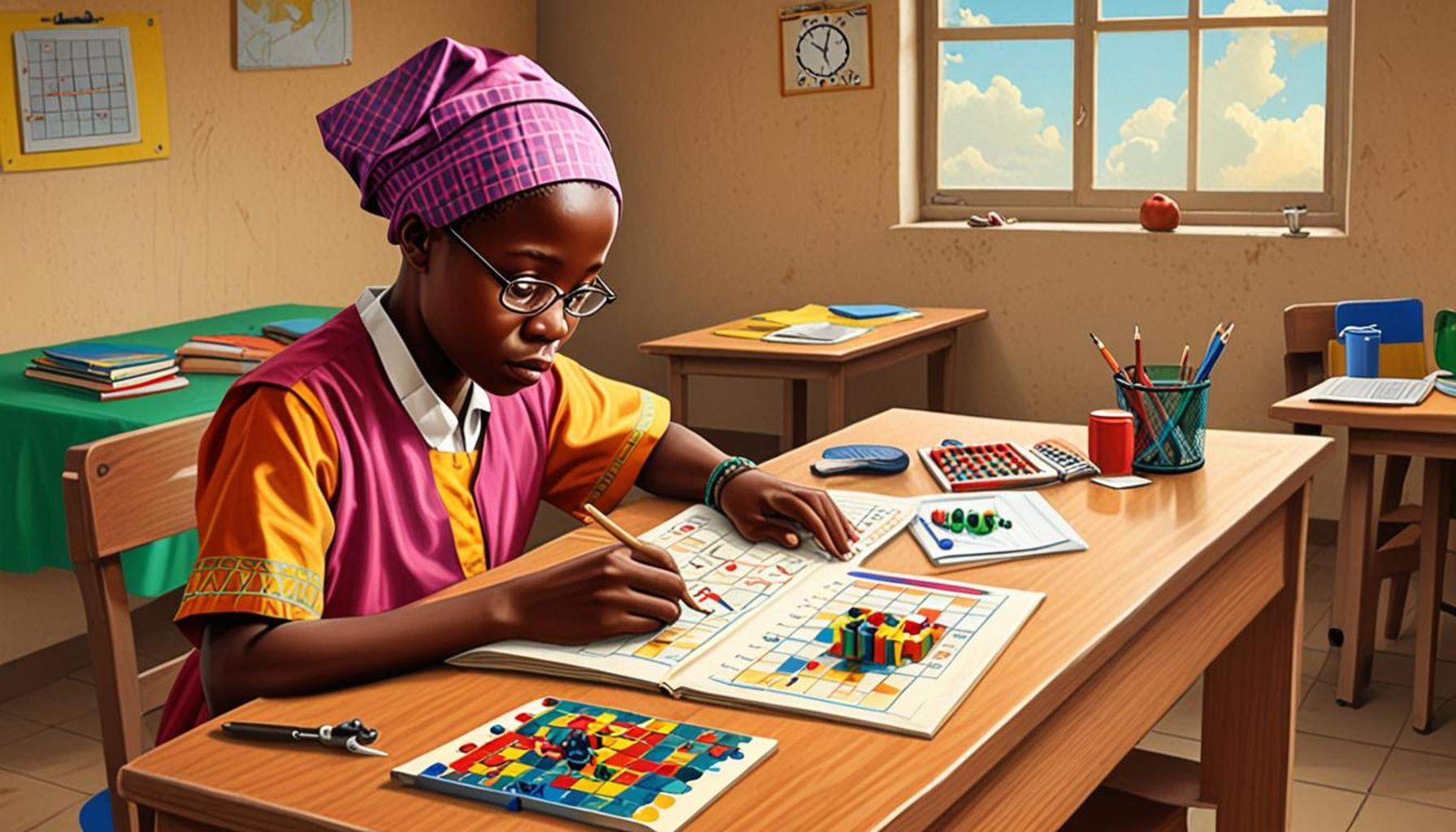
- Educational Events: Logical puzzles play a crucial role in enhancing critical thinking skills among students. Schools across Nigeria, from primary to tertiary levels, integrate these puzzles into their curricula to promote analytical reasoning and problem-solving abilities. For instance, during mathematics week, students might participate in puzzle-solving contests to reinforce their understanding of complex concepts while enjoying the thrill of competition.
- Community Gatherings: Events such as local fairs and town hall meetings have increasingly included logical puzzles as a means to promote teamwork and unity among participants. For example, community members might engage in group puzzles where collaborating to solve a problem enhances neighborhood bonds. This fosters a spirit of togetherness, as individuals of various backgrounds come together to tackle challenges as a team.
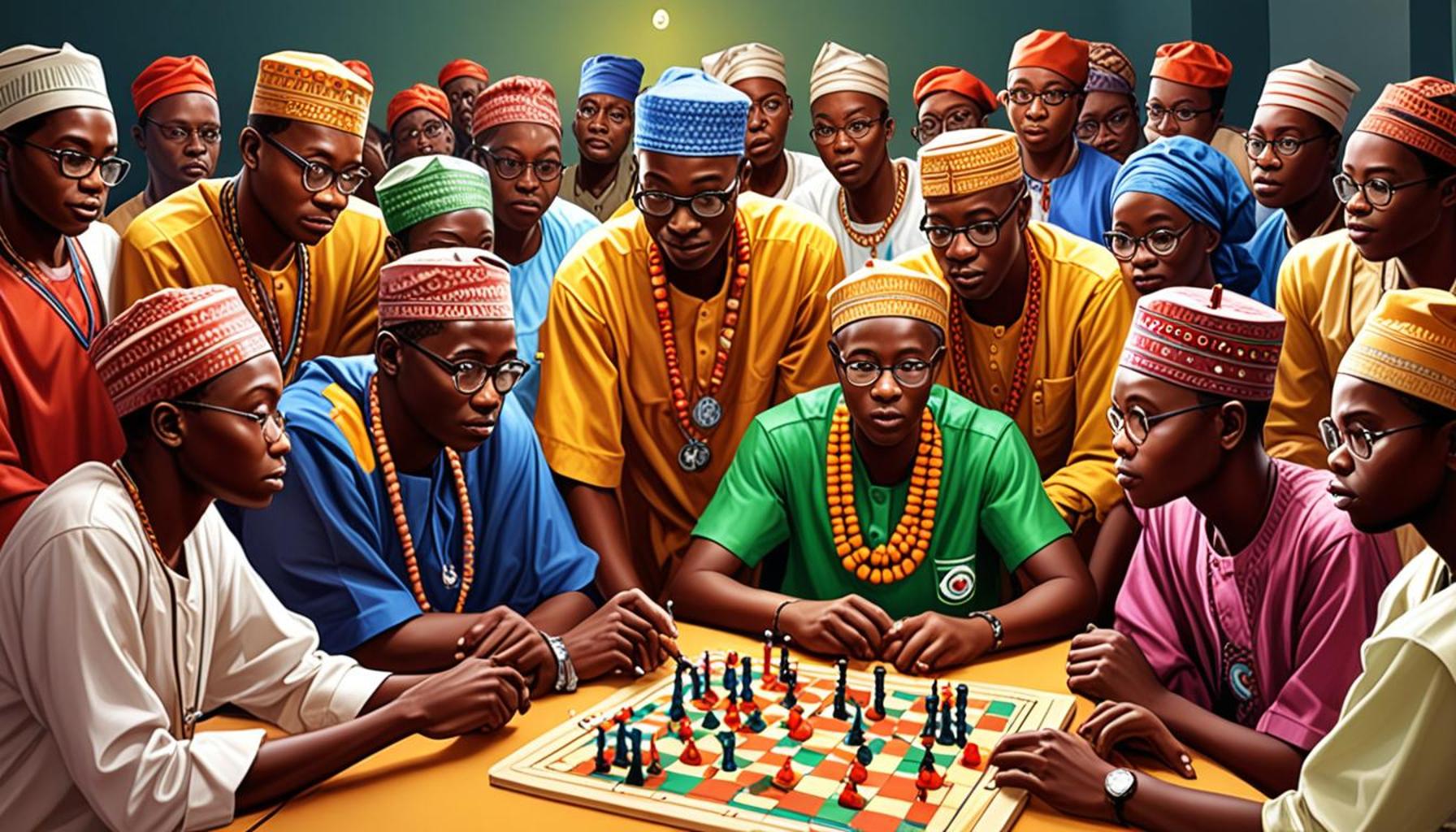
- Competitions: Organized competitions, such as puzzle-solving leagues and national championships, attract participants eager to test their problem-solving skills. These events often draw a large audience, with people cheering for their local teams. For instance, the annual Nigeria Scrabble Championship not only tests vocabulary but also encourages strategic thinking akin to puzzles, making it a celebration of intellectual prowess.
As logical puzzles become more ingrained in events like school fairs, corporate team-building activities, and cultural festivals, they not only promote cognitive agility but also help to cultivate personal relationships among participants. The fascinating interplay of competition and collaboration allows individuals to expand their intellect while contributing to a collective objective, enriching the social fabric of communities.
Diving deeper into the significance of logical puzzles reveals they are more than simple games; they offer a platform for cultural exchange and personal growth. The shared experiences generated through these engaging challenges can lead to conversations that cut across cultural divides, enriching participants’ understanding of one another. As such, the future of community events in Nigeria may indeed hinge on the innovative integration of these thought-provoking puzzles, proving that learning and connection can flourish simultaneously in a joyous environment.
LEARN MORE: This related article may interest you
The Dynamics of Competition and Collaboration
Logical puzzles serve as bridges that connect individuals through competition and collaboration. The dual nature of these activities creates a compelling framework for learning and social interaction. In Nigeria, where communal values are paramount, the integration of logical puzzles fosters an environment that thrives on both individual achievement and collective success. The very essence of these puzzles, which require both personal intellect and group discussion, reinforces the idea that collaboration can elevate individual performance.
When participants engage in logical puzzle competitions, they encounter various scenarios that challenge not only their reasoning abilities but also their capacity to work harmoniously with others. Organizers of events often design tournament formats that incorporate team-based puzzle challenges, ensuring that collaboration is an essential component. Here are some notable examples illustrating this dynamic:
- Team Puzzle Challenges: Events like the National Logic Challenge have teams solving intricate brain teasers where the clock is ticking. The pressure of time fosters an atmosphere of collaboration as team members must swiftly share ideas, strategize approaches, and capitalize on each member’s strengths to solve the puzzles effectively.
- Cultural Festivals: During cultural festivities, such as the Lagos Carnival, logical puzzles are often incorporated into games that celebrate local traditions. Participants from different backgrounds come together to solve community-themed riddles, promoting teamwork and cultural synergy while enhancing their problem-solving skills.
- School Competitions: In many local schools, annual inter-school competitions feature puzzle-solving sessions that encourage teamwork. Here, students not only compete for individual accolades but also for collective glory as they represent their schools. This dual focus on personal and group accomplishments nurtures a sense of belonging and camaraderie.
The role of logical puzzles in these settings extends beyond mere entertainment; they are a vehicle for enhancing cognitive engagement while also promoting critical life skills such as communication, patience, and leadership. Participants learn that while competition can drive them to personal excellence, collaboration with others enriches their overall experience and outcomes.
Furthermore, the emergence of online platforms dedicated to logical puzzles has expanded the reach and accessibility of these competitions. With events streamed live and encourages participation from remote locations, individuals from various states can join teams that span the nation, breaking geographical barriers. This inclusivity is crucial in a diverse country like Nigeria, where varying cultural perspectives bring unique problem-solving approaches to the table.
By harnessing the power of logical puzzles, Nigerian society is witnessing a reinvigoration of community spirit. As participants engage in friendly competitions and collaborative exercises, they inadvertently strengthen the societal fabric, fostering connections that endure beyond the event. The result is a remarkable interplay of intellect, skill, and social cohesion that proves essential for personal growth and community development.
Exploring the Dynamics of Competition and Collaboration in Nigeria
Logical puzzles play a vital role in various community events and tournaments across Nigeria, fostering both competition and collaboration. In an era where community cohesion is essential, these puzzles serve not only as a source of entertainment but also as a means to enhance critical thinking and teamwork among participants. One of the most notable aspects of these events is their ability to bring together individuals from different backgrounds, encouraging them to work collaboratively. In highly competitive environments, participants are often tasked with solving complex puzzles that require collective brainstorming and team synergy. This not only enhances interpersonal skills but also helps to break down social barriers, creating a sense of unity among diverse groups.Moreover, tournaments featuring logical puzzles are becoming increasingly popular, drawing in participants of all ages. These competitions spark interest in problem-solving and analytical thinking, essential skills in today’s job market. Events are typically organized within schools and local communities, significantly contributing to educational growth and promoting a love for science, technology, engineering, and mathematics (STEM fields). Additionally, these tournaments often involve prizes and recognition that motivate participants. The blend of competition and collaboration cultivates a spirit of healthy rivalry where knowledge and strategies are shared among participants, enriching the community’s intellectual environment. As hold a profound influence on fostering a culture of learning, success, and community bonding, logical puzzles are integral to Nigeria’s evolving tableau of community events.
| Category | Advantages |
|---|---|
| Community Engagement | Enhances social bonds and fosters unity among diverse groups. |
| Skills Development | Promotes critical thinking, teamwork, and problem-solving abilities. |
The combination of logical puzzles with community events not only elevates individual skills but also transforms entire communities, reinforcing the important theme of competition and collaboration in Nigeria.
CHECK OUT: Click here to explore more
Enhancing Skills through Engaging Experiences
The integration of logical puzzles into tournaments and community events in Nigeria is not solely about the thrill of competition; it is also a profound opportunity for personal and communal development. These activities contribute to a rich learning environment where individuals can sharpen their skills while enjoying the process. The cognitive benefits of puzzle-solving are well-documented, as they engage critical thinking, analytical reasoning, and creativity. Yet, what often goes unrecognized is how these puzzles foster essential social skills that are paramount in Nigeria’s diverse society.
Many events designed around logical puzzles incorporate educational aspects that go beyond mere entertainment. For example, workshops preceding competitions often present participants with dedicated time to learn problem-solving techniques and collaborative strategies. Such initiatives are pivotal, especially in urban centers like Lagos and Abuja, where participants come from various educational backgrounds. The desire to excel often meets the necessity of collective learning, allowing individuals to share insights, methodologies, and distinctive approaches drawn from their cultural experiences.
- Intergenerational Engagement: Community events frequently leverage logical puzzles to bridge the gap between generations. Older participants, armed with traditional knowledge and wisdom, can pass on techniques for solving complex puzzles to younger attendees. This mentorship not only empowers the youth but also revitalizes communal ties, thereby enriching the overall spirit of collaboration.
- Gender Inclusivity: The landscape of competitive puzzle solving in Nigeria also champions gender inclusivity. Initiatives targeting young girls, like the “Girls Code Nigeria” campaign, use logical puzzles as tools to inspire confidence in STEM (Science, Technology, Engineering, and Mathematics). These platforms foster collaboration among young women, equipping them with critical skills and instilling a belief in their capabilities to solve complex challenges, thus promoting gender equality.
- Corporate Collaborations: In a professional context, companies in Nigeria are now recognizing the importance of teamwork and problem-solving through logical challenges. Multi-corporate puzzle competitions have emerged as a means to foster employee collaboration and critical thinking, encouraging organizations to evaluate and develop their personnel’s skills. Such corporate events often see teams solving industry-related puzzles, ultimately leading to innovative solutions that benefit the businesses involved.
The involvement of educational institutions in organizing puzzle tournaments extends the benefits to the academic realm as well. Schools across Nigeria, from primary to tertiary levels, conduct annual puzzle competitions that not only allow students to exhibit their abilities but also paves the way for inter-school networking. Such events encourage the exchange of ideas, resources, and experiences, reinforcing the principle of collaborative learning. This phenomenon enhances not just the intellectual capacity of the participants, but it also nurtures a supportive network essential for future academic and professional opportunities.
Moreover, the expanding world of digital puzzles presents another avenue for promoting collaboration and competition among Nigerians. Websites and mobile applications increasingly host online tournaments, allowing individuals to participate from anywhere in the country. These platforms foster connections between contestants while encouraging friendly rivalry. In this digital age, the ability to connect virtually means that a participant from a small town can compete alongside someone from a bustling metropolis, creating a sense of unity across geographical boundaries.
As puzzle solving continues to weave itself into the fabric of Nigerian society through tournaments and community events, it becomes increasingly clear that the skills honed in these settings extend far beyond the puzzle itself. Participants are not only testing their mental abilities; they are learning to communicate effectively, think critically, and embrace diversity—all of which are essential skills in today’s interconnected world.
RECOMMENDED: Check out this similar article
Final Thoughts: Embracing Logical Challenges for Growth
As we explore the dynamic interplay of competition and collaboration within the realm of logical puzzles in Nigeria, it becomes evident that these engaging activities extend beyond the boundaries of mere entertainment. They serve as powerful catalysts for both individual and communal growth, fostering an environment where critical skills flourish. The various dimensions of puzzle-solving—championing intergenerational engagement, promoting gender inclusivity, and enhancing teamwork in corporate settings—underscore the multifaceted benefits of such events.
The continued success of logical puzzle tournaments in Nigeria signals a burgeoning recognition of their potential to unite diverse populations, transcending socio-economic and geographical barriers. With the integration of technology, participants from the farthest corners of the nation can now partake in a collective journey of discovery and problem-solving. This sense of unity is paramount, highlighting the significant cultural exchange that arises from sharing insights and strategies amid spirited competition.
Furthermore, as educational institutions and community leaders embrace these initiatives, they pave the way for a future where problem-solving becomes a shared cultural value. Thus, it is crucial for stakeholders—including educators, corporate entities, and policymakers—to invest in and promote logical puzzle events, ensuring that the next generation is equipped with the necessary skills to navigate an increasingly complex world.
Ultimately, the role of logical puzzles in Nigeria reflects the nation’s journey towards greater collaboration, innovation, and resilience. As individuals sharpen their mental capabilities and expand their social networks, they contribute to a vibrant tapestry of ideas, fostering a community compactly poised for collective triumph in the face of future challenges.