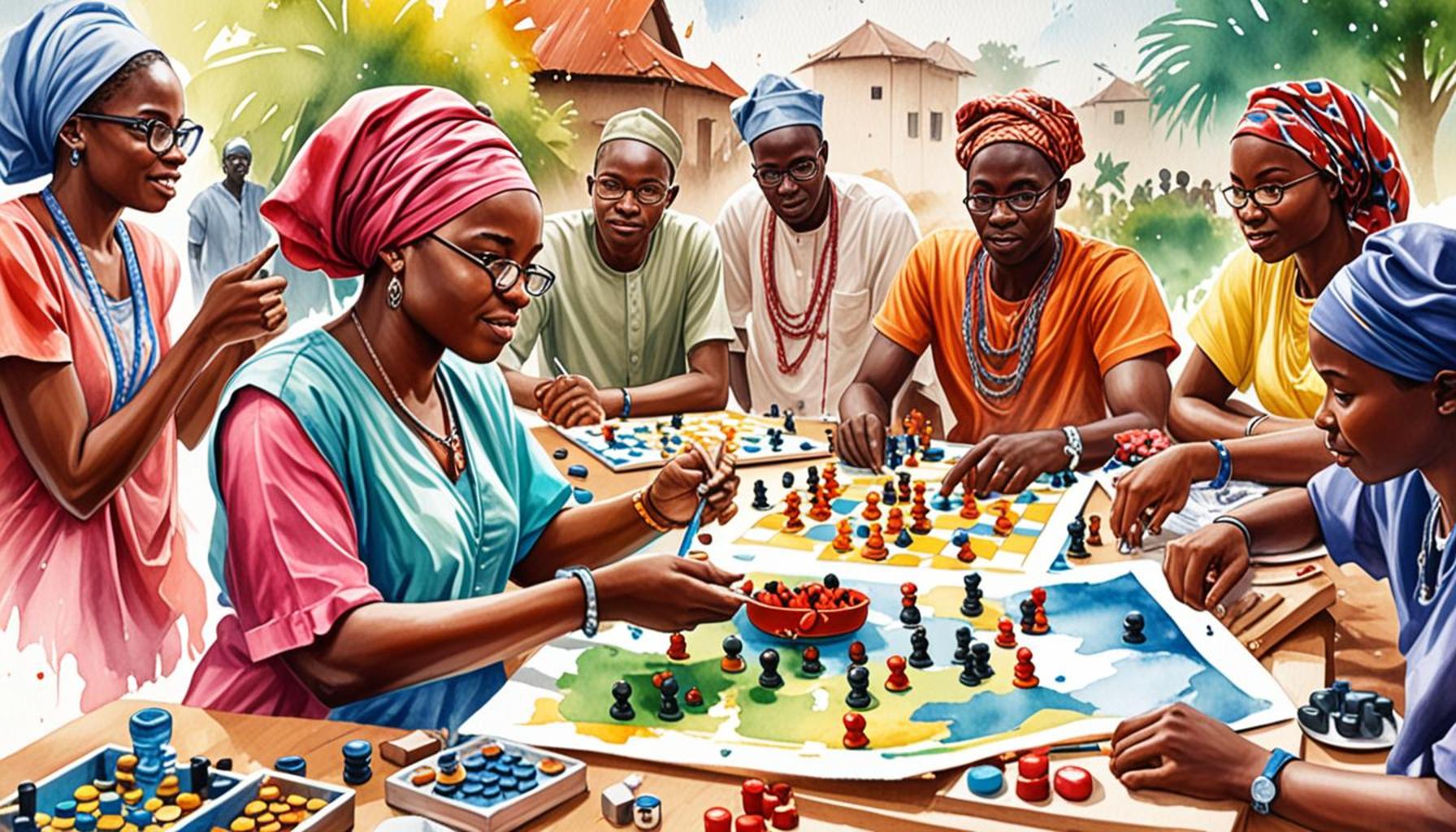
The Influence of Mobile Technology on Strategy Games: Emerging Trends in Nigeria
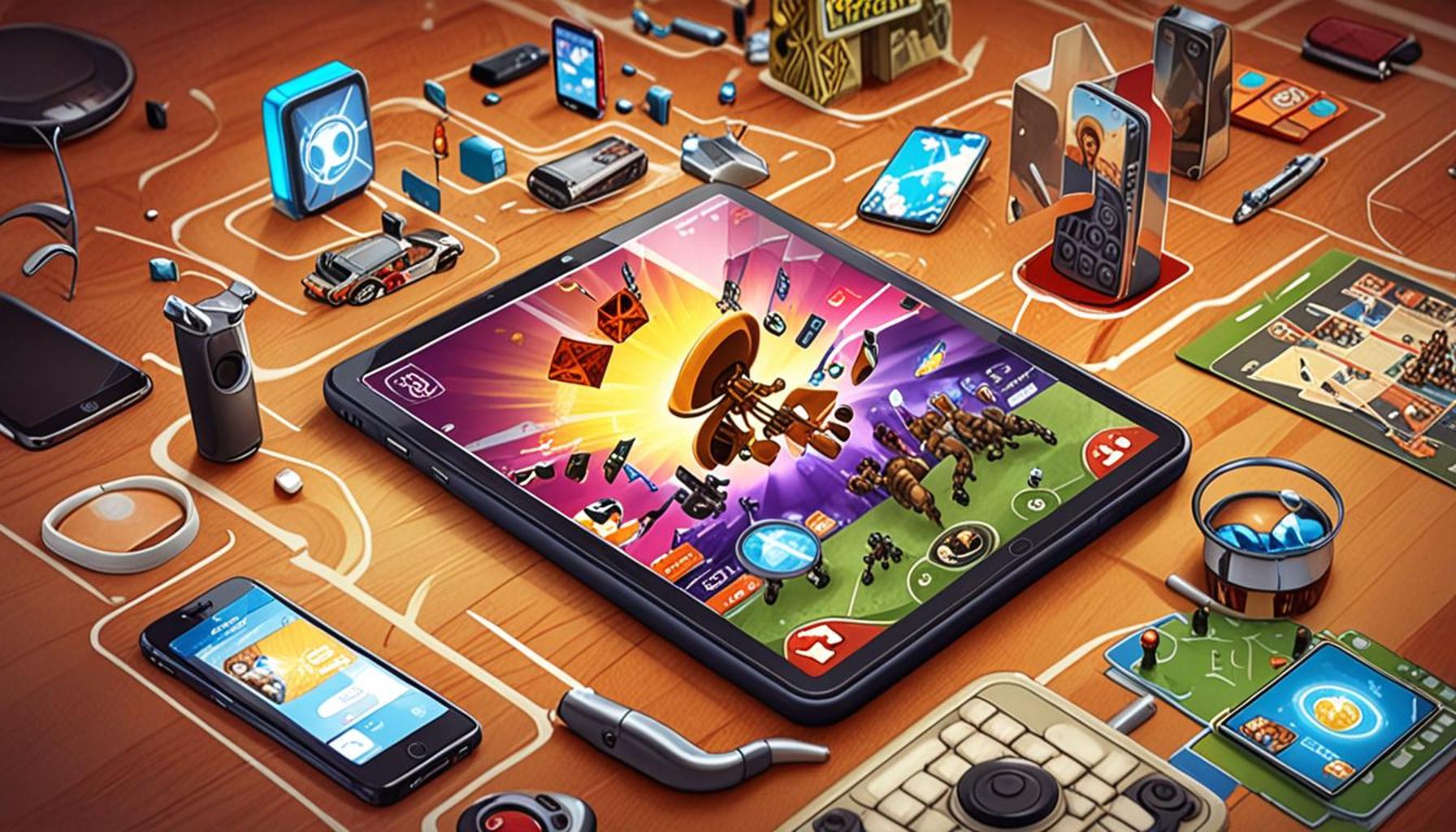
Mobile Technology and Gaming in Nigeria
The transformation of gaming in Nigeria can be traced back to several key advancements in mobile technology. As smartphones have become more affordable and available, they have fundamentally altered not only what games are popular but also who has access to them. With over 50% of Nigerians now owning smartphones, this demographic shift has significantly expanded the potential player base for strategy games. This leap towards digital platforms represents a move away from traditional gaming consoles, creating a new paradigm for how games are developed and consumed.
Another essential component of this evolution is the availability of affordable data plans. With improved internet access, players can connect and compete online with friends or strangers, irrespective of their geographic locations. This connectivity is vital in a nation as diverse as Nigeria, where different regions may have unique interests and gaming styles. Additionally, the rise of mobile gaming has allowed urban and rural players to interact and engage with one another in unprecedented ways. Popular games such as “Ayo” and “Super Mario” have shown how a blend of culture can thrive in a digital environment.
The Surge of Local Content Creation
The emergence of local developers has been nothing short of a revelation for the Nigerian gaming scene. With an increase in local content creation, developers are crafting games that resonate with the cultural nuances of Nigerian society. This includes incorporating local languages, folklore, and community narratives into strategy games to create truly immersive experiences. For instance, games such as “Kola Nut” are engaging Nigerians by drawing on familiar cultural elements while also providing a competitive, fun outlet.
Emerging Trends in Gaming
As mobile technology continues to evolve, several significant trends are reshaping the gaming environment. One prominent trend is the rise of community-focused gameplay. Players are increasingly interested in multiplayer strategy games that offer social experiences, akin to traditional board games but on a far more advanced platform. Games that prioritize teamwork and cooperation are gaining traction, enriching the overall gaming ecosystem and enhancing social connectivity.
In addition, the future of game monetization is taking on innovative forms. Developers are now implementing in-game monetization strategies that not only keep the games free to play but also allow for continuous updates and new content. This model is proving successful, as players can enjoy games without the burden of upfront costs, while developers can monetize their creativity effectively.
Moreover, the integration of augmented reality (AR) is paving the way for a more interactive approach to strategy gaming. AR technology offers a rich gaming experience that merges physical and digital realms, enticing players to engage in unique challenges that reflect their real-world environment. This has the potential to create new gameplay scenarios, giving rise to a blend of entertainment and real-life exploration.
The convergence of these trends is propelling Nigeria towards a vibrant gaming culture. Players and developers alike are poised to benefit from this dynamic intersection of technology and entertainment, inspiring interest and investment in a sector that shows no signs of slowing down. As the gaming landscape continues to evolve, staying informed on these developments will be crucial for those interested in partaking in this exciting trend.
ADDITIONAL INSIGHTS: Expand your understanding here
Local Developer Innovations Driving Change
The rise of mobile technology in Nigeria has not only transformed the gaming landscape but has also empowered local developers to create innovative strategy games that mirror the essence of Nigerian culture. This shift is crucial as it bridges a significant gap between global gaming trends and local narratives, allowing players to engage with content that is both relatable and culturally relevant. With access to intuitive development tools and platforms, these developers are crafting unique experiences that resonate deeply with the gaming audience.
One notable aspect of this local development trend is the focus on storytelling and cultural representation within strategy games. Games that incorporate themes like traditional folklore, historical events, and local heroes are becoming increasingly popular. This not only enriches the gameplay experience but also fosters a sense of identity among players. Titles such as “Heroes of Nigeria” and “The Lost Kingdom” showcase rich narratives that intertwine strategy with the familiar tales of Nigerian culture, making them appealing to a broad audience.
Key Features of Emerging Strategy Games
As local developers embrace mobile technology, several key features are emerging within strategy games that set them apart from international titles:
- Interactive Storylines: Players are no longer passive participants; their decisions influence the game’s direction, creating a more engaging experience.
- Cultural Integration: Games are infused with local dialects, music, and art styles, enhancing the authenticity of the gaming experience.
- Community Engagement: Many games now include forums or social media integration, allowing players to form alliances and share strategies, thereby creating a gaming community around the titles.
- Accessibility Features: With a focus on inclusivity, developers are making games accessible for individuals with varying levels of gaming experience, broadening the player base.
Among the rising stars of local strategy games is “Ayo Online,” a modern take on the traditional Ayo board game, which has gained traction among Nigerian youth. By leveraging existing cultural touchstones and infusing them with contemporary gameplay mechanics, such games not only capture the imagination but also instill a sense of pride in Nigerian heritage. Such innovations are indicative of a growing trend in the industry where tradition and technology coexist, paving the way for a more vibrant and diverse gaming culture.
Furthermore, the accessibility of mobile devices means that these games can reach a wider audience, sparking a sudden increase in engagement from both rural and urban populations. This democratization of gaming is vital to fostering an inclusive community, where players can connect regardless of their geographic location. As local developers tap into these emerging trends, the Nigerian gaming landscape is poised to become a vibrant hub of creativity and innovation.
The Influence of Mobile Technology on Strategy Games: Emerging Trends in Nigeria
In the vibrant landscape of Nigeria’s gaming industry, mobile technology is not just a trend; it is a significant driver of growth and innovation, especially in the realm of strategy games. The seamless integration of mobile technology has transformed how players engage with tactical gameplay, offering unique features and community-building aspects that were previously unimaginable.
Emerging trends indicate a shift towards cloud gaming and augmented reality applications, making strategy games more accessible and immersive. Players can now strategize in real-time with friends or compete globally, regardless of their geographic location. This phenomenon has resulted in increased user engagement and a burgeoning community of strategy enthusiasts who share tips, tactics, and experiences.
Furthermore, the rise of mobile payment solutions in Nigeria has facilitated the monetization of strategy games through in-game purchases, subscriptions, and ad-based models. This economic model not only benefits developers but also enriches player experiences by offering additional playable content and enhancing the competitive edge in gameplay.
The localized content is another pivotal trend. Developers are beginning to tailor games that reflect Nigerian culture and tradition, infusing gameplay with relatable narratives that resonate deeply with the audience. As mobile technology advances, strategy games are expected to evolve further with sophisticated AI-driven mechanics, personalized gaming experiences, and smart matchmaking systems, attracting both casual players and serious strategists alike.
| Category | Key Features |
|---|---|
| User Engagement | Real-time strategy collaboration and global competition. |
| Monetization | In-game purchases and subscription models enhancing play experiences. |
As mobile technology continues its ascent in Nigeria, the landscape of strategy games will undoubtedly evolve, creating more opportunities for innovative gameplay and community engagement. This growth signifies not only a golden age for gaming in Nigeria but also a dynamic shift in how tech influences entertainment within the region.
RECOMMENDED: Check out this similar article
Collaborative Opportunities in the Gaming Ecosystem
The emergence of mobile technology has not only paved the way for innovative game development but has also facilitated a network of collaborative opportunities within the Nigerian gaming ecosystem. As local developers, artists, and musicians come together, the synergy created fosters creativity and enhances the overall quality of strategy games. This collaborative environment serves as a catalyst for innovation, resulting in games that not only entertain but also educate and inspire.
One remarkable trend is the partnership between gaming studios and educational institutions. As strategy games become increasingly recognized for their potential in developing critical thinking and problem-solving skills, educational leaders are keen to explore how these games can be integrated into learning curriculums. For instance, initiatives like Game-Based Learning (GBL) utilize strategy games to teach subjects such as mathematics, history, and even civic education through engaging gameplay. This approach not only makes learning more enjoyable but also encourages students to develop strategic skills that are essential for their future.
The Role of Social Media and Online Communities
Social media plays a pivotal role in the proliferation of strategy games among Nigerian players. Platforms like Facebook, Twitter, and Instagram serve as breeding grounds for game promotion and community building. Local developers leverage these platforms to create buzz around their games, share updates, and engage with players through contests and live streams. With millions of active users in Nigeria, utilizing social media for marketing strategies has proven to be an effective way to tap into a larger audience.
Additionally, the integration of online forums within games allows players to connect with each other, share tips, and discuss strategies. Games such as “Nigerian Clash” have successfully built communities where fans collaborate and strategize together, enhancing player retention and loyalty. This communal aspect not only boosts engagement but also cultivates friendships and lasting relationships beyond the virtual realm. As a result, this fusion of social media and online communities significantly contributes to the growth and sustainability of the gaming industry in Nigeria.
Investment and Economic Impact
The rise of mobile technology in gaming has prompted increased investment in the Nigerian gaming sector, with both local and international investors taking notice. Initiatives such as The Nigeria Innovation Summit and various tech expos are highlighting the economic potential of the gaming industry, attracting venture capitalists interested in funding new projects. With the growth forecasted for mobile gaming worldwide expected to reach $196 billion by 2022, Nigeria’s position as a rapidly evolving market presents lucrative opportunities for both seasoned and emerging developers.
Moreover, the gaming industry serves as a catalyst for job creation, inspiring young developers, graphic designers, sound engineers, and marketing professionals to enter the workforce. As local studios flourish, they contribute to a thriving digital economy that has the potential to curb unemployment and drive economic growth. The successful launch of locally developed strategy games not only garners attention on a national level but also positions Nigeria as a potential leader in the African gaming industry.
These developments within Nigeria’s gaming landscape illustrate the profound impact mobile technology is having on strategy games and the community surrounding them. As developers continue to innovate and collaborate, the coming years promise to bring even more exciting trends that will shape gaming culture, entertainment, and education in Nigeria.
CHECK OUT: Click here to explore more
Conclusion
In conclusion, the influence of mobile technology on strategy games in Nigeria represents a dynamic intersection of entertainment, education, and economic growth. As local developers harness the power of innovative tools and platforms, we witness an unprecedented expansion of the gaming landscape, resulting in engaging content that resonates with the Nigerian audience. The collaborative initiatives between gaming studios and educational institutions highlight the potential of Game-Based Learning (GBL) in nurturing essential life skills among players, thereby transforming how education is approached in the region.
The role of social media and online communities cannot be overstated; they act as vital conduits for communication and engagement, enabling players to connect and collaborate beyond the confines of the game. This thriving ecosystem fosters loyalty and encourages the sharing of innovative strategies among users, contributing significantly to player retention and growth within the industry. Furthermore, as investments flood into the Nigerian gaming market, supported by events such as The Nigeria Innovation Summit, we are poised to see the emergence of a robust digital economy ripe with job opportunities for aspiring talents.
As mobile technology continues to evolve, Nigeria stands on the brink of becoming a leader in the African gaming industry. The trends set now will not only shape the future of strategy games but will also reflect the rich cultural narratives and aspirations of its people. It is evident that as this mobile gaming revolution unfolds, it will unlock new opportunities for learning, engagement, and economic development that can have lasting effects for generations to come.