Strategy Games as a Tool for Social Inclusion: Changing Lives and Perspectives in Nigeria
Exploring the Impact of Strategy Games in Nigeria
Over the past few years, the emergence of strategy games has become a powerful tool for promoting social inclusion across Nigeria. These games, which combine entertainment with intellectual engagement, facilitate critical thinking, social interaction, and collaboration among players. As Nigeria’s diverse communities continue to change, strategy games have emerged as an effective way to bridge the gaps that often divide them.
Skill Development
One significant benefit of strategy games is the enhancement of various cognitive abilities. Players are required to engage in complex problem-solving, leading to improved decision-making skills. For instance, games like “Ludo” and “Ayo” are not just popular for their fun elements; they also require strategic thinking and planning, cultivating a mindset that can tackle real-life challenges. Furthermore, players often have to assess their opponents’ strategies, allowing them to think critically and adapt their approaches, which can translate to better performance in everyday decision-making.
Community Building
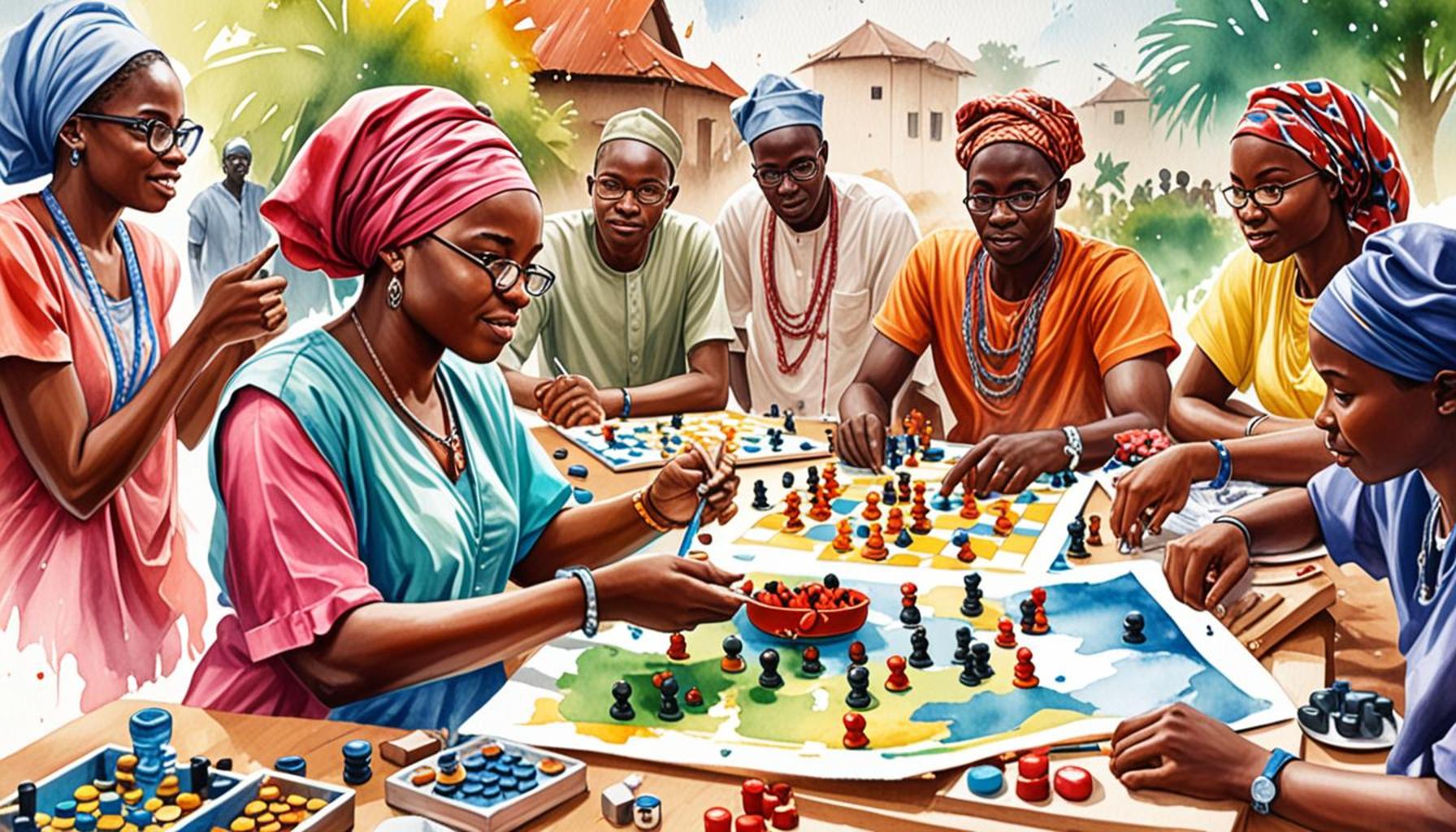
Strategy games have a unique ability to foster a sense of community. Many Nigerian communities have embraced both traditional and modern games such as chess, which has seen a resurgence, especially among youth. Local chess clubs and game nights have become social hubs where individuals from various backgrounds come together, communicate, and develop relationships. This collectively shared experience helps dismantle barriers of ethnicity, religion, and socioeconomic status, creating a more cohesive society.
Awareness Raising
Moreover, strategy games serve as a potent medium for raising awareness on pressing social issues. For instance, games like “Naira and Dollars,” which simulates economic decisions, can spark conversations about wealth distribution, financial literacy, and the effects of corruption in Nigeria. Engaging players in dialogue around these topics not only educates but also empowers individuals to advocate for change within their communities.
Another notable aspect is the rise of locally inspired board games that incorporate Nigerian culture and history. These games resonate deeply with players, as they reflect familiar experiences and narratives. In addition to board games, the esports scene in Nigeria is thriving, hosting tournaments that bring together participants from various regions to compete and collaborate. These esports events not only showcase talent but also serve as a platform for networking, encouraging teamwork among players from diverse backgrounds.
As Nigeria increasingly embraces technological advancements, there lies a significant opportunity to utilize digital platforms for fostering inclusion among young people. Online strategy games can allow players to connect globally while maintaining local cultural relevance. Ultimately, embracing strategy games in their myriad forms has the potential to reshape perspectives, challenge stereotypes, and enrich Nigeria’s societal fabric, creating a future where inclusivity is at the forefront.
RECOMMENDED: Check out this similar article
Unlocking Potential through Engagement and Connection
Across Nigeria, the rise of strategy games is capturing the attention of individuals and communities seeking new ways to drive social inclusion. These games, which demand both skill and creativity, provide participants with the opportunity to engage meaningfully with one another, enriching their lives beyond the confines of traditional entertainment. With the nation’s diverse landscape encompassing over 250 ethnic groups, strategy games play an intriguing role in fostering connections that transcend cultural divides.
Cognitive Engagement and Personal Growth
One of the notable aspects of strategy games is their ability to engage players cognitively, thereby catalyzing personal growth. Participation in games such as “Chess” and “Oware” requires players to develop and employ a range of cognitive skills. These include:
- Analytical Thinking: Players must assess various scenarios and predict opponents’ moves, refining their analytical abilities.
- Strategic Planning: Players learn to forward-think, which translates to improved planning skills in everyday life.
- Resilience: The ability to recover from defeat and learn from mistakes is a critical aspect of both gaming and personal development.
As participants cultivate these skills, they not only enhance their gaming experience but also build a toolkit that is invaluable in personal and professional spheres. This cognitive engagement offers a path to empowerment and effective problem-solving in a rapidly changing economic landscape.
Creating Safe Spaces for Dialogue
Strategy games also carve out engaging environments for open dialogue within communities. Through board game nights and local tournaments, these games facilitate conversations that would be challenging to initiate in other contexts. For example, gatherings organized by community centers often see players discussing topics such as:
- Education: How strategic thinking can influence academic success.
- Health Awareness: Utilizing games as a platform to discuss health issues prevalent in the community.
- Community Development: Exploring ways to improve local resources and services through collective strategies.
Such discussions help individuals feel valued and heard while simultaneously fostering a learning atmosphere that nurtures collaboration. In this way, strategy games effectively build a bridge between generations, encouraging mentorship and knowledge sharing among players.
Bridging Differences through Inclusive Gameplay
The essence of social inclusion lies in the ability to connect individuals from varying backgrounds, and strategy games are uniquely positioned to make this happen. By integrating local themes into gameplay, many Nigerian game developers have created games that reflect societal issues, traditions, and narratives, engaging players on a profound level. Additionally, the growing popularity of esports offers a dynamic platform for collaboration. Local competitions host a mix of participants from different regions, acting as melting pots for diverse ideas and perspectives, ultimately paving the way for national unity.
As Nigeria faces the challenges of a diverse society, the adaptability and allure of strategy games continue to illuminate pathways toward inclusion, marking a significant shift in the way individuals relate to one another across cultural and social strata.
| Advantage | Impact |
|---|---|
| Promotes Collaboration | Strategy games foster teamwork among players, breaking down social barriers and building inclusive relationships across diverse communities in Nigeria. |
| Enhances Critical Thinking | Engaging with strategy games improves problem-solving skills, allowing individuals to tackle real-life challenges with innovative solutions cultivated through gameplay. |
The potential of strategy games to create an environment conducive to social inclusion cannot be overstated. These games are more than mere entertainment; they serve as a platform for players from various backgrounds to come together, share experiences, and develop a sense of community. Furthermore, as players engage in thoughtful discussions about tactics and strategies, they are inadvertently building essential communication skills and trust.Research indicates that participants in multiplayer strategy games often report an increase in self-esteem and confidence. This newfound empowerment can be a significant factor in elevating the prospects of individuals who might otherwise feel marginalized in the society. By making decisions within the context of a game, players learn to think critically and strategize effectively, qualities that are invaluable in real-world scenarios.Moreover, the integration of local cultural themes into these games can reinforce cultural pride while promoting a shared societal identity. As individuals engage with their heritage through the lens of gameplay, they cultivate a mutual appreciation for one another’s backgrounds, further enhancing the spirit of inclusion and unity.
YOU MAY ALSO LIKE: Read read another article
Empowering Youth Through Skill Development and Innovation
The transformative power of strategy games extends beyond recreation; they are becoming essential tools for skill development and nurturing burgeoning talent among Nigerian youth. By creating environments where young players can practice their cognitive skills and strategic thinking, these games serve as a catalyst for innovation. Organizations across the country are leveraging this potential by integrating strategy games into their educational and vocational training programs.
Fostering Entrepreneurial Mindsets
Strategy games inherently cultivate a sense of competition and the need for resource management, both of which are critical for entrepreneurial success. For instance, games like “Catan,” where players must build settlements while managing resources, encourage players to think creatively about how to maximize returns on investments. Such mental frameworks are pivotal for young Nigerians looking to enter an increasingly competitive job market.
Moreover, workshops and community centers are beginning to incorporate strategy games into their curriculum, teaching not only the mechanics of gameplay but also business concepts that can be applied outside of the game. This unique blend of education equips youth with the tools needed to navigate the nuances of entrepreneurship, ultimately leading to job creation and economic empowerment.
Building Resilient Communities Through Team-Based Strategies
The collaborative nature of strategy games promotes teamwork, which is vital in overcoming social challenges within Nigerian communities. In settings requiring collaboration to achieve strategic goals, players develop essential skills like communication and conflict resolution. Participating in team-based activities, such as local chess tournaments or community “Oware” matches, encourages players to work together, fostering camaraderie and unity.
These events create an increased sense of belonging as players brainstorm and execute strategies collectively. By working through disagreements and celebrating victories together, participants learn to trust one another, which is crucial for building stronger, more resilient communities. This shared experience acts as a unifying thread that can weave together people from different backgrounds, fostering a greater sense of community identity.
Harnessing Digital Platforms for Wider Reach
The advent of technology has further propelled the use of strategy games as instruments for social inclusion. Online platforms and mobile applications now allow widespread access to strategy games, transcending geographic limitations that have often divided communities. Games such as “Ludo Star” and “Chess.com” have garnered immense popularity, enabling players from various regions to compete and collaborate in real-time.
Moreover, the rise of online gaming communities provides a safe space where players can interact, share experiences, and learn from one another without the barriers present in physical environments. This digital inclusivity creates opportunities for underrepresented voices in Nigeria to engage actively in discussions surrounding issues that matter to them, thus encouraging a more diverse set of perspectives.
Additionally, initiatives like the Nigerian Esports Federation are harnessing this trend, organizing tournaments that bring together talented gamers from diverse backgrounds. Beyond just competition, these events often feature discussions and workshops aimed at promoting the broader social impact of gaming, shining a light on the potential of strategy games to forge connections that can eventually reshape societal perceptions.
In this age of technology, the role of strategy games as a tool for social inclusion is more relevant than ever. By addressing issues of accessibility, community engagement, and personal development, these games are not only changing lives but also offering new perspectives to individuals from all walks of life in Nigeria.
CHECK OUT: Click here to explore more
Conclusion: Unlocking Potential through Strategy Games
As the landscape of Nigeria continues to evolve, strategy games are emerging as powerful instruments that drive social inclusion, foster personal growth, and reshape perspectives across diverse communities. These games act as a bridge, connecting young individuals from varying socioeconomic backgrounds, and enabling them to share their insights and build relationships, reinforcing a sense of community in the process.
Beyond simply being a form of entertainment, strategy games cultivate essential life skills such as critical thinking, problem-solving, and collaboration. The integration of these games into educational and vocational settings is indicative of a broader movement striving to equip Nigeria’s youth with the tools they need to thrive in an increasingly complex world. By empowering players to think strategically about resources and teamwork, we are, in essence, laying the foundation for future innovators and entrepreneurs.
Moreover, the rise of digital platforms has further democratized access to these games, breaking down barriers and providing countless young Nigerians with more opportunities to engage, learn, and develop their talents in safe and inclusive environments. As initiatives like the Nigerian Esports Federation shine a light on this potential, they inspire a grassroots movement within communities, unlocking pathways to economic empowerment and positive social change.
In conclusion, acknowledging the importance of strategy games goes beyond mere recognition; it demands a commitment to cultivating an inclusive culture that values diversity and leverages the talents of all. By harnessing this potential, Nigerians can heartily embrace a future where every individual—regardless of their background—has a fair chance to contribute meaningfully to society and cultivate lasting connections through the power of play.