
The Influence of Memory Games on the Prevention of Cognitive Diseases in Elderly Nigerians
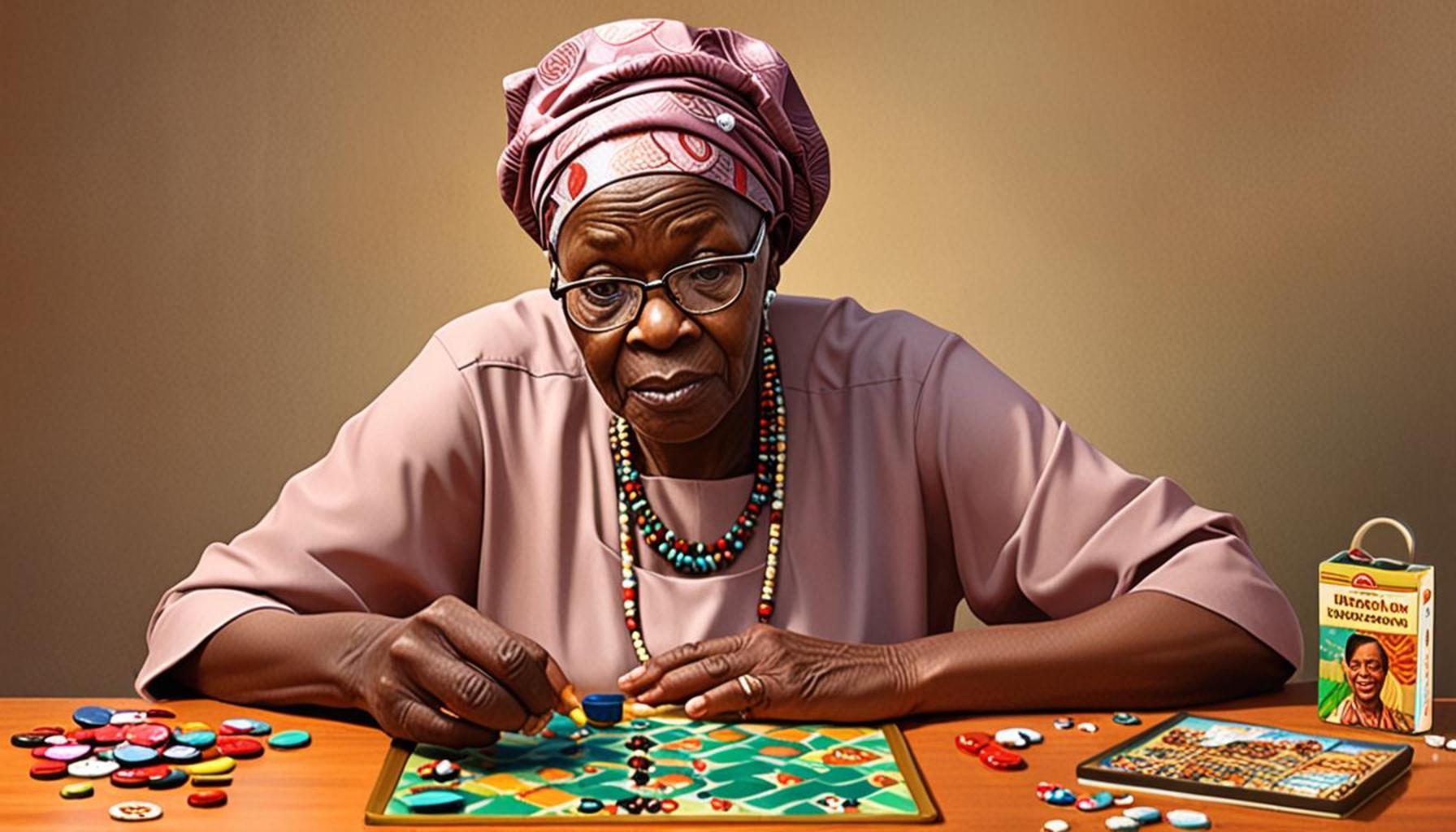
The Benefits and Potential of Memory Games for the Elderly
As life expectancy continues to increase globally, there is a heightened focus on the importance of maintaining health and cognitive function in the elderly population. In Nigeria, the growing concerns surrounding cognitive diseases such as dementia and Alzheimer’s have led to a pressing need for preventive measures. Enter memory games: engaging tools that provide cognitive stimulation and can help in safeguarding mental health as individuals age.
Memory games are not merely entertaining; they present significant advantages for cognitive health. For instance, they are designed to enhance brain activity, which can lead to improved recall abilities. This aspect is essential for older adults, as it helps them manage daily tasks such as remembering names, appointments, and personal belongings. Regular engagement in these games has been shown to strengthen neural connections, leading to improved cognitive performance over time.
Why Memory Games Matter
- Improved Recall: Navigating through memory games enables players to actively exercise their memory skills. For instance, using card matching games can help elderly individuals sharpen their recall abilities by recalling locations and pairs.
- Enhanced Cognitive Function: Many memory games stimulate multiple areas of the brain, which promotes sharper thinking. Puzzles, riddles, and brain teasers encourage analytical thinking and problem-solving, vital skills as one ages.
- Social Interaction: A significant aspect of mental health is social engagement. Games that promote group participation, such as Ludo or draft, not only provide cognitive benefits but also serve as social catalysts. This is critical in a society where loneliness and isolation can have dire effects on mental well-being.
In a Nigerian context, there are rich opportunities to integrate traditional and modern memory games. Familiar cultural themes and concepts can be woven into local versions of classic games. For example, using Nigerian proverbs within memory card games can invigorate cultural heritage, making the experience more relatable for the elderly population. Initiatives such as community game nights could serve as both entertainment and effective programs for cognitive health, demonstrating the societal value of such traditions.
Exploring the domain of memory games illuminates not only a pathway to potentially preventing cognitive decline but also highlights the significance of mental resilience among the elderly. This discussion raises critical questions concerning accessibility to these games, the adaptability of various formats for different age groups, and their broader impact on community health. Fostering awareness around these issues is essential in creating supportive environments conducive to cognitive health across Nigeria.
CHECK OUT: Click here to explore more

Memory Games as a Tool for Cognitive Health in Nigerian Elders
The significance of memory games in enhancing cognitive health among elderly Nigerians cannot be overstated. Engaging in these games offers a fun and interactive way for seniors to maintain or even improve their mental faculties. As Nigeria grapples with a rising elderly population, the importance of these cognitive-enhancing activities grows proportionally. Memory games not only serve as entertainment, but they also pave the way for healthier aging processes by providing necessary mental exercise.
One of the foremost attributes of memory games is their ability to deliver stimulating mental workouts. Studies have demonstrated that activities designed to challenge the brain can effectively maintain cognitive function, thereby reducing the risk of cognitive diseases such as dementia and Alzheimer’s. These games require players to recall information, thereby strengthening neural pathways and improving overall brain health. For instance, playing memory card games that rely on remembering the positions of different items can significantly boost recall capabilities amidst the challenges of aging.
Moreover, as seniors engage in these games, they experience enhanced attention spans and improved focus. Techniques that promote selective attention—such as identifying patterns or deciphering clues—are vital in keeping elderly individuals mentally agile. The growing body of research indicates that consistent participation in mentally stimulating activities like memory games can lead to a remarkable correlation with improved cognitive function. This connection raises the question: how can the elderly in Nigeria harness the full potential of memory games to fend off cognitive decline?
Cognitive Benefits of Memory Games
- Strengthened Memory Skills: Regular participation in memory games aids in consolidating memories and makes it easier for seniors to retrieve information when necessary. This function is particularly beneficial for navigating daily life, from remembering family members to recalling important tasks.
- Improved Social Connections: Games that promote teamwork, such as group puzzles or trivia contests, foster social interaction. This aspect is crucial in Nigeria’s tightly-knit communities, where engaging with others can significantly enhance mental well-being.
- Accessibility and Cultural Relevance: Memory games can be localized to reflect Nigerian culture, incorporating traditional stories or folklore into their mechanics. This makes the activities more relatable and enjoyable for the elderly, fostering greater participation.
While the potential benefits are remarkable, it is essential to consider accessibility and motivation for senior citizens when promoting memory games. In many Nigerian homes, resources may be limited, making it challenging for some elderly individuals to engage regularly with these cognitive activities. Community-based initiatives that provide access to memory games not only enhance individual mental health but also bolster community cohesion. Such approaches can create an enriching social environment that greatly aids in improving quality of life.
In summary, memory games emerge as a promising avenue for potentially reducing the incidence of cognitive diseases among Nigeria’s elderly population. Their role in bolstering cognitive function, improving social interactions, and promoting cultural ties makes them a valuable tool in the fight against cognitive decline. Continued research into their effectiveness and accessibility will be vital in optimizing these benefits and fostering a supportive environment for elderly Nigerians.
| Aspect | Influence |
|---|---|
| Cognitive Stimulation | Memory games provide mental challenges that can improve synaptic connections and enhance overall cognitive function. |
| Social Interaction | Engaging in memory games often involves group play, which can help reduce feelings of isolation and loneliness among elderly individuals, contributing to better mental health. |
| Adaptability to Technology | Memory games available on digital platforms encourage seniors to adapt to new technologies, promoting lifelong learning and making them feel more connected to the evolving world around them. |
The potential influence of memory games on the prevention of cognitive diseases in elderly Nigerians is increasingly important. These engaging activities not only enhance cognitive stimulation but also foster social interaction. The community aspect of playing these games can significantly alleviate feelings of loneliness, offering not just enjoyment but also critical mental health benefits. Furthermore, as technology becomes more integral to everyday life, memory games on digital platforms assist seniors in staying relevant amidst rapidly changing environments. Regular participation in such cognitive exercises may prove invaluable in the fight against deterioration associated with diseases like Alzheimer’s or dementia, making it crucial for individuals and caregivers to explore these options further.
SEE ALSO: Click here to read another article
Integrating Memory Games into Nigerian Elderly Care
As the need for effective strategies to combat cognitive decline intensifies, the integration of memory games into daily routines for elderly Nigerians has become increasingly relevant. Health professionals and caregivers have an essential role in creating an environment where memory games can thrive as a part of structured activities. By doing so, they enable seniors to reap the cognitive benefits these games offer while fostering a sense of community and belonging.
Recent studies emphasize that routine engagement with memory games can result in substantial improvements in cognitive health. For instance, a Nigerian study indicated that elderly individuals participating in weekly memory game sessions demonstrated increased retention skills compared to those who did not engage in such activities. This suggests that systematic implementation of memory games could counteract the onset of diseases like Alzheimer’s by strengthening cognitive resilience in seniors.
Cultural integration is another pivotal factor. In Nigeria, with its myriad of ethnic backgrounds and rich oral traditions, memory games can be customized to reflect local stories, proverbs, and encounters. This not only makes the games culturally appropriate but also enhances relatability and enjoyment for participants. For example, games involving the memorization of local folklore or history can instill a deep sense of pride while simultaneously acting as a mental stimulus.
Community Initiatives and Support Systems
Community-driven initiatives are crucial in promoting the accessibility of memory games. Organizations such as local non-profits can collaborate with healthcare providers to launch programs aimed at organizational support for memory game activities. Community centers, libraries, and healthcare facilities could host regular memory game nights, blending social interaction with mental stimulation. Such initiatives not only strengthen community bonds but also engage seniors in life-enriching activities that are beneficial for their cognitive health.
- Digital Access: The proliferation of smartphones and tablets can serve as a bridge to technology-based memory games. Mobile applications that focus on brain training could be tailored for elderly users, featuring local dialects and familiar imagery, thus aligning with their experiences and enhancing their accessibility.
- Peer Mentorship: Encouraging younger family members or volunteers to mentor seniors through memory games can foster intergenerational connections. This approach not only enhances cognitive engagement but also builds emotional bonds, which are crucial in combating feelings of isolation and loneliness often felt by the elderly.
- Healthcare Collaborations: Healthcare providers can partner with mental health specialists to design tailored cognitive activities, ultimately reinforcing the benefits of memory games as a preventive measure against cognitive diseases.
The long-term societal implications of from memory games reflect a broader understanding of aging in a Nigerian context. By embedding these games in the societal fabric, there is potential for significant reductions in cognitive diseases among the elderly population. Moreover, as families and communities unite to embrace these interventions, the lessons learned and the cognitive skills retained can pave the way for a vibrant future, where aging is not synonymous with cognitive decline but rather an opportunity for growth and connection.
Memory games thus emerge as a powerful yet accessible tool, offering a promising avenue toward enhancing cognitive health among elderly Nigerians. As awareness increases and resources become readily available, memory games can serve as a cornerstone in the fight against cognitive diseases, providing the elderly with the means to engage actively with their mental health while enjoying the support of their communities.
YOU MAY ALSO LIKE: Read read another article
Conclusion: Empowering Elderly Nigerians Through Memory Games
In summary, the integration of memory games into the lives of elderly Nigerians presents a pivotal opportunity for enhancing cognitive health and preventing cognitive diseases such as Alzheimer’s. As outlined throughout this article, regular engagement with these games not only strengthens cognitive resilience but also fosters social interaction, thereby combating feelings of isolation and loneliness within this demographic. The culturally relevant adaptations of memory games rooted in Nigeria’s rich traditions ensure a relatable and enjoyable experience for participants, making cognitive stimulation both accessible and engaging.
Moreover, community initiatives are essential in promoting the accessibility and adoption of memory games. By leveraging local resources, family connections, and healthcare collaborations, Nigerians can create an environment that values cognitive health as part of a holistic approach to aging. Volunteers, younger family members, and health professionals can play a crucial role in facilitating these programs, enriching the lives of the elderly while interweaving intergenerational bonds.
As Nigeria continues to face challenges associated with an aging population, there is a growing need for proactive strategies that prioritize well-being. The beneficial influence of memory games should be embraced as a resourceful avenue for preventative care. Emphasizing the importance of mental health alongside physical health not only uplifts the elderly but also promotes a society that cherishes every stage of life. Thus, the call to action for families, communities, and health organizations is clear: prioritize and initiate memory games to empower elderly Nigerians, ensuring their golden years are filled with rich connections and cognitive vitality.