
Mind Games and Mental Health: The Relationship Between Puzzles and Stress Reduction in Nigerian Adults
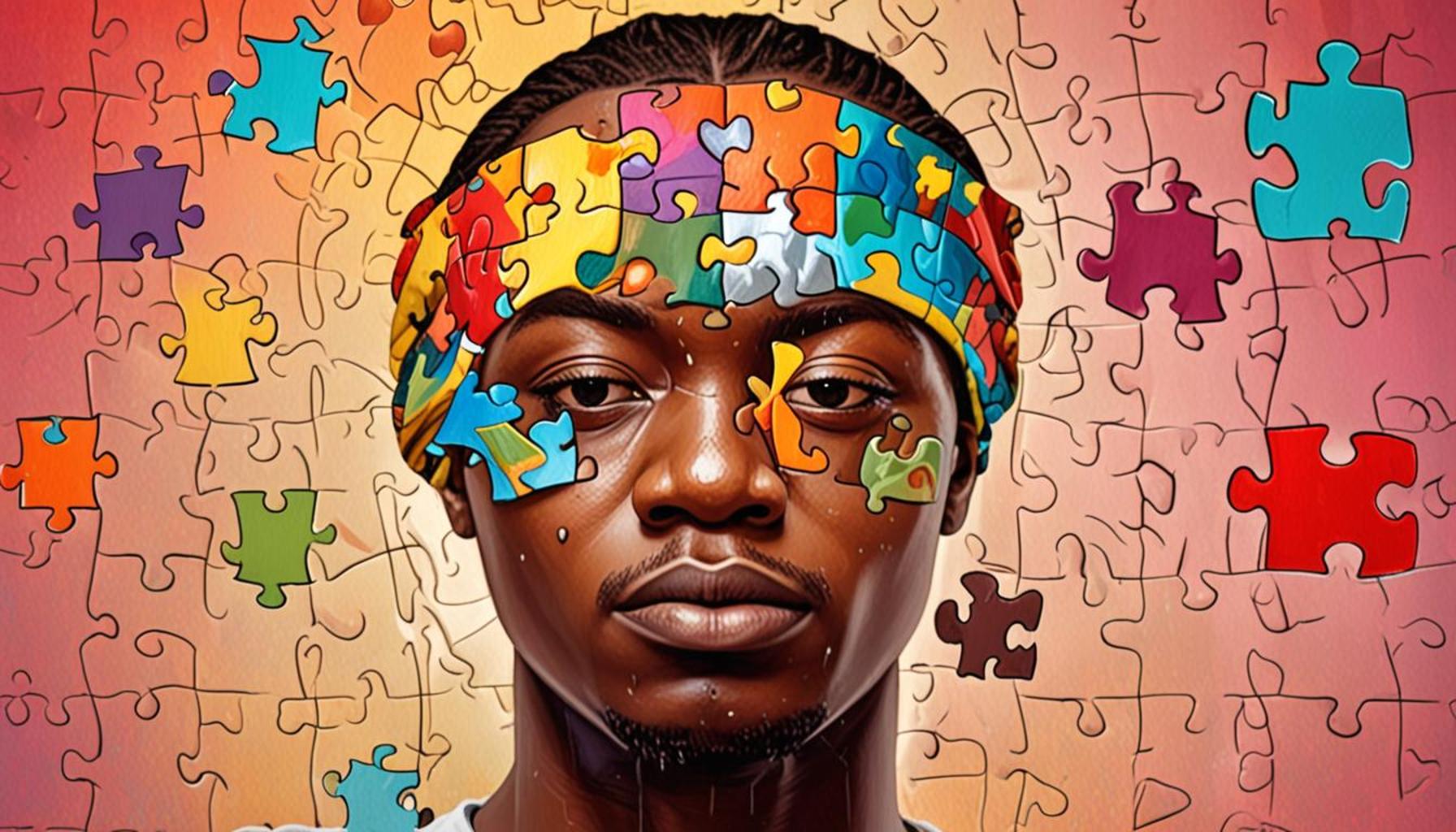
The Growing Importance of Mind Games
In contemporary Nigeria, where the pressures of daily life can often lead to heightened levels of stress and anxiety, innovative methods for maintaining mental well-being are increasingly essential. One avenue gaining popularity is the engagement with mind games, which encompasses a wide array of activities including puzzles, brain teasers, and riddles. These seemingly simple games provide not only a source of entertainment but also serve as a valuable tool for stress reduction and enhancing cognitive health.
Why Mind Games Matter
Research indicates that mind games offer a host of benefits that contribute to overall emotional and mental well-being. Engaging with these activities can lead to:
- Enhanced cognitive function: Regularly tackling puzzles like Sudoku or crosswords can sharpen one’s memory, boost problem-solving skills, and potentially delay the effects of cognitive decline as one ages.
- Mood elevation: The satisfaction that comes from successfully completing a challenging puzzle releases dopamine in the brain, creating feelings of joy and accomplishment. This can be particularly uplifting in stressful times.
- Social connection: Puzzles are often best enjoyed collaboratively. Many Nigerians partake in group activities, such as ludu or ayo, fostering camaraderie and strengthening community ties.
These mind games are not just a pass-time but also an opportunity to create shared experiences that can lighten the weight of everyday worries. Groups coming together to solve puzzles promote teamwork and communication, which are vital in Nigerian culture.
Cultural Context and Accessibility
The cultural landscape in Nigeria further enriches the relevance of mind games. Traditional games like ayo, a board game that requires strategic thinking, and ludu, a beloved racing game, not only entertain but also provide a setting for intergenerational bonding. They express the importance of leisure in traditional Nigerian lifestyles, offering a respite from daily stresses.
With the advent of technology, online platforms have created a world of accessibility, allowing Nigerian adults to explore a myriad of puzzles tailored to various skill levels and interests. Websites and apps featuring brain teasers, memory challenges, and logic games have made pursuing cognitive challenges more convenient than ever.

Incorporating Mind Games into Everyday Life
To realize the full benefits of these engaging activities, it is beneficial for individuals to strategically incorporate them into their daily routines. For instance, setting aside just 20 minutes a day to solve a puzzle can lead to noticeable improvements in mood and stress levels. In a bustling city like Lagos, where the pace of life can be overwhelming, a brief mental getaway through puzzles can provide much-needed clarity and relaxation.
In conclusion, as Nigerian adults navigate an increasingly stressful world, mind games offer a unique solution to bolster mental health. By engaging with these puzzles—with their myriad cognitive and social benefits—individuals can combat stress, enhance their mood, and strengthen connections with others. Looking forward, this exploration into the psychological effects of mind games may reveal deeper insights into creating a more balanced, fulfilling life.
ADDITIONAL INSIGHTS: Expand your understanding here
The Benefits of Mind Games for Mental Health
The relationship between mind games and mental health is a growing area of interest, particularly in Nigeria, where the balancing act of professional demands and personal life can create significant stress. Understanding how engaging in puzzles and other brain challenges can positively influence mental well-being is essential for Nigerian adults seeking relief from daily stressors.
Boosting Cognitive Resilience
Engaging in mind games can serve as a form of mental exercise, leading to numerous cognitive benefits. Studies have shown that regular participation in puzzles can greatly enhance problem-solving abilities and improve memory. In a nation brimming with youthful energy and ambition, sharpening these skills can provide a competitive edge in both professional and academic pursuits.
- Memory retention: Activities such as crosswords and Sudoku can help reinforce memory pathways, helping individuals recall information more effectively.
- Critical thinking: Challenges that require strategic planning or logical reasoning cultivate a stronger capacity for critical analysis, which is invaluable in both personal and work-related scenarios.
- Delay in cognitive decline: Engaging with complex puzzles is linked to delaying the onset of cognitive decline, promoting better brain health for older individuals.
These benefits demonstrate how mind games foster cognitive resilience among Nigerian adults, encouraging a culture of lifelong learning and mental agility. Recognizing that these mental exercises produce not only entertainment but also substantial cognitive development is imperative in easing the stress that often accompanies modern life.
Impact on Emotional Well-being
The emotional rewards associated with completing mind games extend far beyond the act of solving a puzzle. When individuals encounter challenges and successfully overcome them, it triggers the release of dopamine, the brain’s feel-good neurotransmitter. This chemical response can lead to an uplift in mood and impart a sense of accomplishment—feelings that many people seek, especially during periods of turmoil or high pressure.
In the bustling cities of Nigeria, where the daily grind can feel relentless, finding moments of joy through mind games can provide a much-needed mental escape. Moreover, the act of sharing these experiences with friends and family further enriches emotional connections, serving as a reminder that joy can stem from collaboration and community-oriented activities.
As the connection between puzzles and stress reduction becomes increasingly evident, Nigerian adults are encouraged to recognize the profound impact these simple yet stimulating activities can have on their mental health. Incorporating them into daily life not only aids in building cognitive skills but can also foster a more positive and resilient emotional state, making mind games an essential aspect of mental well-being in Nigeria.
Unpacking the Benefits of Mind Games on Mental Well-Being
As we continue to explore the intricate relationship between puzzles and mental health, it’s crucial to delve into the specific benefits that these mind games offer, particularly to Nigerian adults. Engaging in activities such as crossword puzzles, Sudoku, and brain teasers serves not only as a leisure pursuit but also as a transformative experience positively impacting stress levels and overall mental well-being.
Cognitive Stimulation and Enhanced Problem-Solving Skills
Mind games challenge the brain, promoting cognitive stimulation that enhances memory retention and sharpens critical thinking skills. For Nigerian adults facing the pressures of daily life—whether due to work demands, family responsibilities, or societal expectations—these puzzles can provide a much-needed escape and serve as a tool to improve mental agility. Moreover, as participants navigate through various levels of complexity in puzzles, they inadvertently learn to approach challenges more flexibly in real-life situations. Over time, this practice could translate into stronger problem-solving skills, which can significantly alleviate stress when handling life’s uncertainties.
Social Engagement and Community Building
In Nigeria, where community ties are profound, engaging in group puzzle activities can foster a sense of belonging. Whether through informal gatherings or organized puzzle competitions, sharing the experience of solving puzzles encourages interaction and creates a supportive environment. This social engagement is invaluable for stress reduction, as it allows individuals to form connections, share triumphs, and provide encouragement to one another. Additionally, participating in such communal activities helps combat isolation, which is a common contributor to mental health challenges. By collectively striving for solutions, individuals not only enhance their cognitive skills but also strengthen their social networks, creating added layers of support for managing stress.
| Advantage | Description |
|---|---|
| Cognitive Stimulation | Engagement in puzzles boosts memory and enhances problem-solving capabilities. |
| Social Connectivity | Group puzzle-solving fosters community ties and reduces isolation, crucial for mental health. |
As we analyze the benefits of mind games, it’s imperative to recognize the distinctive cultural context in Nigeria, where both individual and collective efforts can significantly contribute to improving mental health through accessible and enjoyable activities. The relationship between puzzles and stress reduction is not merely academic; it has practical implications for everyday life in Nigeria.
RECOMMENDED: Check out this similar article
Mind Games as a Tool for Stress Relief
In the context of mental health, mind games such as puzzles serve as effective tools for stress relief among Nigerian adults. The demands of urban life, coupled with economic challenges and societal expectations, can often precipitate heightened levels of stress and anxiety. Engaging in mind games offers a practical outlet, creating a mental diversion that allows individuals to temporarily escape their worries and channel their focus into a different domain.
The Therapeutic Effects of Puzzles
Much like meditation, immersing oneself in puzzles can induce a sense of calm and help reduce stress. Studies highlight that engaging in challenging yet enjoyable brain teasers can lead to a decrease in cortisol levels, the hormone primarily responsible for stress. This organic response to problem-solving fosters a meditative state, encouraging mental clarity and emotional relief. For instance, the popularity of local brain-training apps in Nigeria is indicative of a growing awareness of mental health. These platforms often feature a variety of puzzles tailored specifically to improve mental resilience and alleviate stress.
Community Engagement Through Mind Games
The social aspect of mind games cannot be overlooked. In Nigerian culture, communal activities are greatly valued, and sharing the experience of solving puzzles can enhance social bonds. Group games, both online and offline, allow for interaction and collaboration, transforming a solitary activity into a shared experience. For example, local trivia nights or puzzle challenges among friends and family not only foster camaraderie but also create a support network that helps individuals cope with stress. As participants collectively solve challenges, they build a sense of community and belonging, which is vital for emotional health.
Mind Games and Routine Flexibility
Integrating mind games into daily routines can also contribute to improved mental health by promoting flexibility in thinking. This flexibility allows Nigerian adults to adapt more easily to changing circumstances, whether in the workplace or at home. Brain games can serve as brief yet impactful interludes in a hectic schedule, offering a moment to reset one’s focus. Taking just a few minutes to engage in activities like word searches or number puzzles can refresh the mind, encouraging a more productive and less stressed approach towards tasks ahead.
- Accessibility: Many mind games are freely available online or within mobile applications, making them an affordable option for stress relief.
- Variety: The range of puzzles available caters to diverse interests, from mathematical challenges to visual brain teasers, allowing individuals to select mind games that resonate with them personally.
- Measurable Progress: Many brain games track users’ progress, providing tangible evidence of improvement that can boost self-esteem and motivate continued engagement.
As Nigerian adults navigate the complexities of modern life, recognizing the potential of mind games as a method for stress management and emotional well-being is vital. By embracing these innovative and enjoyable activities, individuals can empower themselves to not only confront daily challenges but also enhance their overall mental health. The ripple effects of such engagement may contribute to a culture of greater awareness surrounding mental health, opening up avenues for further exploration and understanding within Nigerian society.
ADDITIONAL INSIGHTS: Expand your understanding here
Conclusion
In conclusion, the interplay between mind games and mental health underscores a transformative approach to managing stress among Nigerian adults. The integration of puzzles and other cognitive challenges into daily routines not only fosters relaxation but also cultivates a resilient mindset necessary for navigating the pressures of contemporary life. As demonstrated, these activities can significantly lower cortisol levels, promoting emotional relief and mental clarity, which are crucial for maintaining overall well-being.
Furthermore, the communal aspects of playing puzzles enhance social bonds, creating enriching environments where individuals can find support and camaraderie. By engaging in shared experiences, participants can collectively combat feelings of isolation and stress, thereby reinforcing their emotional health. As Nigeria increasingly embraces digital platforms, the accessibility of a wide variety of mind games has empowered individuals to choose activities that resonate with them and directly address their unique mental health needs.
As we continue to explore the relationship between mind games and mental health, it becomes imperative to advocate for broader awareness and acceptance of mental health strategies within society. Encouraging both individual engagement and community involvement in puzzles can transform how Nigerians approach stress management. Ultimately, fostering a culture that values mental health, coupled with enjoyable cognitive challenges, can pave the way for healthier, happier lives for adults navigating the complexities of modern-day Nigeria.