Cognitive Challenges in Groups: The Role of Collaborative Games in Improving Social Skills and Conflict Resolution among Youth in Nigeria

Exploring Social Dynamics through Play
The dynamics of youth interactions in Nigeria are frequently shaped by various cognitive challenges. These challenges can hinder effective communication, teamwork, and conflict resolution. In a nation where youth make up a significant portion of the population, enhancing these skills is not just beneficial—it is essential. Many Nigerian youth encounter obstacles like unemployment, societal expectations, and limited access to resources, making the need for constructive engagement through play increasingly vital. Collaborative games have emerged as a powerful tool to address these issues, providing a platform for youth to enhance their social skills while navigating group dynamics.
Why Collaborative Games Matter
Collaborative games are designed to promote teamwork and cooperation, which can lead to transformative changes in youth interactions. Here are some key benefits:
- Enhanced Communication: In collaborative settings, players learn to express ideas clearly and listen actively to others. For example, in games like “Trust Fall,” participants must communicate their intentions and build trust, which fosters better interpersonal relationships.
- Conflict Resolution: Engaging in cooperative scenarios helps youth develop strategies for resolving disputes. Through activities that require negotiation, like role-playing games, participants can practice finding common ground and understanding differing perspectives, which is crucial in multicultural Nigeria.
- Social Skills Development: Players build friendships and learn to work with diverse groups. Settings that include participants from various backgrounds help cultivate an atmosphere of inclusivity, making it easier for youth to navigate social landscapes beyond the game.
In Nigeria, where youth populations are rapidly growing—accounting for over 60% of the nation’s demographic—the importance of fostering these skills cannot be overstated. As young people face challenges such as unemployment and societal pressures, equipping them with social competencies becomes critical for their future success. Programs and initiatives that incorporate collaborative games can serve as practical interventions to prepare the youth for real-world challenges.
Engaging Youth through Play
Communities can engage youth in a constructive manner by utilizing collaborative games as educational tools. These activities provide an avenue for personal development, allowing individuals to confront cognitive challenges effectively. For instance, local organizations might host events where youth participate in team-building exercises or problem-solving games, which facilitate community bonding while also honing critical skills. The benefits extend beyond the immediate gameplay, as participants often carry these newly acquired social skills into their daily lives, impacting their interactions in schools, workplaces, and local communities.
Ultimately, embracing the role of games in learning can lead to more resilient and socially adept young individuals. By investing in collaborative play, we not only foster a more engaged youth population but also lay the groundwork for a more harmonious society, where understanding and cooperation become foundational values. The journey towards growth and empowerment through play is one that promises to yield profound benefits for Nigeria’s youth and, indeed, the future of the nation itself.
YOU MAY ALSO LIKE: Read read another article
Building Bridges through Collaborative Play
The significance of collaborative games in addressing cognitive challenges among Nigerian youth cannot be underscored enough. These games are not merely leisure activities; they serve as structured environments where young individuals can practice essential social skills, learn conflict resolution, and develop emotional intelligence. In a country characterized by a rich tapestry of cultures and languages, the ability to communicate and empathize with others is invaluable.
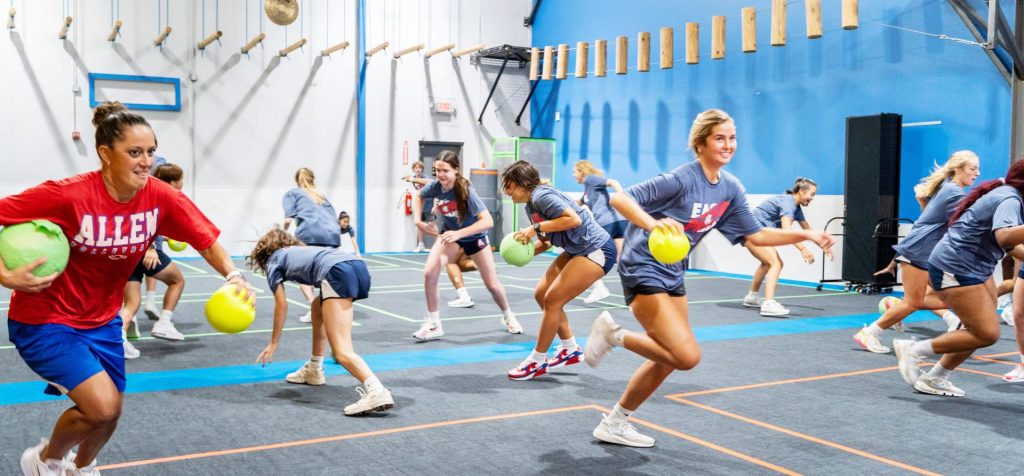
One of the foremost benefits of engaging in collaborative games is the creation of opportunities for interpersonal communication. Take, for instance, the popular game of “Capture the Flag,” where teams must devise strategies to outsmart one another. Effective communication is vital in coordinating movements and fostering teamwork. As youth navigate these scenarios, they learn to articulate their thoughts and ideas clearly while also practicing active listening—skills that will undoubtedly serve them in school, family, and future workplace settings.
Moreover, conflict is an inevitable part of group interactions. Collaborative games provide a safe space for youth to encounter and manage conflicts constructively. Through activities that require negotiation and compromise, like team-based problem-solving challenges, participants experience firsthand the process of acknowledging differing perspectives. This encourages broader thought patterns and empathy, essential traits for living harmoniously in Nigeria’s diverse society. For example:
- Role-playing exercises: Youth can assume different roles and viewpoints, enabling them to discuss and resolve disagreements from multiple angles.
- Group discussions post-games: Facilitators can encourage participants to reflect on conflicts that arose during the game, exploring how they were addressed or left unresolved.
- Feedback sessions: These allow teams to analyze their collaboration processes and identify specific behaviors that either contributed to or hindered effective communication.
Given the array of pressures faced by Nigerian youth—economic uncertainty, educational challenges, and cultural expectations—the need for effective social competencies grows ever more pressing. Collaborative games can be integrated into school curricula, youth organizations, and community initiatives as a way to provide holistic development. This approach not only cultivates essential life skills but also yields a sense of community and belonging among participants.
By embracing such interactive methods of learning, Nigeria can harness the energy and potential of its youth to not only overcome cognitive challenges but also to emerge as leaders who understand the importance of dialogue and collaboration. The path through which youth navigate their social interactions—filled with both challenges and victories—can truly define their trajectories and, ultimately, the future of the nation.
| Advantage of Collaborative Games | Description |
|---|---|
| Enhanced Communication Skills | Engaging in collaborative games encourages youth to express thoughts and feelings, fostering open dialogue. |
| Conflict Resolution Abilities | Participants learn to manage differences peacefully, promoting harmony within groups. |
In Nigeria, the youth population faces myriad challenges, particularly in social interactions and conflict management. Collaborative games are increasingly recognized for their role in addressing these cognitive challenges. By immersing themselves in game environments, participants develop essential skills that are vital for navigating real-world scenarios. One significant advantage is the enhancement of communication skills. In these games, participants must articulate thoughts and collaborate effectively, which ultimately builds confidence and shares understanding among peers. Additionally, the focus on conflict resolution within the games allows youth to learn strategies for amicably resolving disputes. These experiences can redefine how conflicts are perceived, shifting from adversarial to cooperative, thereby nurturing a culture of peace. Engaging in these constructive activities equips Nigerian youth with the tools necessary to thrive in their communities and contribute positively to societal development. As the youth learn through play, the ability to foster social skills and resolve conflicts becomes a powerful tool in their arsenal for future interactions.
LEARN MORE: This related article may interest you
Empowering Youth through Strategic Engagement
As Nigeria continues to evolve amidst various socio-economic challenges, the role of collaborative games in empowering youth extends well beyond mere entertainment. These interactive activities cultivate a sense of responsibility and turn the spotlight on the importance of leadership within a group context. Through games that require strategic thinking and teamwork, young individuals not only develop social skills but also learn to take initiative and make decisions—attributes crucial for their development into responsible adults.
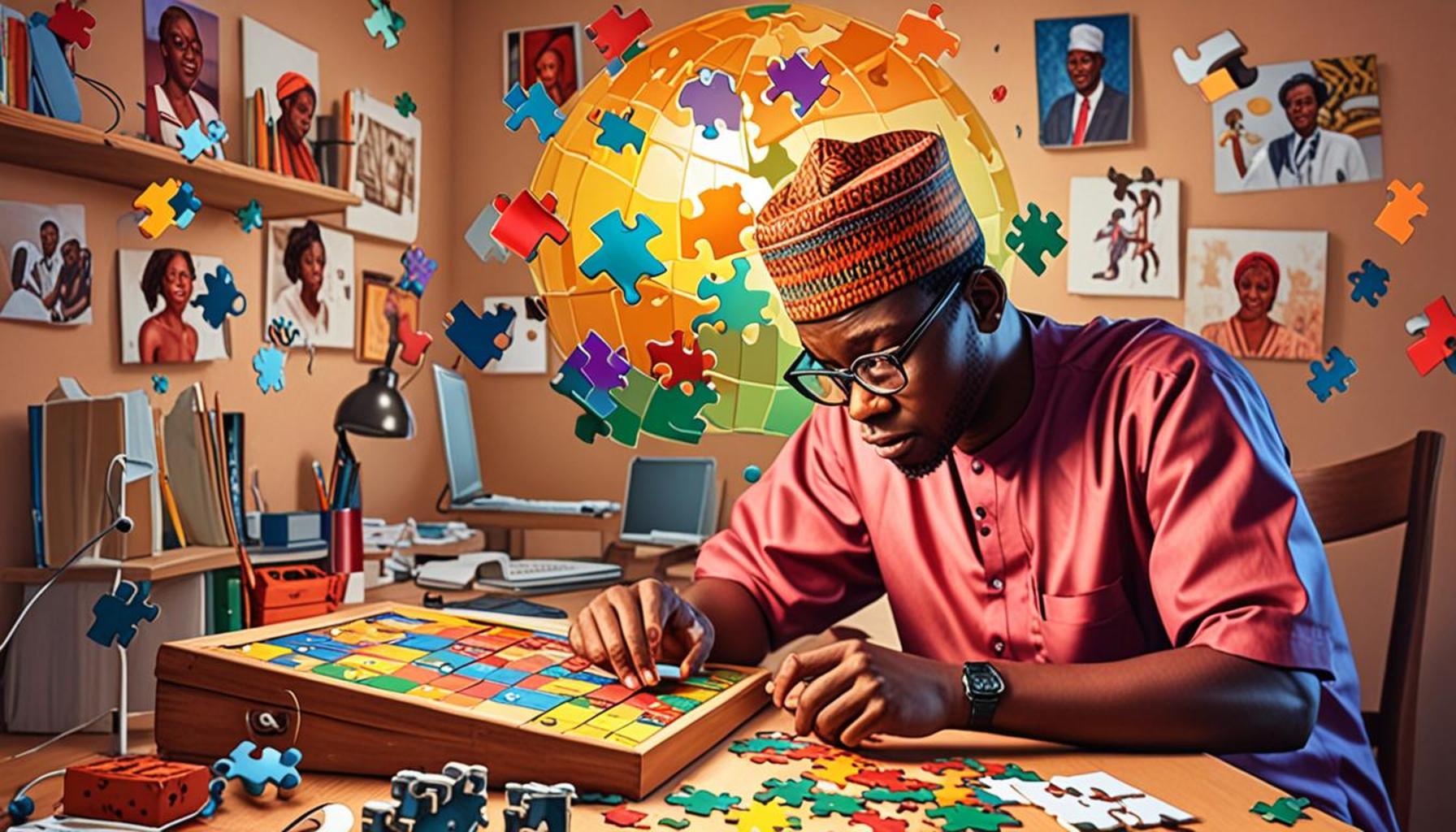
The framework of collaborative play supports the idea of collective problem-solving. For example, in team-based scavenger hunts or puzzle-solving activities, participants must come together to devise a collective strategy that takes into account each member’s strengths and weaknesses. This dynamic ensures that everyone contributes, fostering a sense of teamwork that translates into real-world applications, such as community projects or school group assignments. It promotes the understanding of diverse skill sets, which is paramount in Nigeria’s multifaceted social landscape.
Furthermore, the inclusion of elements that encourage emotional regulation during games can drastically enhance youth’s capacity for conflict resolution. Games that incorporate stress management techniques, such as time challenges where members must remain calm under pressure, can teach participants to recognize their own emotional triggers and respond appropriately rather than react impulsively. These lessons in emotional intelligence are invaluable, especially in a country where misunderstandings and tensions can quickly escalate into larger conflicts.
To enhance the effectiveness of collaborative games, facilitators can integrate culturally relevant themes that resonate with Nigerian youth. For instance, using stories or scenarios from local folklore in game formats can stimulate their interest while also serving as relatable frameworks for discussing conflict resolution. Activities designed around community issues, like environmental challenges or economic empowerment projects, enable youth to see the practical implications of collaboration and reinforced social connections within their peer groups.
Leaders and educators can implement programs based on well-researched methodologies, such as experiential learning, which emphasizes learning through experience and reflection. Such programs could be offered in schools or youth clubs and tailored to the unique characteristics of different localities across Nigeria. By promoting collaborative learning environments, these initiatives pave the way for wrapping youth in a supportive network that values mutual respect and collective growth.
Moreover, data from studies indicate that youth who regularly participate in collaborative gaming experiences exhibit higher levels of confidence and improved interpersonal skills. In a survey conducted among Nigerian youth involved in community support programs, over 70% reported better relationships with peers and a more profound understanding of group dynamics as a result of these engaging experiences. This statistic reveals a significant shift towards more cohesive communities driven by youth who are prepared to face societal challenges through cooperation and dialogue.
It is imperative for Nigeria to recognize and support the incorporation of collaborative games into youth skill development programs. By fostering environments that prioritize teamwork, communication, and empathy, communities can create a fertile ground where the next generation of leaders is equipped not only to tackle cognitive challenges but also to drive positive change throughout the nation.
CHECK OUT: Click here to explore more
Conclusion: Harnessing the Power of Collaborative Games for Youth Development
The significance of collaborative games in addressing cognitive challenges within Nigerian youth cannot be overstated. As explored throughout this article, these engaging activities serve as a vital conduit for enhancing social skills and fostering effective conflict resolution. By immersing young individuals in collaborative environments, they are not only encouraged to work together towards common goals but are also empowered to navigate the complexities of interpersonal relationships in a dynamic society.
Through strategic play, youth in Nigeria can develop critical attributes such as leadership, emotional intelligence, and adaptability. These qualities are essential, particularly in a country where cultural diversity and socio-economic challenges frequently test the fabric of community cohesion. Programs that integrate experiential learning methodologies can cultivate environments where skills such as empathy, communication, and team spirit flourish, ultimately preparing the next generation to confront future challenges head-on.
Moreover, the integration of culturally relevant themes within collaborative games amplifies their impact and relevance, allowing participants to connect more deeply with the concepts being presented. As educational institutions and community organizations embrace these practices, they contribute to a more unified youth narrative, where cooperation and mutual respect form the cornerstone of social development.
In conclusion, this exploration highlights the need for policymakers, educators, and community leaders to prioritize and invest in collaborative gaming initiatives. By doing so, Nigeria can harness the potential of its youth to emerge as a resilient, empathetic, and dynamic force capable of driving positive societal change. The continued support for such programs promises not just improved individual outcomes but also the enhancement of community ties, fostering a future where youth are equipped to thrive in both personal and collective aspirations.