
Cognitive Challenges in Puzzles: How They Can Improve Memory and Concentration
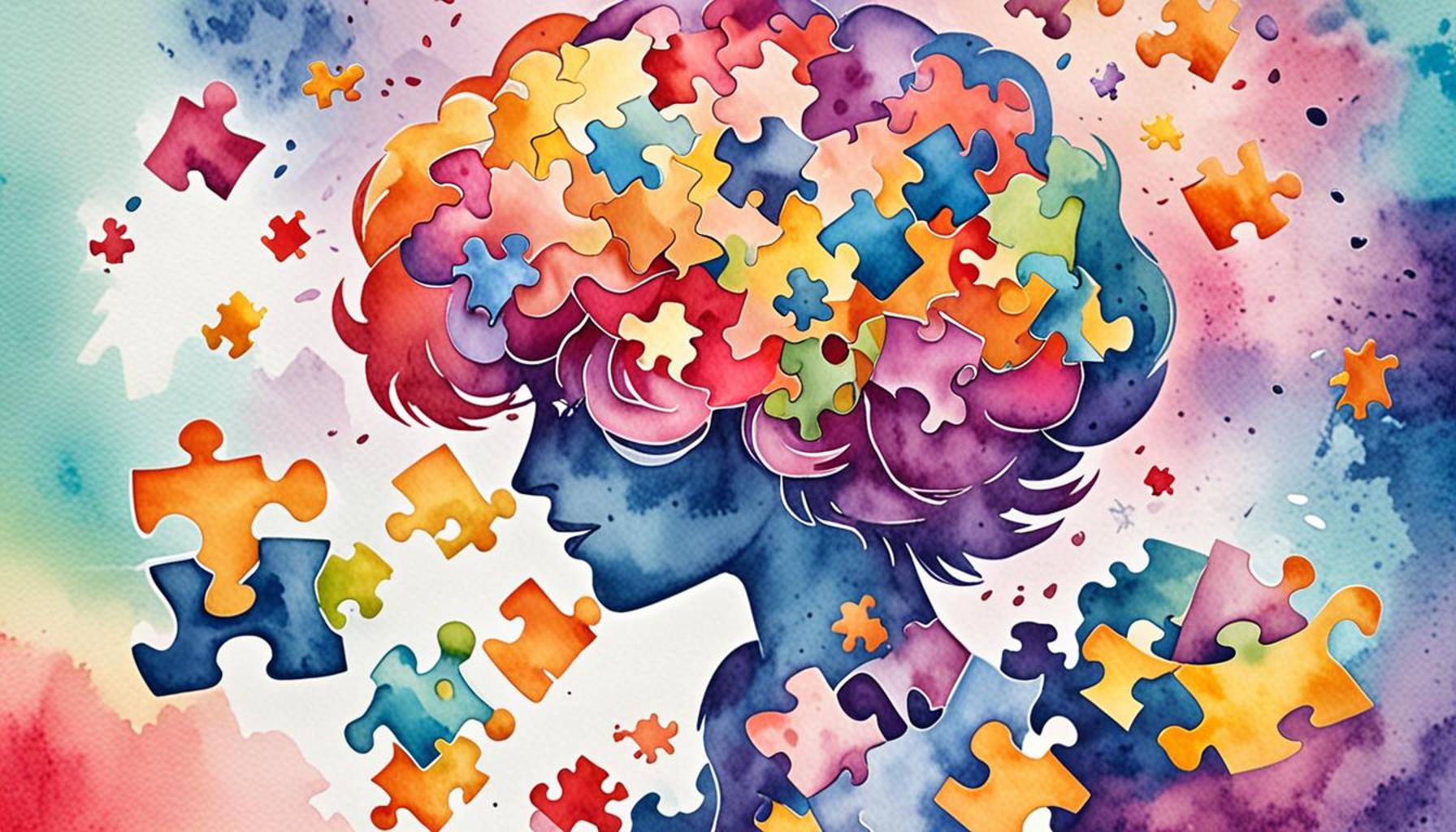
The Cognitive Benefits of Engaging with Puzzles
Puzzles serve as captivating cognitive challenges that can significantly enhance both memory and concentration. Engaging with puzzles is akin to a workout for the brain, providing various mental benefits that impact daily life in numerous ways. In a world where distractions abound, the need for mental clarity and focus is more pressing than ever. Hence, incorporating puzzles into one’s daily routine is not only enjoyable but can also support overall cognitive health.
Varieties of Puzzles in Nigeria
In Nigeria, various formats of puzzles can be readily encountered, often bringing together culture and cognitive engagement. Some popular types include:
- Crossword puzzles: These word-based challenges engage not only your vocabulary but also your problem-solving skills. They encourage players to think of synonyms and relationships between words, nurturing both linguistic skills and knowledge.
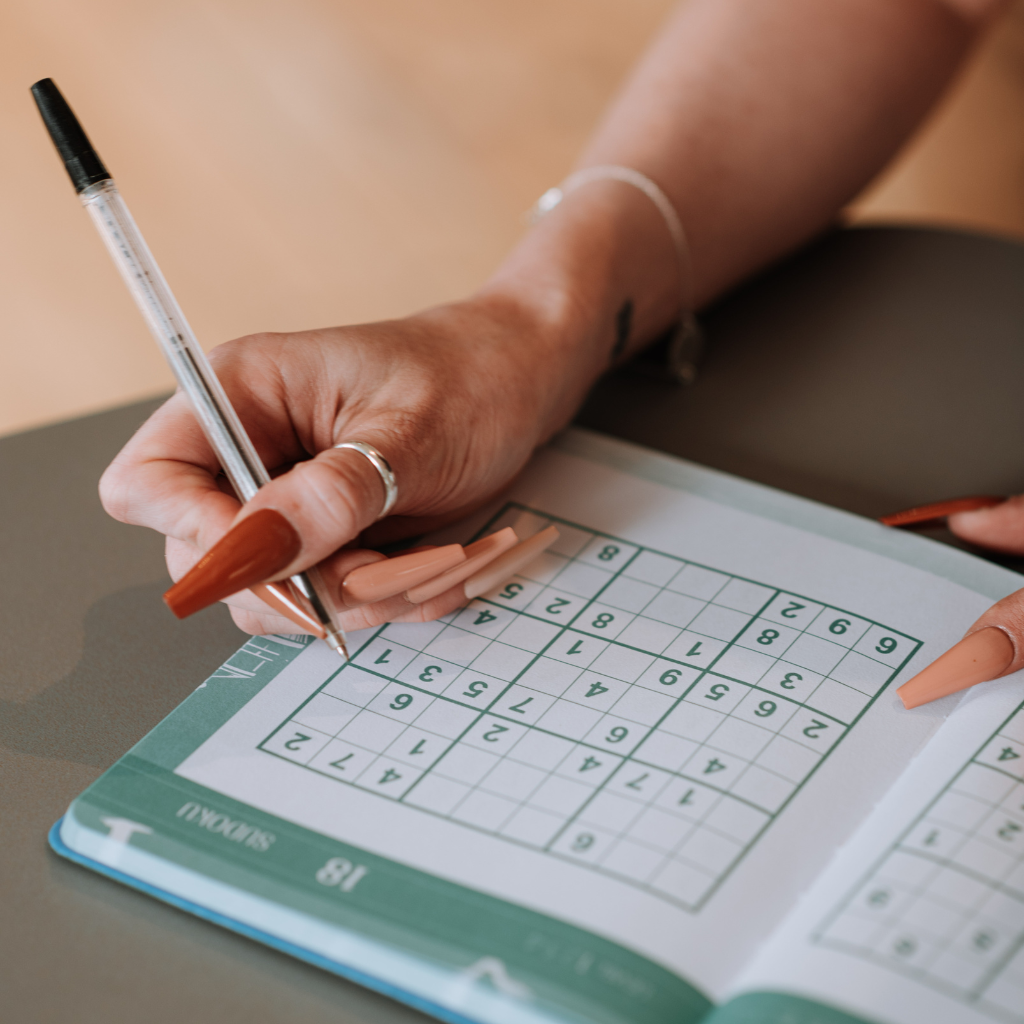
- Sudoku: This number puzzle enhances logical reasoning and numerical prowess. With no mathematical calculations required, it relies on the player’s ability to recognize patterns and apply deductive reasoning, making it an excellent exercise for mental agility.
- Jigsaw puzzles: These tasks improve visual-spatial abilities and attention to detail. Completing a jigsaw requires patience and a strong ability to visualize the final image, honing skills that are beneficial in many real-world situations.
The engagement with puzzles not only provides entertainment value but also serves as a practical exercise for mental conditioning. Research indicates that regular interaction with cognitive challenges can lead to a multitude of benefits, including:
- Improved memory retention: This strengthens the brain’s capability to store and recall information. Studies have shown that individuals who engage regularly in puzzle-solving activities often exhibit better memory capabilities than those who do not.
- Enhanced concentration: By promoting a deeper focus on tasks, puzzles help in reducing distractions that often plague our daily lives. A well-developed ability to concentrate can enhance productivity at work or in academic pursuits.
- Increased problem-solving skills: Engaging in puzzles sharpens critical thinking abilities through strategic planning. This skill set is invaluable in both personal and professional situations where quick thinking and creativity are required.
The Importance of Cognitive Engagement
As society constantly evolves and the pace of life accelerates, optimizing cognitive functions has become imperative. By integrating puzzles into daily tasks, individuals can ensure not only entertainment but also the nurturing of their mental acuity. In Nigerian communities, the tradition of gathering to solve puzzles can foster social bonds while exercising the mind. Whether over a cup of zobo or during family game nights, puzzles provide a unique opportunity for enriching both relationships and intellect. The choice is clear; embracing puzzles is a fun yet powerful way to maintain our mental fitness in an increasingly complex world.
SEE ALSO: Click here to read another article
The Mechanisms Behind Cognitive Improvement Through Puzzles
Puzzles are more than just entertaining pastimes; they are complex cognitive challenges that stimulate and engage our brains in multifaceted ways. Understanding how puzzles improve memory and concentration reveals why they are crucial for mental development and overall cognitive health. The intricate connections between different brain functions exemplify just how deeply these activities can enhance our mental prowess.
From the moment you tackle a puzzle, your brain enters a state of heightened activity. This neurological engagement is primarily driven by the need to process information, recognize patterns, and apply logic. When working on a crossword puzzle, for instance, players recruit their existing vocabulary and knowledge, strengthening their memory retention as they attempt to recall the right words to complete the grid. Various research findings support the idea that such exercises can lead to significant improvements in episodic memory, which governs our ability to remember personal experiences and specific events.
The Science of Cognitive Engagement in Puzzles
The benefits of puzzle-solving extend beyond memory enhancement; they significantly boost concentration levels as well. When solving a Sudoku or a jigsaw puzzle, the individual must channel their focus entirely into the task at hand. This type of engagement lessens the impact of distractions that permeate our lives. A study conducted by cognitive scientists indicates that individuals who regularly engage in puzzle-solving demonstrate marked improvements in attention span, showcasing that their ability to concentrate is not only temporary but can lead to long-term cognitive benefits.
- Memory Enhancement: Puzzles promote memory by requiring frequent recall of information and application of logic, therefore fortifying connections in the brain related to knowledge.
- Focus Development: The immersive nature of puzzles trains individuals to concentrate better, which can carry over into other areas of life, such as work and education.
- Problem-Solving Skills: Strategic planning during puzzle-solving enhances critical thinking, equipping individuals with the mental tools necessary for effective decision making.
The act of combining cognitive engagement with social interaction further amplifies these benefits. In Nigeria, for instance, families often gather to solve puzzles, transforming casual challenges into meaningful communal activities. Such environments are fertile grounds for enhancing not only cognitive functions but also social bonds. Engaging in puzzles during gatherings can bolster shared experiences, enabling family members to collaborate and support one another in navigating complex challenges. These shared experiences not only enhance memory and problem-solving skills but also create lasting memories and strengthen family ties.
In the era of smartphone distractions and instant gratification, the call for deeper cognitive engagement is critical. The act of engaging with puzzles serves as a crucial counterbalance, fostering mental fortitude and encouraging individuals to hone their skills actively. With each solved puzzle, whether it be a crossword in a newspaper or a Sudoku app, one isn’t just passing the time—one is actively investing in their own cognitive growth.
Puzzles have long been a favored pastime, but they offer much more than just entertainment. Engaging in various cognitive challenges through puzzles not only fosters a sense of enjoyment but also enhances key cognitive functions, particularly memory and concentration. Research indicates that regular participation in such activities can offer significant benefits to both young and older adults, making them a valuable tool for cognitive health.
One of the most notable advantages of solving puzzles is the way they enhance problem-solving skills. When faced with a complex puzzle, individuals must apply critical thinking and strategy to piece together solutions. This process contributes to sharper cognitive abilities that translate into improved focus and retention of information. Furthermore, the act of piecing together fragments and recognizing patterns is essential in building strong memory networks in the brain.
Moreover, the repetitive nature of certain puzzles, such as crosswords or sudoku, allows for neuroplasticity—the brain’s ability to reorganize itself by forming new neural connections. This neuroplasticity is pivotal for maintaining cognitive agility, especially as one ages. Engaging regularly with puzzles creates a mental workout that not only helps in memorizing facts but also enhances one’s ability to concentrate on tasks at hand.
The social aspect of puzzle-solving is also noteworthy. Many people engage in puzzles with friends or family, fostering interaction and communication skills. This can lead to a more enriched cognitive experience, where discussing strategies or competing for time can elevate one’s overall engagement level. Such collaborative efforts can enhance memory through interaction, making learning a shared experience.
| Category | Advantages |
|---|---|
| Mental Agility | Enhances problem-solving skills through strategic thinking. |
| Memory Enhancement | Improves memory retention by creating new neural pathways. |
Incorporating puzzles into your routine is more than just a fun activity; it results in mental stimulation that can lead to lasting improvements in concentration and memory. As more studies emerge, linking cognitive challenges to better brain function, one can’t help but be intrigued by the potential to unlock greater cognitive abilities through the humble puzzle.
ADDITIONAL INSIGHTS: Expand your understanding here
Enhancing Cognitive Skills through Diverse Puzzle Formats
The world of puzzles is vast and varied, encompassing everything from traditional logic problems to modern digital adaptations. Each format presents unique challenges that engage different areas of the brain, ultimately contributing to improved memory and concentration. By exploring various types of puzzles, one can not only find enjoyment but also enhance cognitive skills in novel ways.
For instance, word search puzzles challenge participants to identify words hidden among a jumble of letters. This seemingly simple task demands the ability to track visual patterns, sharpen focus, and exercise visual-spatial skills. Studies suggest that consistent engagement with such puzzles can enhance visual memory, fostering better retention of visual details in everyday scenarios, which can be particularly beneficial in learning environments.
The Role of Digital Puzzles in Cognitive Development
The advent of technology has transformed how we engage with puzzles. With smartphone apps and online platforms, users can access a plethora of puzzles at their fingertips. Digital platforms often offer features that adapt to an individual’s skills, ensuring a constant challenge that evolves over time. This personalized progression keeps the brain engaged, maintaining motivation and interest—elements crucial for cognitive growth.
Moreover, online puzzle communities promote social interactions, which are vital for mental health and cognitive development. In Nigeria, increasing access to smartphones and the internet has resulted in a rise in online puzzle competitions. These events foster a sense of community and collaboration, encouraging players to share strategies and insights. This interaction not only strengthens cognitive skills but also nurtures social connections that can facilitate better memory retention through shared experiences.
- Diverse Learning Styles: Different puzzles cater to various learning preferences, ensuring that individuals can find formats that resonate with them, enhancing overall cognitive engagement.
- Time Management and Strategic Thinking: Working against the clock in timed puzzle challenges cultivates skills in time management and strategy, which are applicable in academic and workplace settings.
- Stress Reduction: Engaging with puzzles can also serve as a form of stress relief. By providing a mental escape, puzzles allow individuals to concentrate on the task at hand, potentially freeing themselves from overwhelming thoughts and enhancing focus.
The puzzle ecosystem is not limited to conventional formats but expands into interactive and immersive experiences. Consider escape rooms, where participants must solve physical puzzles collectively within a time constraint. These experiences combine teamwork, problem-solving, and heightened concentration, making them ideal for strengthening cognitive skills in a format that is intensely stimulating and enjoyable. This interactive approach often leaves participants with lasting memories, as they collaborate under pressure, fostering both cognitive and emotional development.
Additionally, the cultural significance of puzzles in Nigeria cannot be overlooked. Traditional games like drafts and ayo have been passed down through generations, providing not only entertainment but also opportunities to sharpen cognitive skills and memory through strategic gameplay. Such cultural activities reinforce the idea that engaging with puzzles is an age-old method of fostering mental agility and social bonding.
As more people, especially in urban areas, embrace puzzle-solving, be it through digital formats or traditional games, they’re engaging in a powerful cognitive exercise. These activities not only boost memory and concentration but also promote a culture of learning and collaboration that can benefit individuals and communities alike.
YOU MAY ALSO LIKE: Read read another article
Conclusion
Engaging with puzzles offers a myriad of cognitive challenges that can significantly bolster memory and concentration. From traditional games like drafts and ayo to modern digital formats, each puzzle type serves as a unique exercise for the brain, catering to diverse learning styles while enhancing critical thinking and problem-solving skills. The adaptability of puzzles, particularly within digital platforms, ensures that users remain consistently challenged, which is pivotal for cognitive growth.
The benefits extend beyond individual performance. The collaborative nature of puzzle-solving, especially in online communities and competitions, fosters social connections that not only enhance memory retention but also create a sense of belonging. As urban centers in Nigeria increasingly embrace both traditional and contemporary forms of puzzles, the potential for shared learning experiences and community engagement grows stronger. These cognitive exercises harness the power of social interaction and teamwork, which are essential for holistic cognitive development.
Ultimately, puzzles provide more than mere entertainment; they are valuable tools for enhancing mental acuity and emotional well-being. As individuals delve deeper into this captivating world, they can unearth new strategies for personal growth, enjoyment, and collaboration. As we continue to embrace the cognitive challenges that puzzles present, we stand to benefit not only ourselves but our communities, reinforcing the idea that the path to mental fitness is both rewarding and enjoyable.