Developing Creativity Through Puzzles: New Approaches in Strategy Games
Unlocking New Dimensions in Creativity
Puzzles have long been recognized as captivating forms of entertainment. However, their role has evolved significantly in recent years; they are now regarded as potent tools for cultivating creativity. Through innovative approaches in strategy games, players are discovering not just entertainment, but avenues to amplify their problem-solving skills and imaginative thinking.
So, why does the fusion of puzzles and strategy games have such a profound impact on creativity? Here are several compelling reasons:
- Enhanced Cognitive Skills: Engaging with complex puzzles fosters critical thinking and cognitive flexibility. For instance, players may find themselves facing intricate challenges that require not just logical deduction but also the ability to switch strategies quickly, honing their mental agility.
- Collaborative Problem Solving: Many strategy games are designed with teamwork in mind, promoting collaboration among players. This collaboration leads to the sharing of diverse ideas and perspectives, which can ignite creative solutions that one might not arrive at independently. Consider the popular local game “Ludo,” where players can strategize together or even against each other, amplifying their engagement and creativity.
- Real-Life Applications: The skills developed through engaging with puzzles can be directly applied to real-world problems. Players learn to dissect challenges into manageable parts, enabling them to approach everyday issues with an innovative mindset. For instance, a player who excels at navigating a puzzle might find it easier to handle a complex project at work.
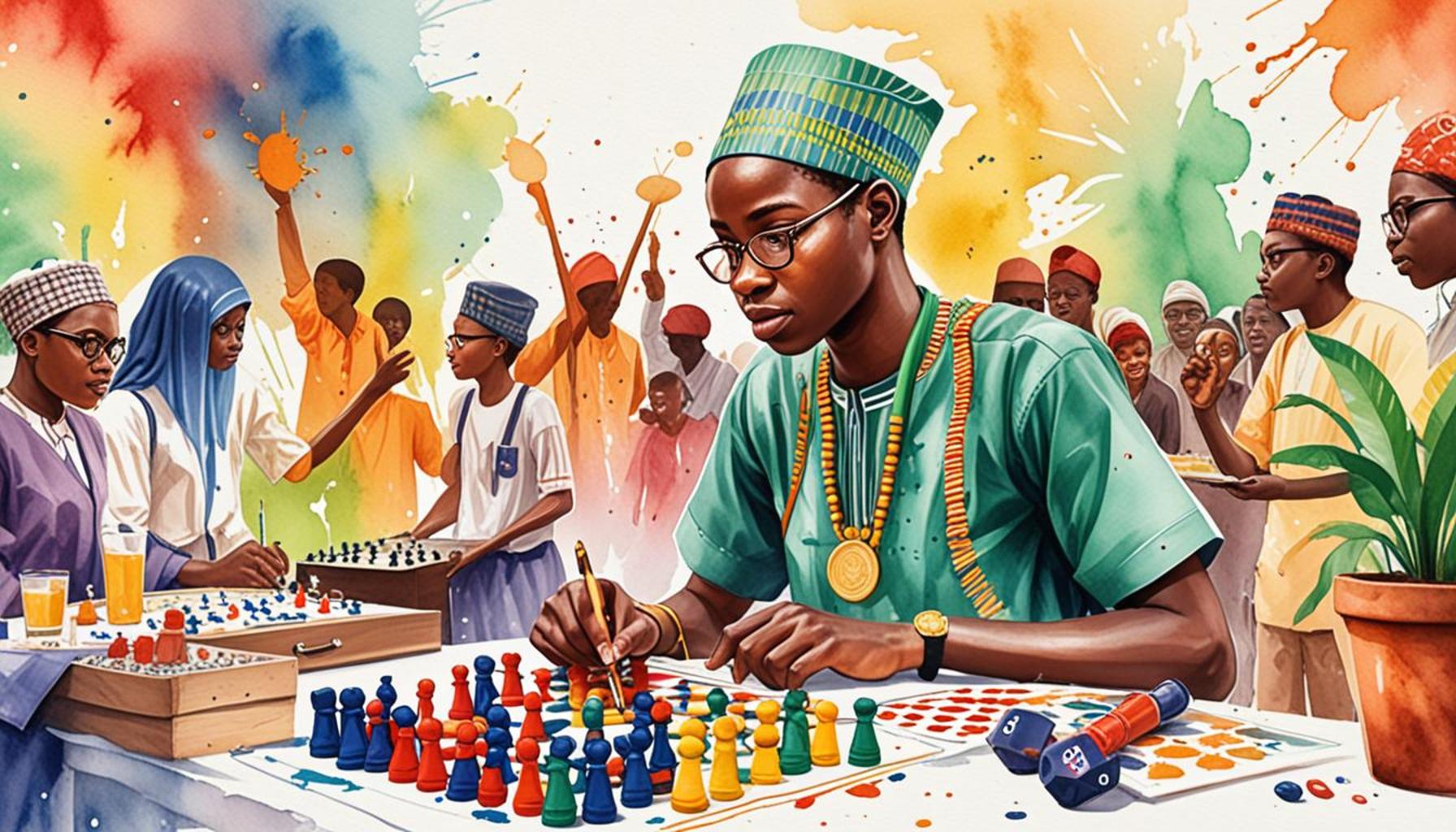
The rise of mobile strategy games in Nigeria serves as a significant testament to this creative potential. As internet access and smartphone usage swell, local developers are tapping into this trend by creating games that echo Nigeria’s rich cultures, values, and narratives. Games often include puzzles that reflect traditional tales or local history, engaging players not only in gameplay but in cultural appreciation.
As players traverse through various immersive scenarios, they learn to approach challenges with renewed perspectives. For example, a puzzle based on the historical significance of the Benin Empire might encourage players to think about leadership and strategy in their own lives. This blend of historical context and gameplay not only enhances their gaming experience but also enriches their creative reservoir.
Join us as we explore the captivating world of puzzles integrated within strategy games, unearthing how these elements are nurturing the creative spirit among diverse audiences in Nigeria and beyond. The potential for personal and communal growth through these innovative designs is immense, paving the way for a future where gaming is more than just play, but a profound catalyst for innovation.
LEARN MORE: This related article may interest you
New Models of Engagement: The Intersection of Puzzles and Strategy
The interplay between puzzles and strategy games has engendered innovative models of engagement that are reshaping how players perceive problem-solving and creativity. As strategy games evolve with technology, puzzles embedded within these games present a unique opportunity for players to challenge their minds while fostering imaginative thinking. This new blend offers something vital: an engaging way to develop essential skills that go beyond the screen.
One fundamental aspect of this integration is the role of adaptive gameplay. Many contemporary strategy games feature dynamic puzzle elements that adapt based on players’ performance, pushing them to think critically and creatively about their next steps. For example, in games like “StarCraft,” players must not only build their armies but also solve complex logistical puzzles that require foresight and strategy. This engagement fosters a mindset of adaptability, urging players to innovate constantly as the gameplay environment changes.
Moreover, the digital landscape in Nigeria is witnessing an influx of mobile strategy games that incorporate local history and folklore as puzzle themes. Games like “Chronicles of Nigeria” challenge players to solve ancient riddles while navigating contemporary strategic decisions. This not only invites players to immerse themselves in their cultural heritage but also inspires a sense of unity and pride in their creativity. Engaging with local narratives leads to a deeper connection and understanding of one’s environment, encouraging hopeful innovation.
The Art of Balancing Challenge and Skill
Another critical factor in developing creativity through puzzles in strategy games is the delicate balance between challenge and skill level. Games are most engaging when they present puzzles that are neither too easy nor too difficult. This balance, often referred to as the flow state, is where players lose track of time and become fully immersed in the challenge at hand. Studies show that when players experience this state, they often generate innovative solutions and creative insights. The importance of this balance cannot be overstated; achieving it can unleash a wellspring of creativity that can be translated into real-world problem-solving.
Additionally, the mechanics of feedback loops in strategy games play a significant role in enhancing creativity. When players receive timely feedback on successful puzzle-solving strategies, they can reflect on their approaches and make adjustments. This iterative learning process is crucial for developing a creative mindset. Engaging with games such as “Chess,” where every move can lead to unexpected consequences, entices players to think several steps ahead. Players learn not only from their successes but also from their failures, enhancing their ability to pivot and discover entirely new strategies.
As we delve deeper into these innovative approaches in strategy games, the implications for creativity development are profound. They invite players into a maze of challenges that stimulate the mind, urging them to explore intricate landscapes of strategic thinking while nurturing their innovative spirit. Ultimately, the creative potential released through these puzzles promises to reshape how skills are developed and applied in both personal and communal contexts across Nigeria and beyond.
Developing Creativity Through Puzzles: New Approaches in Strategy Games
As we delve deeper into the world of strategy games and puzzles, the connection between play and cognitive development becomes increasingly evident. Strategy games are not just about competition; they serve as a dynamic canvas for creativity, pushing players to think outside the box. The inherent complexities in these games require innovative thinking and spatial awareness, which can lead to significant improvements in problem-solving skills.By engaging in puzzles, players can experience a rich tapestry of scenarios and challenges that stimulate creative thought processes. For instance, consider the diverse range of puzzle types available today—from traditional jigsaw puzzles to advanced escape room games. Each of these puzzles presents unique challenges that promote thinking in unconventional ways. As players attempt to solve these puzzles, they are encouraged to navigate obstacles creatively, which in turn fosters adaptability and inventive thinking.Additionally, the social aspect of strategy games cannot be overlooked. Multiplayer formats encourage collaboration and discussion, allowing players to share ideas and strategies. This interplay not only enhances creativity but also builds skills in communication and teamwork, vital in both personal and professional realms. The melding of technology and creativity in strategy games is also transforming the landscape. With the rise of digital platforms, players can explore interactive puzzles that integrate storytelling with gameplay. Such innovations open doors to new artistic avenues and encourage community engagement, expediting the development of creative skills.Engaging with these puzzles and strategic challenges leads to a more nuanced understanding of game mechanics and encourages lifelong learning. Players often find themselves wanting to explore further, seeking out more complex puzzles or learning new techniques to enhance their gameplay. To illustrate the myriad advantages of these innovations, we present the following table summarizing key aspects of the advantages of adopting puzzles and strategy games in developmental settings.
| Category | Details |
|---|---|
| Cognitive Development | Encourages critical thinking and problem-solving. |
| Enhanced Creativity | Promotes innovative solutions and adaptability. |
Incorporating puzzles and strategy games into leisure activities provides not only entertainment but also valuable skills that can be applied across various life aspects. Continued exploration in this realm offers vast potential for personal growth and creativity enhancement.
ADDITIONAL INSIGHTS: Expand your understanding here
Enhanced Collaboration: Solving Puzzles in Teams
Another innovative approach that underscores the burgeoning relationship between puzzles and strategy games is the emphasis on collaborative gameplay. Modern gaming platforms increasingly allow for team-based strategies, where players must combine their individual problem-solving capabilities to tackle intricate puzzles. In games like “League of Legends” or “Overwatch,” players often face complex challenges that require not just personal skill, but also collective intuition and creativity. The capacity to communicate effectively with teammates nurtures a spirit of innovation, pushing each player to contribute unique perspectives and solutions.
This collaborative environment has profound implications for social skills and community development, particularly in Nigeria where communal living and teamwork are integral to cultural identity. By engaging in games that promote teamwork, players may inadvertently improve their ability to work together in real-world settings, drawing from puzzles that reflect local community challenges. For instance, participating in a strategy game that encodes themes of local challenges—such as resource management or environmental sustainability—encourages players to think collaboratively about solutions that could apply to their communities.
Encouraging Curiosity and Exploration
Puzzles embedded within strategy games also serve to foster a sense of curiosity and exploration among players. Games like “Civilization” or “Age of Empires” compel players to discover new technologies and strategies, pushing them to research historical contexts while solving various challenges. This connection to history not only broadens horizons but also ignites creative thought, as players explore possibilities that reflect their own experiences and cultural backgrounds. For Nigerian players, such games can provide insights into ancient civilizations and the intertwining narratives that have shaped contemporary life.
One notable aspect of this exploration is the integration of local folklore and narratives into gameplay. The engagement with traditional stories encourages players to both honor their roots and think creatively about how these stories might inform strategies in more modern contexts. This blend of historical curiosity and personal relevance further enhances creativity, driving players to innovate solutions based on cultural stories and lessons passed down through generations.
The Role of Gamification in Skill Development
Gamification of learning through strategy games is another noteworthy avenue in promoting creativity. The mechanics of games often incorporate elements such as points, badges, and progression levels that reward players for problem-solving behavior. This act of recognition not only boosts motivation but also provides a structured mechanism for creativity to flourish. Particularly for young Nigerian gamers, such rewards can instill a sense of achievement and bolster confidence in their problem-solving abilities. The potential of gamification extends beyond gaming; skills honed through these strategies can be valuable assets in educational settings and future careers. Leveraging the principles of gamification can reshape traditional learning methods and make creativity a holistic aspect of personal development.
As the gaming landscape continues to diversify, the intersection of puzzles and strategy games presents an invaluable framework for fostering creativity. By engaging with collaborative environments, exploring historical narratives, and utilizing gamified learning techniques, players are not just entertained; they are being equipped with essential skills that can enrich their lives both on and off the screen. The evolving nature of these games shapes a new generation of creative thinkers who are well-prepared to address the complexities of the modern world.
LEARN MORE: This related article may interest you
Conclusion: Embracing Creative Development Through Strategy Games
In conclusion, the realm of strategy games offers a multifaceted platform for developing creativity through the innovative use of puzzles. By fostering collaborative gameplay, players enhance their social skills while engaging in problem-solving activities that reflect their cultural narratives. Games that integrate local folklore encourage not only personal connection but also creative thinking rooted in historical context. This exploration paves the way for players, particularly in Nigeria, to draw parallels between gaming challenges and real-world community issues, thus nurturing a pioneering spirit that transcends the screen.
Moreover, the principles of gamification serve as a powerful tool for skill enhancement, instilling a sense of achievement and motivation that spills over into educational and professional domains. As young Nigerian gamers participate in immersive experiences, they are equipped with critical thinking skills and the confidence to tackle future challenges creatively. The possibilities for innovation are further multiplied by incorporating traditional storytelling into gameplay, leading to a unique blending of cultural heritage and modern strategy.
As technology continues to advance, and the gaming landscape evolves, it is crucial to recognize the value of puzzles in strategy games as more than mere entertainment. They are vital instruments for fostering creativity, collaboration, and cognitive development that can enrich lives and communities. As we move forward, embracing these new approaches can cultivate a generation of thinkers who are not only adept at solving puzzles but also solving the intricate problems of our world.