Exploring the Psychology Behind Strategy Games: How Decisions Attract Critical Thinking

Understanding the Impact of Strategy Games
Strategy games are more than just a source of entertainment; they form a complex interplay of psychology and decision-making. These games challenge players to think critically, analyze multifaceted situations, and anticipate their opponents’ moves. As players immerse themselves deeply into gameplay, they hone essential skills that extend beyond the game board, influencing personal and professional development.
Key Psychological Elements
- Critical Thinking: In strategy games, players must continually assess risks and rewards. Whether it’s weighing the benefits of a defensive strategy in chess against a more aggressive approach, critical thinking becomes a fundamental component. For example, a player may decide to sacrifice a piece to gain a strategic advantage, a choice that requires weighing immediate losses versus potential rewards.
- Problem Solving: Each game presents unique challenges that players must overcome to succeed. Games like damas (also known as checkers) require players to devise methods to block their opponents while simultaneously plotting out their own victory path. This dynamic cultivates a mindset where challenges are viewed as opportunities for creativity and innovation.
- Emotional Regulation: Managing stress and emotions is vital during intense gaming sessions. Players often face moments of pressure where the outcome of a game hangs in the balance. Learning to remain calm under such circumstances not only improves performance but also translates into better stress management in real-life scenarios, such as working under tight deadlines or making significant life decisions.
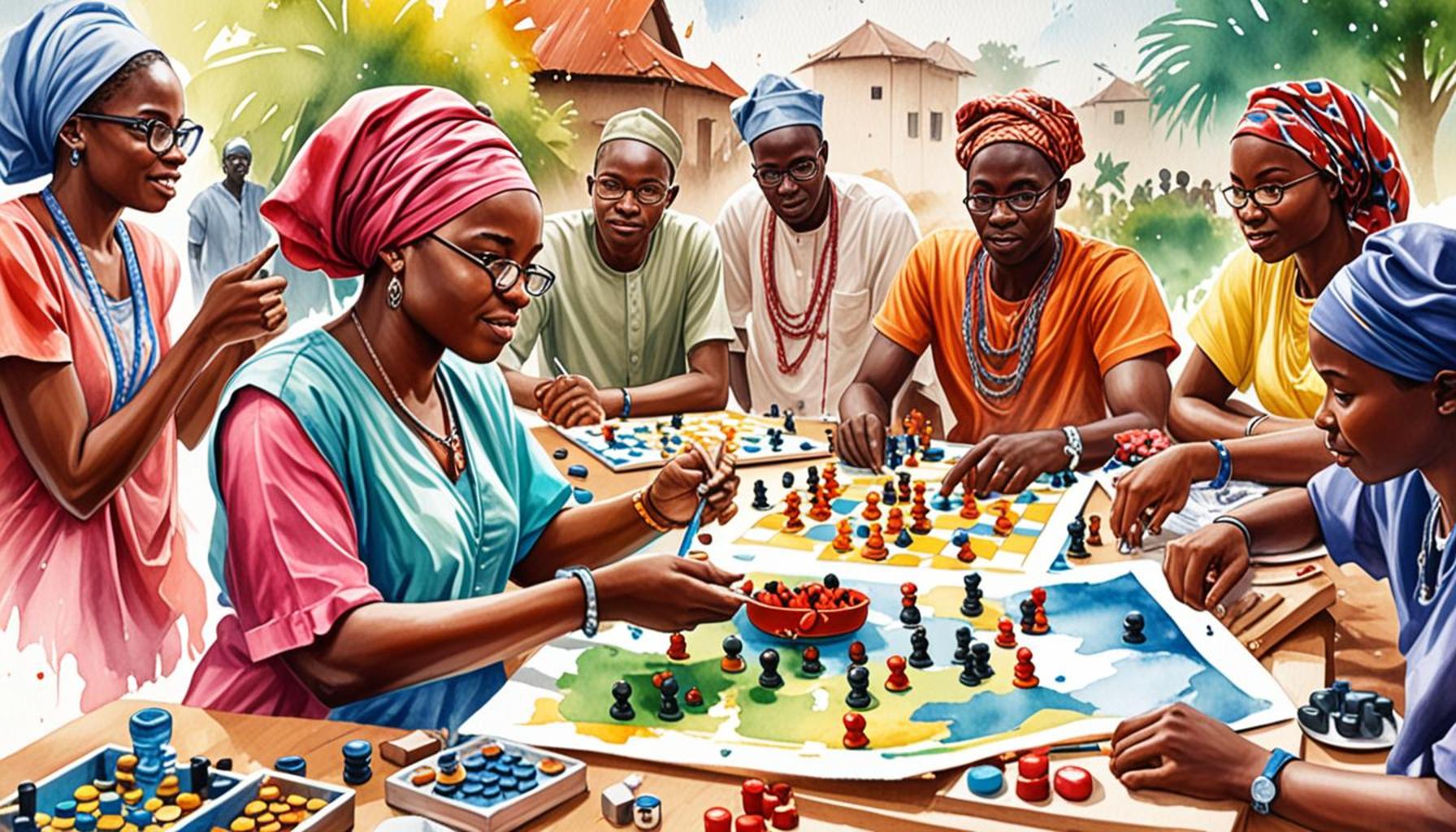
In Nigeria, the popularity of strategy games like chess and damas has soared, fostering vibrant communities that cherish strategic thinking. Schools and universities are increasingly incorporating these games into their curricula, promoting cognitive skill development and teamwork. Such moves underscore the idea that engaging with strategy games is not just for leisure but is also instrumental in cultivating analytical abilities that can benefit participants in various fields, be it in business, education, or even politics.
Why Are Decisions Important?
Every decision made in a strategy game can trigger a cascade of outcomes, influencing not just the game itself but also players’ underlying thought processes. This has profound implications for personal development, as players learn to navigate uncertainties and make informed choices. For instance, a classroom chess tournament not only prepares students for academic competition but also teaches them the value of anticipating consequences and developing patience. Understanding these dynamics can enhance performance in games and in real-life decision-making, proving that what happens on the chessboard can echo in daily life.
Furthermore, insights gained from playing strategy games are invaluable in a rapidly evolving world, especially in economies like Nigeria’s, where strategic decision-making becomes increasingly crucial for success in diverse fields. As players engage with these games, they unlock their potential, navigating life’s complexities with a strategist’s mindset.
RECOMMENDED: Check out this similar article
The Complexity of Decision-Making in Strategy Games
At the heart of every strategy game lies the intricate web of decision-making. Players are required to evaluate a myriad of choices, weighing potential outcomes against risks, often with unpredictable variables. This aspect of gameplay mirrors life outside the game, where decisions can lead to significant opportunities or considerable setbacks. The ability to navigate these complexities not only enhances one’s gaming experience but also nurtures a mindset geared towards thoughtful consideration and critical thinking. In Nigeria, where strategic games are becoming increasingly popular, understanding decision-making processes within these games is especially pertinent for young players.
The Role of Anticipation in Strategy
Anticipation is a fundamental skill that players develop through strategy games. It encourages them to forecast their opponent’s moves, much like a chess player predicting and countering their rival’s strategy. A player’s capability to foresee potential outcomes and adjust accordingly reflects a deep psychological engagement that cultivates not just strategic foresight but also enhances emotional intelligence. By anticipating various scenarios, players learn to remain one step ahead, building a resilience that can apply in real-world situations, such as negotiating deals or resolving conflicts.
Strategic Choices and Their Consequences
Each move in games like chess or checkers can shift the momentum of the game, demanding players to recognize the weight of their decisions. Here are some critical factors that influence players’ decision-making:
- Risk Assessment: Players learn to evaluate the potential risks involved in their choices. For example, in chess, sacrificing a bishop might allow for more extensive control of the board, showcasing the importance of long-term strategy over short-term gain.
- Resource Management: Strategy games often require players to optimize limited resources, whether it’s pieces in chess or spaces in a game of checkers. This concept transfers into real life where resource allocation is key to success in various sectors, including business ventures and personal finance.
- Adaptability: The unpredictability of opponents’ moves teaches players to adapt swiftly to changing circumstances. This ability to pivot and adjust strategies promptly is invaluable in environments that are rapidly evolving, much like the current economic climate in Nigeria.
Ultimately, the psychological component of decision-making in strategy games goes beyond mere entertainment. It provides a platform for players to foster their analytical capabilities, preparing them to tackle real-life challenges with the same vigor and mindfulness they apply on the game board. As Nigeria continues to embrace gaming as a tool for education and cognitive development, understanding these dynamics will only enhance the value found in participation, encouraging young strategists to think critically and explore the complexities of their decisions.
Exploring the Cognitive Benefits of Strategy Games
Strategy games have an inherent ability to engage players in a tapestry of cognitive challenges, encouraging them to develop a myriad of critical thinking skills. One pivotal aspect of these games is how they simulate real-world scenarios, compelling players to make decisions that involve planning, risk assessment, and resource management. This simulation creates a rich environment where players are not just passively participating but actively shaping outcomes based on their choices.Furthermore, many strategy games demand foresight—players must think several steps ahead, anticipating opponents’ actions while also gauging the impact of their own decisions. This dynamic fosters the growth of analytical skills, as players weigh various strategies against potential consequences. For instance, selecting the right moment to launch an attack or fortify defenses requires not only awareness of one’s own resources but also an understanding of the opponent’s behavior. The cognitive strain of navigating these scenarios enhances problem-solving capabilities, ultimately leading to sharper critical thinking skills.Another psychological facet of strategy games lies in their ability to instill a sense of achievement through complex decision-making. Players often face dilemmas that necessitate ethical considerations and risk evaluation, thereby reinforcing their capacity to make informed judgments. The iterations of trial and error that come with gameplay serve to strengthen these skills, as successes and failures alike contribute to the development of a more nuanced understanding of strategic thought.Moreover, engaging with strategy games can facilitate a deep sense of community and social interaction. Players frequently discuss strategies, share insights, and collaborate in multiplayer formats. This exchange enhances cognitive flexibility as individuals are exposed to diverse viewpoints and alternative strategies, enriching their gaming experience and critical thinking process. Ultimately, the impact of strategy games on critical thinking extends far beyond the virtual realm, influencing players’ real-life decision-making processes as they learn to dissect problems, foresee consequences, and explore innovative solutions. As such, exploring the psychology behind these engaging games reveals layers of cognitive growth that are both profound and deeply beneficial.
| Category | Advantages |
|---|---|
| Cognitive Skills Development | Enhances critical thinking and strategic planning in players. |
| Real-World Simulation | Encourages decision-making within contextually rich scenarios. |
| Social Interaction | Fosters community and collaboration through strategy exchange. |
| Ethical Dilemma Resolution | Promotes ethical considerations in decision-making processes. |
CHECK OUT: Click here to explore more
Emotional and Social Dynamics of Strategy Games
Beyond the mechanics of decisions and outcomes, the emotional and social dynamics in strategy games contribute significantly to the development of critical thinking. Engaging with others in a competitive yet friendly environment builds social skills that syncopate with emotional intelligence. Young players not only learn how to think strategically but also how to manage interpersonal relationships, which is essential in various spheres of life, including education, work, and family interactions.
Teaching Empathy Through Competition
While it might seem counterintuitive, empathy is a crucial aspect of strategy games. Players often find themselves putting themselves in their opponent’s shoes, contemplating their possible moves and motivations. This shift in perspective nurtures a deeper understanding of human behavior and strengthens the ability to interpret social cues—a skill contrasting sharply with the individualistic mindset often celebrated in competitive environments. Through games, Nigerian youths understand that the competition is not solely about winning but also about recognizing commonalities among themselves and their opponents.
The Influence of Group Dynamics
In games that allow for alliances or cooperative play, the group dynamics come into play, underscoring the importance of collaboration alongside competition. Players must communicate their strategies, negotiate terms, and build trust within a team setting. This interaction lays a foundation for important life lessons, such as:
- Negotiation Skills: Players need to negotiate resources, strategies, and even terms of potential betrayal or alliance shifts. This is particularly relevant in the Nigerian context where understanding the art of negotiation is vital, whether in business or in informal community engagements.
- Conflict Resolution: Disagreements may arise during gameplay, necessitating healthy discussions to resolve conflicts, teaching players how to manage disputes amicably.
- Leadership Development: Participating in strategy games allows players to take turns in leadership roles, effectively honing their ability to guide and influence others towards a common goal. This experience is particularly beneficial in shaping future leaders in Nigeria who will foster societal progress.
The Neurocognitive Impact of Strategy Games
Neuroscience research reveals that engaging in strategy games can enhance cognitive abilities such as memory, attention, and problem-solving skills. The mental exercise required during gameplay stimulates various brain regions, improving overall neural efficiency. Players must recall previous scenarios and outcomes, apply learned strategies, and adapt to their opponents’ tactics, which all contribute to cognitive growth. In a fast-developing country like Nigeria, where young minds face numerous challenges, nurturing cognitive skills through engaging activities like strategy games is becoming increasingly significant.
Furthermore, neuroplasticity—the brain’s ability to reorganize itself by forming new connections—is positively impacted by these games. This adaptability is crucial, as it now allows for real-time learning and adjustment. The ability to quickly absorb and utilize new information is invaluable in education and personal development.
In summary, the far-reaching implications of emotional, social, and cognitive dynamics in strategy games highlight how these interactive experiences cultivate critical thinking while simultaneously enhancing a player’s ability to navigate complex scenarios in both gaming and real life.
LEARN MORE: This related article may interest you
Conclusion: Unpacking the Benefits of Strategy Games
As we have explored, strategy games serve as a rich environment for the enhancement of critical thinking skills, blending emotional, social, and cognitive dimensions. The experience of navigating complex decisions fosters an analytical mindset that transcends the realm of gaming, equipping players with vital skills applicable in real-life contexts. In Nigeria, where the importance of negotiation, empathy, and collaborative problem-solving cannot be overstated, these games present an invaluable opportunity for personal and societal advancement.
The interplay of competition and cooperation encourages players, especially the youth, to negotiate effectively and navigate interpersonal dynamics—essential components in today’s interconnected world. Additionally, the neurocognitive benefits highlight the capability of strategy games to enhance cognitive abilities such as memory and adaptability, preparing young minds to tackle multifaceted challenges in educational and professional arenas.
Moreover, as we face an increasingly complex global landscape, fostering these skills through engaging mediums like strategy games will be crucial. With the continued rise of digital interactive platforms, there lies an opportunity for educators and parents to harness these benefits, promoting critical thinking and 21st-century skills among Nigerian youths. As more individuals recognize the far-reaching benefits embedded within strategy games, it becomes clear that they are more than mere entertainment; they are powerful tools that encourage critical thinking, empathy, collaboration, and leadership. Exploring these psychological elements not only enriches our gaming experiences but also enhances our lives off the screen, paving the way for a more dynamically skilled future generation.