Logical Puzzles as a Tool for Social Inclusion in Marginalized Communities in Nigeria
Connecting Communities Through Logical Challenges
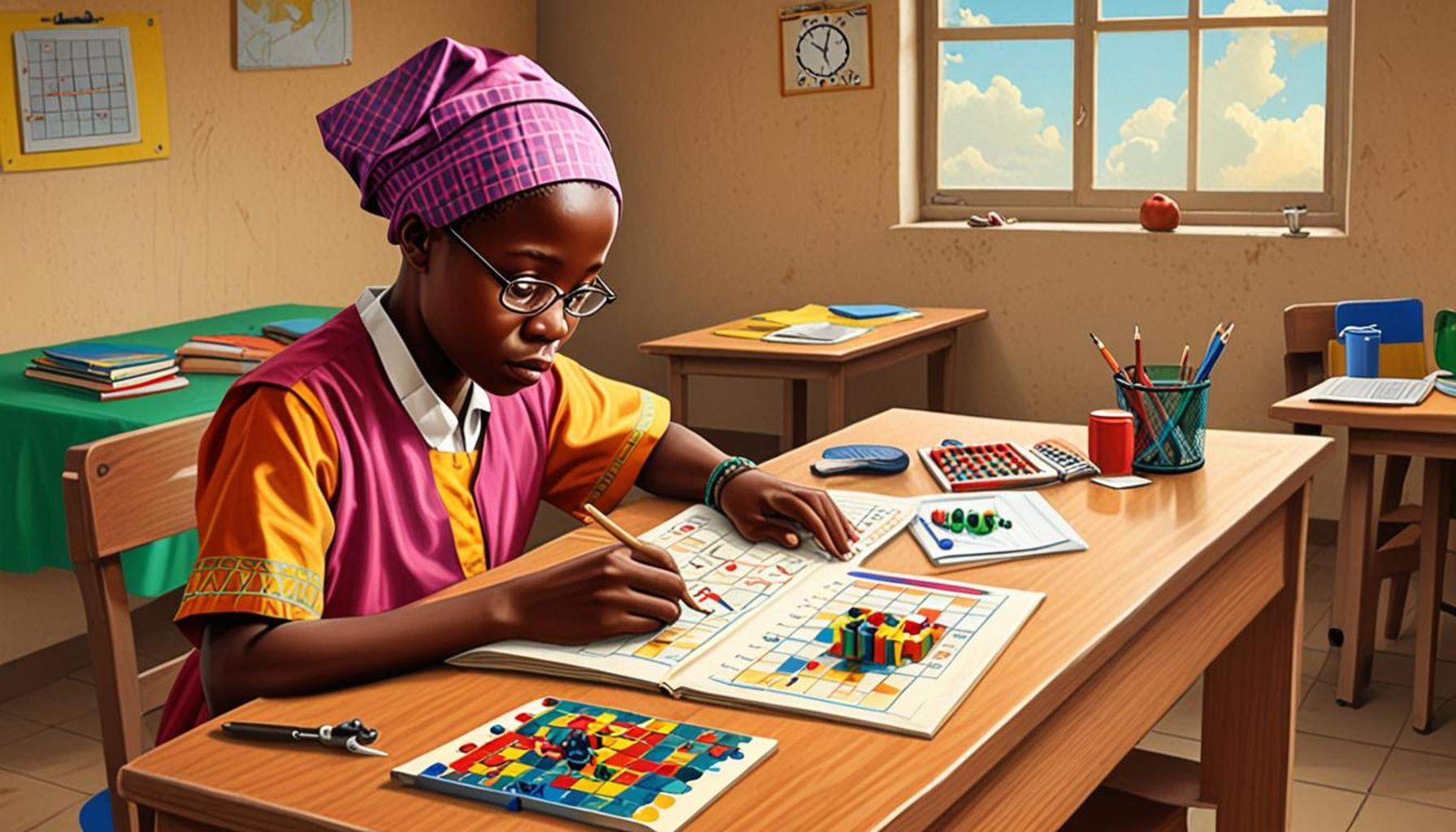
In Nigeria, marginalized communities often grapple with issues that lead to social isolation and division. Barriers such as economic constraints, inadequate access to education, and cultural differences can create a rift among individuals. Logical puzzles have surfaced as intriguing and interactive tools that promote social inclusion, stimulate conversation, and foster connections among people from various backgrounds.
Integrating logical puzzles into community programs offers several notable advantages:
- Enhancement of critical thinking: Puzzles engage participants’ cognitive abilities, encouraging them to analyze problems, formulate strategies, and find solutions. For example, tasks such as Sudoku or riddles require logical reasoning and pattern recognition, which can improve an individual’s problem-solving skills.
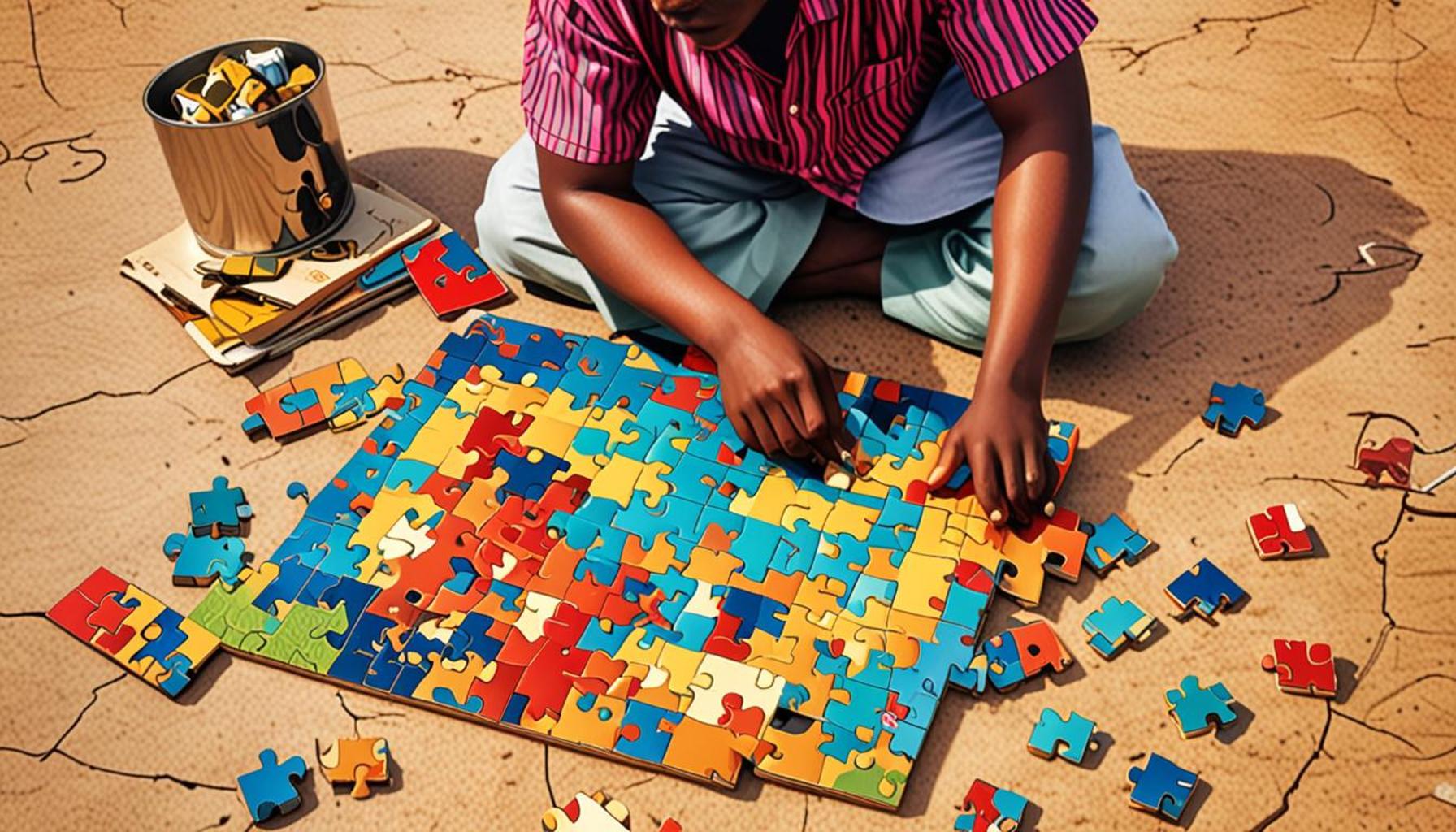
- Encouragement of teamwork: Working collaboratively on puzzles not only strengthens community ties but also teaches the value of shared effort. Picture a group of youths from different neighborhoods in Lagos coming together to solve a complex jigsaw puzzle. The shared goal fosters collaboration and builds friendships across previously divided lines.
- Inclusive engagement: Logical puzzles require no specific language or education level, making them accessible to individuals of all ages and backgrounds. A community gathering in a rural village might see elders and children tackling puzzles side by side, bridging generations and encouraging dialogue.
This approach can be seamlessly adapted to various community settings across Nigeria, whether in bustling urban centers like Kano or quieter rural areas in Enugu. Logical puzzles can serve as a formal or informal means of breaking the ice, instigating conversations that might not otherwise occur. For instance, during community events or local gatherings, a puzzle competition can attract a diverse range of participants, providing a platform for interaction and understanding.
As community leaders and educators delve deeper into innovative strategies for social inclusion, the potential of puzzles remains immense. Not only do they entertain, but they also empower individuals by equipping them with social skills and strengthening community bonds. Programs focused on these engaging challenges can transform lives by providing opportunities for collaboration and communication.
The universality of puzzles as a language of connection emphasizes their power in uniting disparate groups. As communities in Nigeria explore these enriching engagements, the journey of solving together may prove to be just as significant as the solutions themselves.
LEARN MORE: This related article may interest you
Bridging Divides Through Interactive Logic
In the diverse cultural landscape of Nigeria, the concept of social inclusion is vital for the development of marginalized communities. Many individuals experience isolation due to socioeconomic challenges, language barriers, or cultural differences. Logical puzzles offer a unique avenue for engagement, serving as a tool that can transcend these obstacles and create a shared space for individuals to connect and thrive. By stimulating cognitive engagement and promoting communication, logical challenges present a vehicle for fostering harmony and inclusivity.
The cognitive benefits of solving logical puzzles extend beyond mere entertainment. Engaging in these activities cultivates essential life skills. For instance, puzzles like crosswords not only enhance vocabulary but also encourage participants to think flexibly and approach problems from different angles. This necessity for innovation can inspire creativity in real-life scenarios, enabling individuals to tackle daily challenges more effectively.
- Promotion of Cultural Exchange: When individuals from different backgrounds come together to solve a puzzle, they often share stories and insights from their cultures. This exchange enriches the experience and fosters mutual respect. In cities like Port Harcourt, community puzzle events can attract participants from varying ethnic groups, leading to conversations that highlight the beauty within diversity.
- Building Confidence: Successfully solving a puzzle can significantly boost an individual’s confidence. This newfound self-assurance can translate into other areas of life, encouraging participants to engage more openly and take on leadership roles within their communities. A young girl in a remote village who cracks a challenging riddle may feel empowered to voice her opinions on community matters.
- Strengthening Interpersonal Skills: The collaborative nature of puzzle-solving promotes vital communication and teamwork skills. When participants must work together, they learn to navigate differing opinions and strategies, which is particularly valuable in a country with such rich cultural diversity. The experience can help establish connections that may lead to long-lasting friendships and community ties.
Moreover, the interactive nature of logical puzzles encourages inclusivity across age groups. From school children to senior citizens, everyone has an opportunity to participate, learn, and grow. Organized puzzle-solving activities can become vibrant community events, drawing individuals who may not typically engage with one another. In this sense, the act of solving puzzles transforms into a communal effort, promoting unity and breaking down barriers of isolation.
In a nation where socio-economic disparities are prevalent, using logical puzzles as tools for inclusion not only benefits the individuals engaged but also contributes positively to the fabric of society. As more community leaders recognize the power of puzzles as a unifying mechanism, the potential for meaningful engagement and connection continues to expand exponentially. Through these shared experiences, the promise of a more inclusive Nigeria is not merely a vision—it is an achievable reality.
| Category | Details |
|---|---|
| Cognitive Development | Logical puzzles enhance critical thinking and problem-solving skills. |
| Social Integration | Puzzles facilitate teamwork and communication, fostering community bonds. |
In marginal and underserved communities in Nigeria, implementing logical puzzles serves not only as a recreational activity but also as a vehicle for social inclusion. Through engaging in these mental challenges, individuals can experience significant growth in their cognitive abilities, particularly in areas of critical thinking and dispute resolution skills. This cognitive development is vital as it encourages participants to approach challenges creatively and systematically, ultimately benefiting their personal and professional lives.Moreover, the act of solving puzzles encourages collaboration among participants, thereby helping to forge meaningful connections within the community. In environments where social interaction may be limited due to various factors, these puzzles can act as a powerful tool to bridge social divides. As people come together to tackle puzzles, they develop critical communication skills necessary for fostering persistence and partnership among marginalized groups.By focusing on these interactive and inclusive methods, communities can not only enhance individual skills but also improve the overall social fabric, leading to a brighter and more connected future for all members involved.
SEE ALSO: Click here to read another article
Cultivating Critical Thinking and Empathy
The transformative potential of logical puzzles in fostering social inclusion extends beyond mere problem-solving; it fundamentally nurtures critical thinking and empathy among participants. In a society increasingly marked by division and misunderstanding, these skills are essential for coexistence and collaboration. Research indicates that engaging in logical reasoning activities enhances problem-solving capacities, allowing individuals to approach conflicts with more rationality and less emotionality. This not only benefits personal interactions but also promotes peaceful resolutions to community disputes.
Furthermore, as puzzles often revolve around scenarios that require multiple perspectives, they naturally encourage empathy. Participants are challenged to step into the shoes of others as they navigate the various strategies and outcomes that each puzzle presents. For instance, in a community setting, neighbors from different backgrounds may engage in a puzzle that simulates resource allocation. This not only fosters critical dialogue but also helps individuals grasp the differing needs and priorities of their peers. Organizers of community events in areas like Lagos or Kano have successfully leveraged this approach to guide discussions around pressing community issues, encouraging both understanding and collaboration.
- Developing Lifelong Learning Skills: The process of solving logical puzzles inherently cultivates personalized learning journeys. Each puzzle presents unique challenges that can spark curiosity and innovation, driving participants to seek knowledge beyond traditional educational settings. For many marginalized youth in Nigeria, particularly in rural areas, this development can encourage a love for learning that translates into educational advancement and improved life outcomes. Organizations focused on youth empowerment, such as the Nigerian Educational Resources and Development Organization, are actively utilizing puzzles in their curricula to better engage students.
- Nurturing Patience and Persistence: Engaging with challenging puzzles teaches the value of patience and perseverance. In marginalized communities, individuals often face numerous setbacks in their daily lives; however, the satisfaction derived from eventual success in solving a complicated puzzle can have profound impacts on an individual’s mental resilience. By fostering a mindset that values persistence, participants are better equipped to confront and overcome the obstacles they encounter in their personal and professional lives.
- Facilitating Inter-Ethnic Understanding: Nigeria’s rich tapestry of ethnic diversity can often lead to tensions and misunderstandings. However, puzzle activities provide a neutral platform where shared goals and teamwork become essential. By breaking bread over a shared puzzle, individuals can needlessly dissolve barriers, leading to informal discussions about cultural practices, beliefs, and experiences. This kind of inter-ethnic interaction is especially vital in cities like Jos, where demographic fragmentation can impede social cohesion.
As state and local governments in Nigeria increasingly work towards effective community engagement strategies, leveraging logical puzzles appears to be a promising approach. Various educational and non-profit organizations are recognizing these benefits and integrating puzzles into their outreach programs as a means to foster social inclusion. The implications of this practice go beyond merely enhancing cognitive skills; they offer a pathway to a richer understanding of societal contexts and realities that lead toward greater unity.
In high-stakes environments like community relationships in Nigeria, the ability to think critically and empathize with peers can have ripple effects on governance, community building, and advocacy initiatives. Therefore, the future of social inclusion in marginalized Nigerian communities may very well hinge on the embrace of innovative tools like logical puzzles that stimulate cognitive engagement and foster meaningful connections.
SEE ALSO: Click here to read another article
Conclusion
In conclusion, the integration of logical puzzles as a tool for social inclusion in marginalized communities in Nigeria holds remarkable promise. By facilitating critical thinking, nurturing empathy, and fostering a spirit of collaboration, these puzzles create a shared space for diverse individuals to engage with one another. The benefits extend beyond individual cognitive skills; they serve as a catalyst for lifelong learning, resilience, and, importantly, inter-ethnic harmony in a country rich with cultural and ethnic diversity.
The opportunities presented by logical puzzles can inspire community members to forge stronger connections and embark on efforts towards mutual understanding in regions where socio-economic disparities often strain relationships. Local organizations and community leaders must recognize the transformative effect that such innovative engagement can have on youth engagement and empowerment, as well as broader societal change.
As Nigeria navigates the complexities of a multifaceted society, adopting methodologies like logical puzzles can create pathways to improved social cohesion. By encouraging dialogue about differing perspectives and cultivating skills necessary for constructive interactions, these puzzles can help bridge divides and provide a framework for ongoing, inclusive community development.
Ultimately, the future of social inclusion in Nigeria’s marginalized communities may be enriched through the creative application of logical puzzles, highlighting not only the beauty of problem-solving but also the power of connection in advancing collective well-being. Engaging with these puzzles allows communities to turn challenges into opportunities for growth, fostering an environment where collaboration thrives and local voices resonate with clarity.