Memory and Lifestyle: How Memory Games Can Combat Cognitive Decline in the Elderly in Nigeria
The Significance of Cognitive Health in Aging Populations
As the elderly population in Nigeria grows, with over 13 million individuals aged 60 and beyond, the issue of cognitive decline has become increasingly pressing. This decline manifests in various forms, from mild forgetfulness to more severe conditions like dementia and Alzheimer’s disease. The implications of these cognitive changes extend beyond the individual, impacting families and the broader community. Addressing the needs of this demographic is vital for promoting a healthier, happier society.
Understanding Cognitive Decline
Cognitive decline refers to a decrease in cognitive functioning that affects memory, attention, reasoning, and problem-solving abilities. In Nigeria, where family structures often prioritize collective well-being, the well-being of elderly relatives can greatly influence family dynamics. Consequently, supporting cognitive health is not merely an individual issue but a communal responsibility. This makes it imperative to explore innovative methods that can enhance cognitive performance among seniors.
The Role of Memory Games
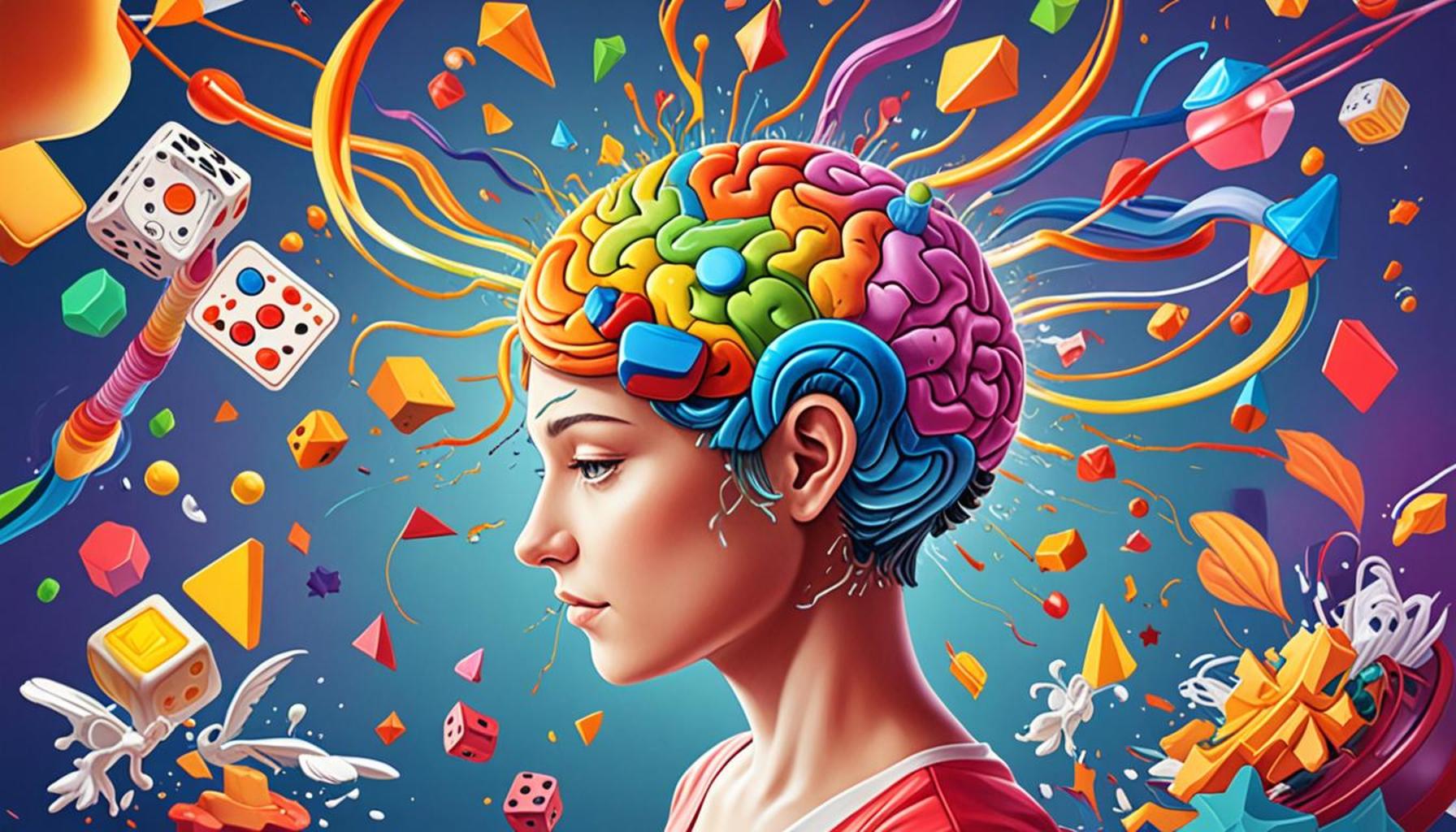
In this context, memory games have emerged as valuable tools in maintaining cognitive health. These activities serve a dual purpose: they provide entertainment while actively engaging the brain. A wealth of research supports the notion that regular cognitive stimulation can slow down the progression of memory-related disorders and enhance daily functioning. For example, studies show that seniors who participate in cognitive games exhibit improved memory retention and greater mental agility.
- Enhancement of memory: Simple memory exercises, such as matching cards or engaging in word puzzles, can significantly improve retention capabilities with regular practice.
- Social interaction: Memory games often require collaboration and teamwork, promoting bonding. Families can play games together, fostering intergenerational connections that are particularly beneficial in a culturally rich society like Nigeria.
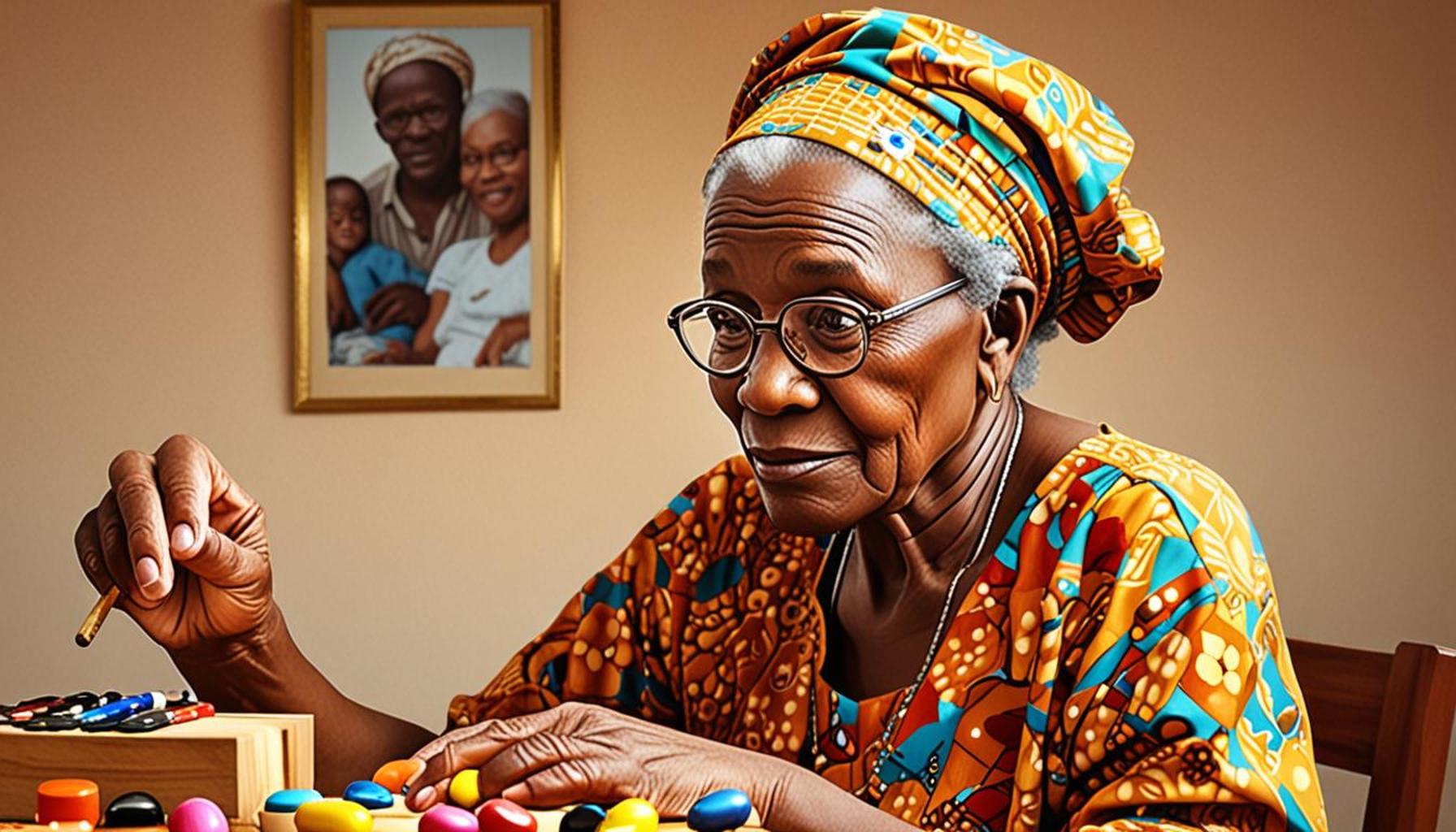
- Accessibility: Many memory games can be created using everyday household items, such as cards or stones, making them readily available for families without the need for expensive equipment.
- Flexibility: Memory games can be personalized according to the abilities of the players, allowing for inclusive participation regardless of cognitive health status.
A Cultural Approach to Cognitive Health
In Nigeria, where customs and traditions hold significant value, the introduction of memory games can also serve to bridge generational divides. For instance, elders can teach younger family members traditional tales or local names through memory-based storytelling games. This not only helps seniors retain cognitive functions but also ensures the preservation of cultural heritage. Families gain the opportunity to create lasting memories while instilling valuable life lessons in younger generations.
By incorporating memory games into daily routines, families can foster an environment where cognitive health is prioritized, benefitting both seniors and younger members of the household. The goal is clear: to pave the path toward innovative solutions that enhance the lives of Nigeria’s aging population. The importance of cognitive health cannot be overstated, making it crucial for families and communities to take proactive steps together.

LEARN MORE: This related article may interest you
The Impact of Memory Games on Cognitive Health
The integration of memory games into the daily lives of the elderly in Nigeria represents a promising approach to combating cognitive decline. As brain health takes center stage in conversations about aging, these games provide a simple yet effective means to engage the mind, while also fostering emotional well-being. For many elderly individuals, particularly those in Nigeria where social interactions are highly valued, these activities are not just mental exercises; they are an opportunity to connect with loved ones and the community at large.
Cognitive Benefits of Memory Games
Research has consistently shown that participating in memory games can enhance cognitive abilities. Games designed to stimulate memory, such as card matches or digital brain teasers, offer the brain a workout that has the potential to slow the onset of cognitive disorders. By regularly engaging in such activities, seniors can experience:
- Improved Recall: Engaging in memory exercises can lead to a significant improvement in the ability to recall names, events, and essential daily tasks.
- Increased Focus: Memory games help sharpen concentration skills. As seniors work on these tasks, they find themselves better able to focus, not just in the game but in real-life situations.
- Enhanced Problem-Solving Skills: Many memory games present challenges that require players to think critically and solve problems, thus promoting mental agility that is beneficial in everyday life.
- Stimulation of Neuroplasticity: Engaging the brain in memory games can foster neuroplasticity, allowing the brain to form new connections and pathways, which are crucial for maintaining cognitive functions as one ages.
Community Engagement through Memory Games
In Nigeria, where community and family are deeply interwoven into the fabric of life, memory games can also serve as a medium to strengthen intergenerational bonds. Sharing memory games among family members allows the elderly to pass on their wisdom while receiving admiration and affection from their younger counterparts. For instance, a grandparent who engages grandchildren in traditional memory games can facilitate a learning experience packed with cultural narratives, amusing anecdotes, and life lessons that are invaluable in a fast-changing society.
Moreover, organizing community game days centered around memory exercises in local neighborhoods or senior care facilities could significantly bolster social interaction. These gatherings pull together families and friends, creating a dynamic environment that is not only associated with skill enhancement but also emotional support, reducing the risks of feelings of loneliness and isolation among the elderly.
As we delve deeper into the significance of memory games in Nigeria’s elderly population, it becomes crucial to recognize the role of cultural context. By reimagining traditional games to include memory-based elements, families can reflect on their heritage while simultaneously prioritizing cognitive health. This enriching combination paves the way for a community that values both the wisdom of its elders and the vitality of future generations.
Exploring the Impact of Memory Games on Cognitive Health
As cognitive decline becomes an increasing concern among the elderly in Nigeria, integrating memory games into daily routines presents a promising solution. These games, specifically designed to challenge and stimulate the brain, enhance various cognitive functions, including memory, concentration, and problem-solving skills. Research indicates that engaging in mental exercises can yield substantial improvements in cognitive health, slowing the progression of conditions such as dementia and Alzheimer’s disease.
Advantages of Memory Games for the Elderly
The implementation of memory games can offer several benefits for seniors. Firstly, they promote social interaction, reducing feelings of isolation that many elderly individuals face. Whether played in group settings or with family members, these games nurture connections, fostering a sense of community and belonging.
Secondly, such games are not only intellectually stimulating but also enjoyable. The fun element encourages consistent participation, leading to ongoing cognitive engagement over time. Integrating these games into a routine could be part of broader lifestyle changes, such as healthy eating and regular physical activity, to combat cognitive decline.
| Category | Description |
|---|---|
| Social Interaction | Fosters engagement among seniors, reducing isolation and loneliness. |
| Cognitive Stimulation | Enhances memory, concentration, and overall brain function through entertaining challenges. |
Furthermore, memory games can serve as an accessible and low-cost method to maintain quality of life as seniors age. With various options ranging from digital applications to traditional card games, the choices are vast, making it easy for individuals to find suitable activities tailored to their interests and cognitive abilities.
In light of these benefits, encouraging the adoption of memory games could form a crucial part of public health strategies aimed at safeguarding cognitive health among Nigeria’s elderly population.
ADDITIONAL INSIGHTS: Expand your understanding here
Integrating Technology and Traditional Practices
In today’s rapidly evolving digital landscape, the incorporation of technology in memory enhancement activities presents an exciting frontier for the elderly in Nigeria. Various applications and online platforms have emerged, specifically tailored to stimulate cognitive functions through engaging memory games. These digital solutions can be particularly powerful as they offer a broader range of challenges that adapt to individual skill levels, ultimately allowing seniors to progress at their own pace.
The Role of Mobile Apps and Online Platforms
Mobile apps such as Lumosity and Peak offer interactive memory exercises designed to enhance various cognitive skills. In Nigeria, where mobile phone penetration has skyrocketed, these memory-enhancing apps are easily accessible. They provide a portable option for seniors to incorporate cognitive exercises into their daily routines. Moreover, the appealing graphics and intuitive interfaces can make memory games feel less like an obligation and more like a stimulating pastime. Recent statistics indicate that over 95 million mobile phones are in use across Nigeria, indicating a vast potential user base for these applications and underlining their viability in decreasing cognitive decline among the elderly.
Additionally, the convenience of online memory games allows for remote interaction, thereby bridging geographical divides within families. Elderly individuals can compete or collaborate with family members living in urban centers while engaging in the fun and stimulating activities of memory games. This connectivity can be vital, particularly in areas where families might be separated due to work or study obligations, fostering a sense of belonging and unity.
The Importance of Cultural Relevance
While technological advancements play a significant role in combating cognitive decline, it is equally crucial to incorporate elements of cultural relevance into memory games. In Nigeria, traditional games such as “Ayo” or “Ludu” can be adapted to emphasize memory components, thus marrying heritage with cognitive health. Such initiatives not only keep cultural practices alive but also make memory training relatable and enjoyable for seniors. Combining cherished cultural traditions with modern techniques presents a unique opportunity to engage the elderly both mentally and emotionally.
- Memory and Oral Traditions: Many Nigerian communities have rich oral storytelling traditions. Creating memory games based on local tales or folklore can engage seniors while allowing them to contribute to intergenerational knowledge transfer, reinforcing their roles as cultural custodians.
- Community Workshops: Hosting memory games in community centers that incorporate local customs provides a platform for socializing, learning, and participating in a collective effort to maintain cognitive health. This can be particularly effective in rural areas, where access to technology may be limited.
Furthermore, local governments and organizations can collaborate to promote memory game initiatives through campaigns and communal events. Such efforts can undoubtedly raise awareness about cognitive decline while simultaneously creating fun environments for families to learn together. The emphasis on memory games as a staple for mental fitness among the elderly can also improve community morale as everyone strives toward a healthier lifestyle.
As Nigeria navigates the challenges posed by an aging population, the integration of both traditional and contemporary memory games can hold the key to promoting cognitive vitality. It is through these innovative and culturally sensitive methods that memory games can truly combat cognitive decline and enrich the lives of the elderly while strengthening community ties.
LEARN MORE: This related article may interest you
Conclusion
As highlighted throughout this discussion, memory games emerge as vital tools in combating cognitive decline among the elderly in Nigeria. The confluence of technological innovation and cultural relevance paves the way for engaging elderly individuals in stimulating cognitive activities seamlessly integrated into their daily lives. From mobile apps that offer personalized challenges to traditional games that echo the essence of Nigerian heritage, the landscape of memory enhancement is richer and more inclusive than ever.
Emphasizing the importance of social interaction, community workshops and intergenerational activities foster connections that not only combat cognitive decline but also strengthen familial and community bonds. This approach builds a supportive environment where elderly individuals can thrive, thus playing a crucial role in enhancing overall mental well-being.
Moreover, greater awareness surrounding the impact of cognitive activities highlights the critical importance of early intervention. Addressing cognitive health proactively can lead to immeasurable benefits, not only for seniors but for society as a whole. As families, community leaders, and policymakers rally together to promote memory games and cognitive exercises, they create a framework that empowers the elderly to lead vibrant, fulfilling lives.
Ultimately, by harnessing both modern technology and cherished traditions, Nigeria is poised to make strides in enhancing the cognitive health of its aging population. Memory games serve not merely as pastimes but as integral components of a healthy lifestyle, driving the nation towards a brighter, more inclusive future for its elderly citizens.