Memory Games as a Tool for Inclusion for People with Intellectual Disabilities in Nigeria
The Role of Memory Games in Cognitive Development
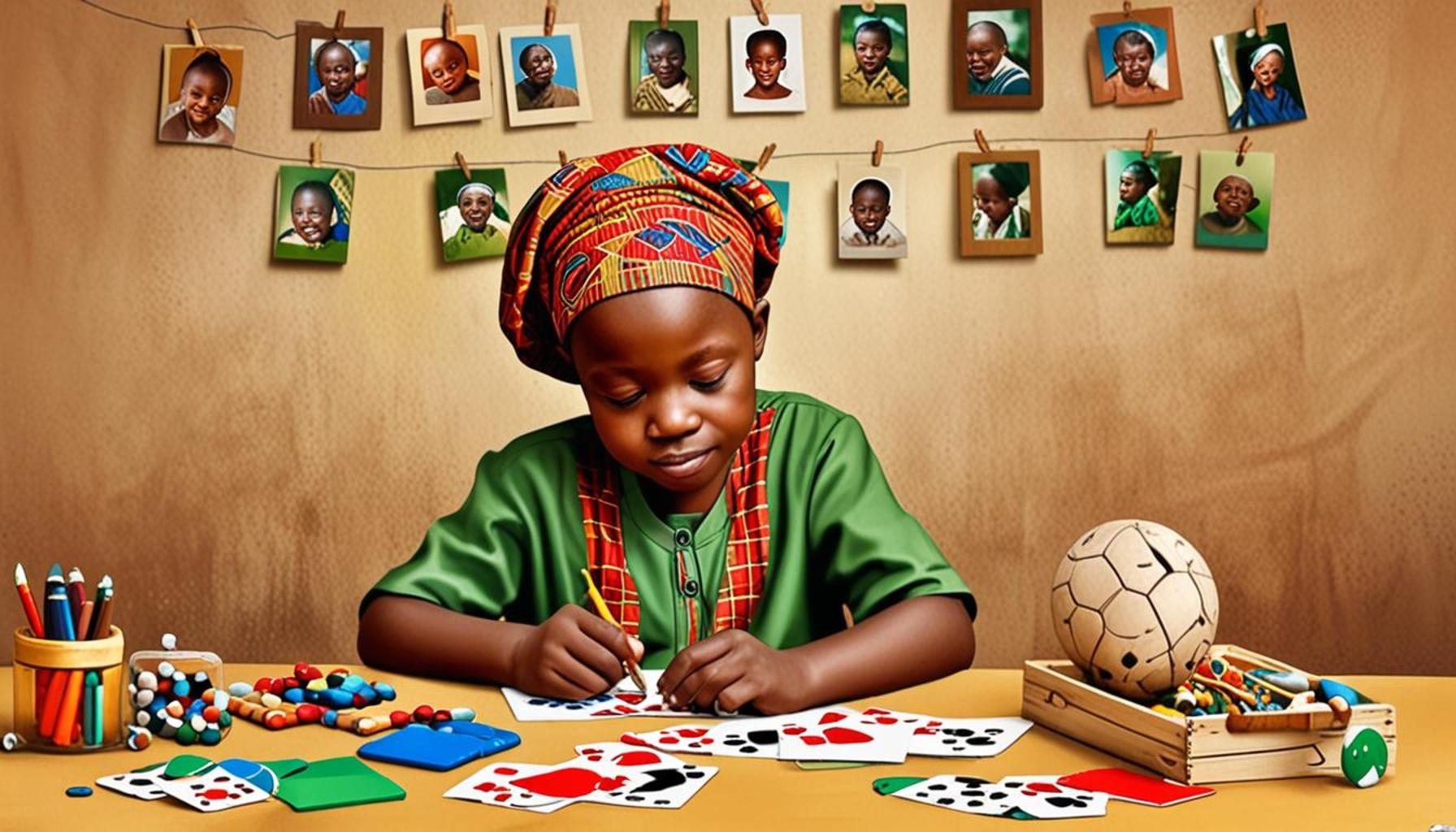
Nigeria, a nation rich in cultural diversity, is home to a significant population of individuals living with intellectual disabilities. These individuals, who contribute to the fabric of society, frequently encounter obstacles that limit their ability to participate socially and develop cognitively. In response to these challenges, an innovative and captivating tool has emerged: memory games.
Benefits of Memory Games
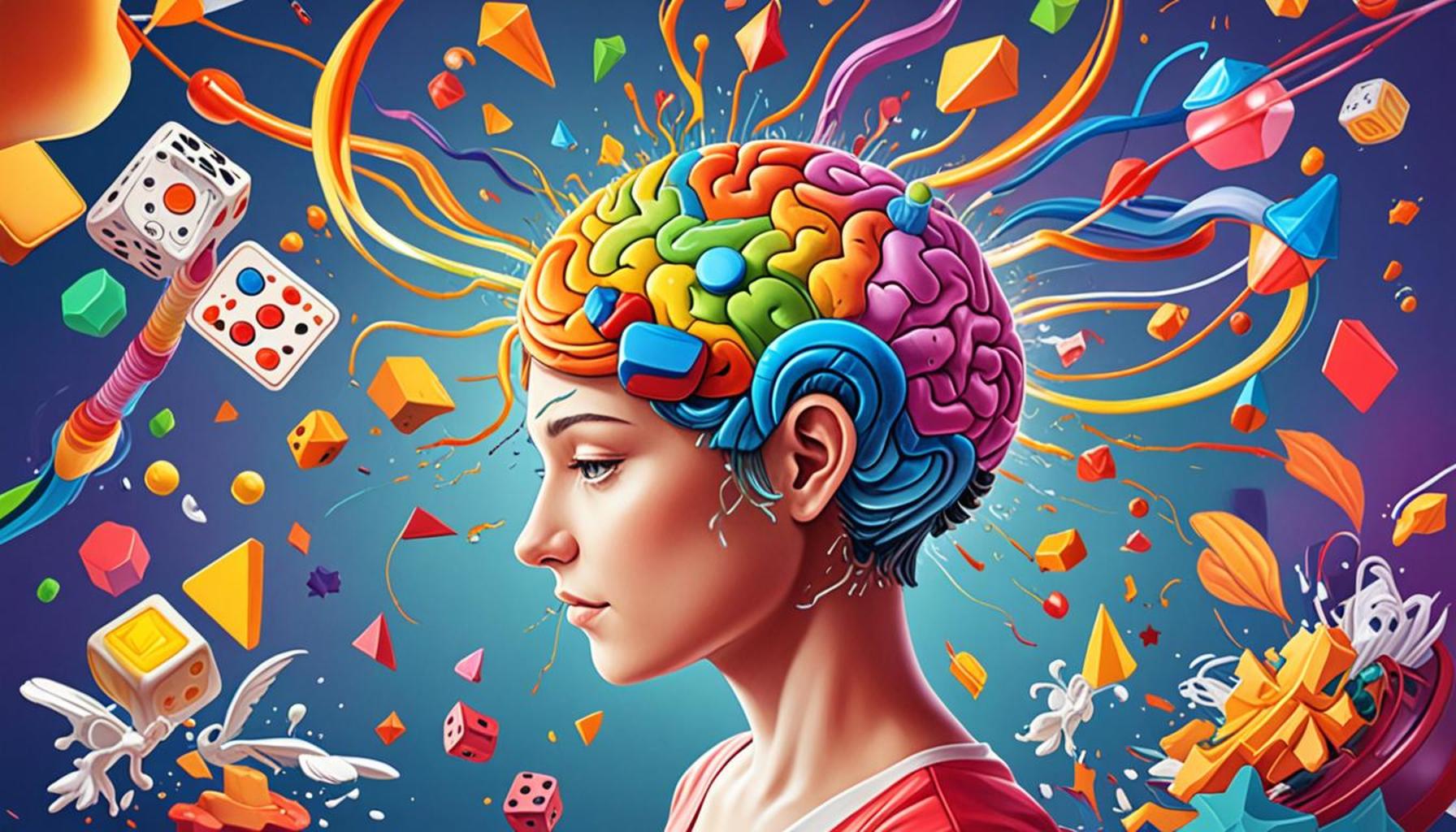
Memory games are not just simple pastimes; they serve as vital instruments for enhancing cognitive abilities and fostering social connections. These games can:
- Enhance memory and concentration: Studies have shown that engaging in memory games can improve working memory, which is crucial for everyday tasks and learning. By processing information through fun and interactive challenges, individuals can better retain and recall information.
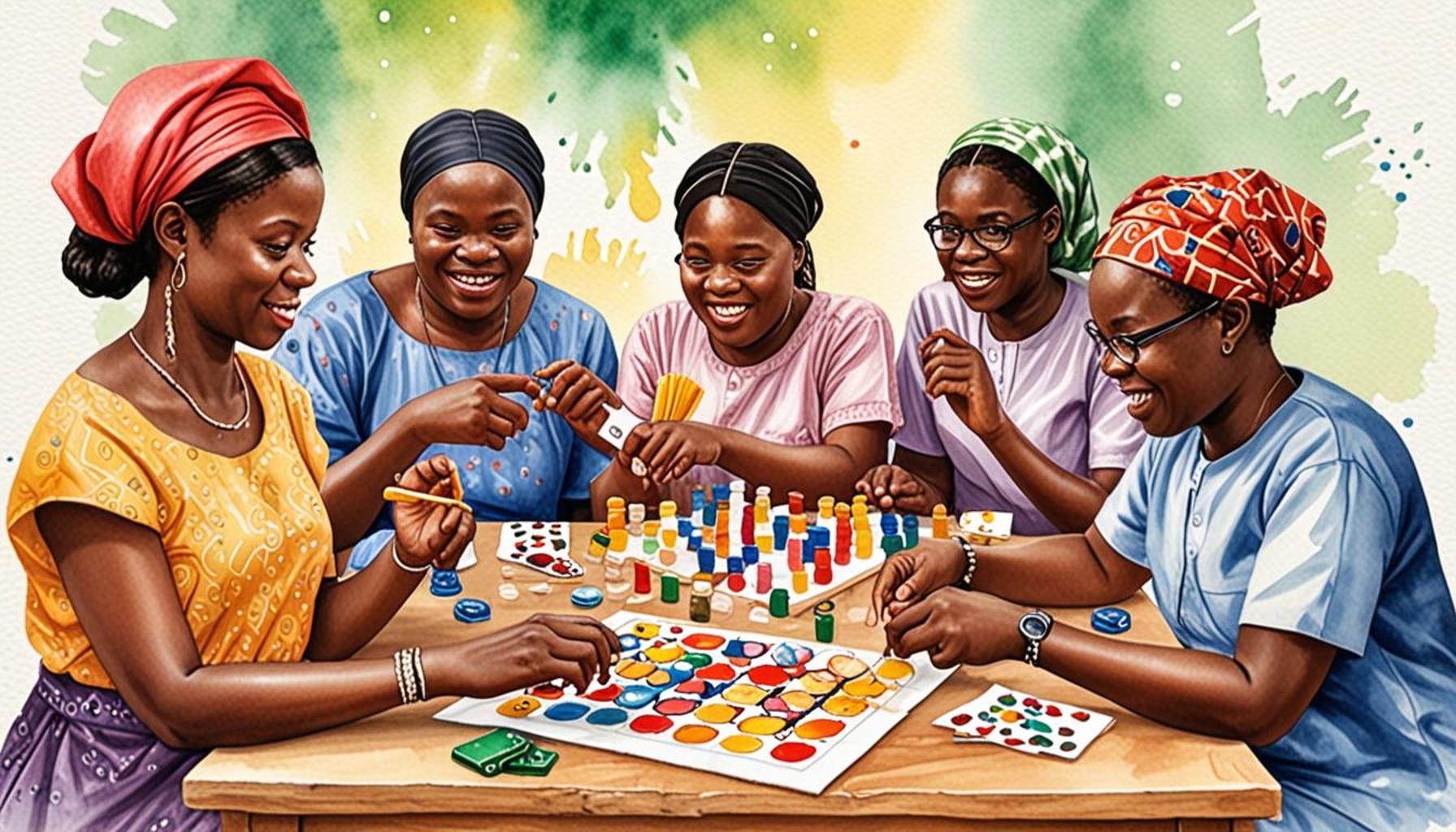
- Encourage social interaction and teamwork: Many memory games require players to engage in group activities, promoting collaboration. This dynamic helps to break down social barriers, allowing individuals with and without disabilities to interact and develop friendships.
- Build self-esteem through achievable challenges: Completing memory tasks provides a sense of accomplishment. This boost in self-esteem is vital for individuals with intellectual disabilities, as they often face discouragement in other areas of life.
Practical Applications in Nigeria
The integration of memory games into educational settings and community programs in Nigeria presents an exciting opportunity to foster a more inclusive environment. Local initiatives are leading the way, utilizing these games to:
- Facilitate learning opportunities: In schools across the country, teachers have started incorporating memory games into their curricula, making learning more engaging and effective for all students.
- Enable peer relationships: Community centers and NGOs are implementing memory games during workshops, enabling individuals with and without disabilities to work together, thereby promoting empathy and understanding.
- Promote awareness about intellectual disabilities: By showcasing the benefits of memory games, awareness campaigns are helping to shift public perceptions, encouraging a more supportive attitude towards individuals with intellectual disabilities.
By exploring the potential of memory games, communities can pave the way for significant progress in inclusivity and cognitive development. As families, educators, and community leaders come together to embrace this interactive approach, they initiate new pathways for individuals with intellectual disabilities, allowing them to thrive and actively contribute to society. The ripple effects of such initiatives can lead to a more accepting and unified community, opening doors for new opportunities and fostering a sense of belonging for all.
ADDITIONAL INSIGHTS: Expand your understanding here

Transformative Impact of Memory Games in Nigerian Communities
In Nigeria, the use of memory games has gained traction as a viable tool for enhancing cognitive development and promoting inclusivity among individuals with intellectual disabilities. As advocacy for the rights of these individuals grows, memory games are emerging as an effective means to break down barriers and create more cohesive communities. The transformative power of these games lies in their ability to cater to a variety of learning styles, ensuring that every participant, regardless of their cognitive ability, can engage meaningfully.
Actively Engaging Learners through Fun
Memory games leverage the principles of play to facilitate learning, making the process enjoyable. These games can be tailored to different skill levels, allowing individuals with intellectual disabilities to join in without feeling overwhelmed. As they engage with the games, participants exhibit improved focus, better retention of information, and enhanced problem-solving skills. Research has indicated that games which require recall and recognition can result in substantial cognitive gains, especially when played regularly in a supportive environment.
Moreover, memory games often incorporate elements of Nigerian culture, from local language words to traditional symbols, promoting cultural relevance while teaching important life skills. This connection to familiar contexts not only boosts interest but also enhances memory retention, making learning more effective.
Fostering Emotional and Social Growth
In addition to cognitive benefits, memory games are vital for emotional and social development. They provide a platform for individuals to engage with peers, fostering an environment of camaraderie and teamwork. Some key social benefits include:
- Building Relationships: Through shared experiences, individuals with intellectual disabilities can form friendships and develop social skills, such as turn-taking and communication.
- Encouraging Empathy: Participants learn to appreciate each other’s unique abilities and challenges, thereby fostering a culture of understanding and acceptance within the community.
- Promoting Resilience: Overcoming challenges in memory games boosts participants’ resilience, teaching them that perseverance can lead to success, which is vital in navigating life beyond the game.
The interplay of these factors not only contributes to individual growth but also nurtures a more inclusive atmosphere in schools and community centers across Nigeria. As educators and community leaders witness the benefits of incorporating memory games, they are compelled to create more opportunities for engagement, which contributes to a more accepting societal landscape. Overall, memory games are establishing themselves as indispensable tools for inclusion, encouraging not just cognitive advancement but social connectedness and emotional wellness.
| Advantages | Description |
|---|---|
| Cognitive Development | Memory games enhance memory recall, which is vital for skills acquisition and daily tasks among individuals with intellectual disabilities. |
| Social Interaction | Engaging in memory games fosters social skills and teamwork, encouraging inclusive play in group settings. |
Memory games serve not only as a form of entertainment but also as a valuable educational tool that can lead to improved outcomes in individuals with intellectual disabilities. These games can be easily tailored to accommodate various learning styles, making them adaptable for diverse needs. Furthermore, by participating in such activities, individuals experience a sense of belonging, which is crucial for their emotional and psychological well-being.In Nigeria, fostering inclusion through memory games helps bridge the gap in educational access for people with intellectual disabilities. Such initiatives can be further amplified with community support, raising awareness about the benefits of these games in enhancing the cognitive and social abilities of participants.Ultimately, the impact of memory games transcends mere entertainment; they hold the potential to transform lives by promoting skills that are essential for independence and social success. With proper implementation, these tools can truly serve as significant contributors to the inclusion of individuals with intellectual disabilities in Nigeria.
ADDITIONAL INSIGHTS: Expand your understanding here
Empowering Families and Communities through Memory Games
The ripple effects of integrating memory games into the lives of individuals with intellectual disabilities extend far beyond the participants themselves. Families and communities also reap significant benefits, underscoring the importance of these games as instruments for inclusion. It is essential to recognize that, in Nigeria, traditional values often dictate how individuals with disabilities are viewed and treated. Memory games challenge these conventions by fostering a sense of belonging for both individuals and their families.
Strengthening Family Bonds
Memory games encourage family involvement, providing opportunities for parents and siblings to engage with their loved ones in playful and meaningful ways. Families that partake in these activities ideally create a supportive home environment where communication flourishes. For instance, when siblings play memory matching games using family photos or favorite characters, they not only entertain but also deepen their understanding of each other’s abilities. Such bonding exercises help families build stronger connections, and ultimately elevate the overall family morale.
This familial solidarity has profound implications. As families grow closer through these shared experiences, they often become advocates for their loved ones with disabilities within the community. Families are empowered to challenge stigma, promote inclusive practices, and cultivate a more welcoming atmosphere. Furthermore, according to a report by the National Commission for Persons with Disabilities (NCPD), families that engage in inclusive activities, such as memory games, report a significant improvement in the overall psychological health of both the caregivers and the persons with disabilities.
Creating Inclusive Community Spaces
Memory games also catalyze the creation of inclusive spaces within Nigerian communities. They serve as a bridge for social interaction between individuals with intellectual disabilities and the wider public. Organizations and community centers that embrace memory games often spark interest among volunteers, educators, and health professionals eager to participate in the movement for inclusivity.
- Community Engagement: Community members, including volunteers and peer mentors, engage in organizing memory game events, facilitating a sense of ownership within the community that promotes solidarity among diverse groups.
- Local Partnerships: Schools and local organizations collaborating on memory game initiatives can foster partnerships aimed at developing resources tailored to support individuals with intellectual disabilities, thereby enriching the educational landscape.
- Awareness Campaigns: As memory games gain attention, they also provide an avenue for awareness campaigns. These campaigns focus on educating the general population about intellectual disabilities, helping reduce prejudice and misconceptions.
Incorporating these games into community programs promotes the idea that play is a fundamental right for all individuals, irrespective of their cognitive differences. As more communities in Nigeria adopt memory games as a tool for inclusion, the demonstrable effects on local culture and societal attitudes become undeniably transformative. Advocating for memory games not only serves those with disabilities but enriches entire communities, highlighting the value of diversity and inclusivity. Therefore, as Nigeria progresses towards a more inclusive future, the role of memory games remains pivotal in creating environments where individuals of all abilities can thrive together.
LEARN MORE: This related article may interest you
Conclusion: A Pathway to Inclusion and Empathy
In conclusion, the use of memory games as a tool for promoting inclusion for individuals with intellectual disabilities in Nigeria presents a promising path toward richer, more understanding communities. These games not only foster cognitive and social skills among participants but also serve as catalysts for changing societal perceptions surrounding intellectual disabilities. By engaging families and community members in shared experiences, memory games create opportunities for breaking down barriers of stigma and misunderstanding.
The essence of play as a fundamental right resonates throughout the communities that embrace these activities. With strengthened family bonds and enhanced community engagement, the impact of memory games transcends mere entertainment; it develops a culture of acceptance and respect for diversity. As children and adults alike participate, the dialogue surrounding intellectual disabilities shifts from one of exclusion to one of celebration, fostering a more cohesive societal fabric.
Moreover, as community organizations and schools collaborate to implement memory game initiatives, they create sustainable environments where individuals of all abilities are valued for their unique contributions. This evolution signifies a pivotal step towards an inclusive Nigeria, where everyone, regardless of their cognitive differences, can thrive and share in the joys of community life. Future endeavors should focus on amplifying these initiatives, ensuring they reach the most marginalized and paving the way for a future rich in empathy, understanding, and collective growth.