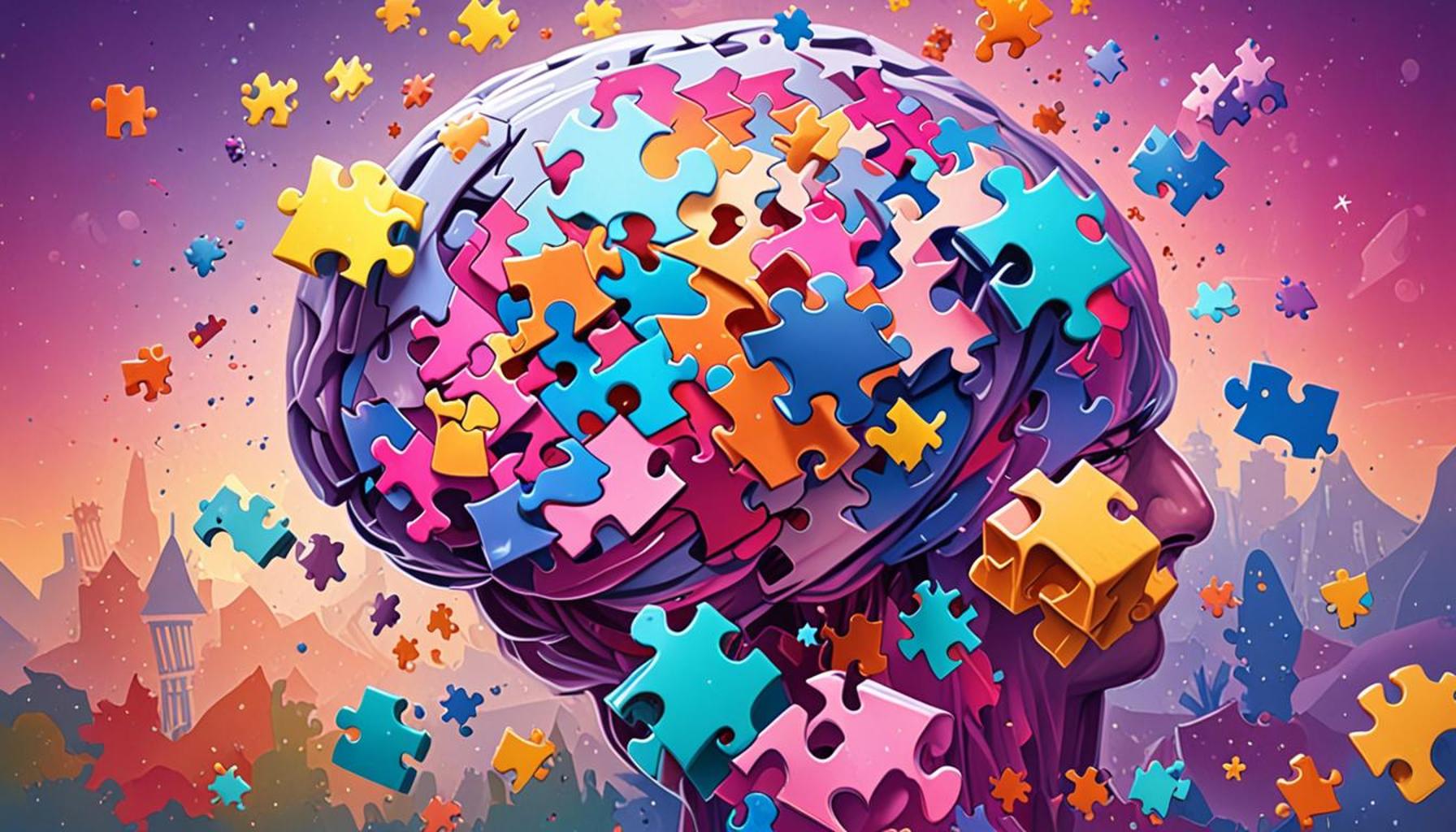
The Effectiveness of Puzzle Games in Promoting Cognitive Resilience in Nigerian Adolescents

The Rise of Puzzle Games in Nigeria
The increasing prevalence of digital technology has revolutionized the way adolescents engage with games. Among these, puzzle games have emerged as a popular genre, particularly in Nigeria, where young minds seek both entertainment and intellectual challenge. These games may hold the key to enhancing cognitive abilities and fostering resilience among the youth.
Why are puzzle games important for Nigerian adolescents? They offer a unique blend of fun and mental stimulation, which can be vital during formative years. With access to smartphones and internet connectivity becoming more widespread, titles such as “2048”, “Candy Crush”, and “Sudoku” have captured the attention of many young players. This is particularly significant in a country where educational resources can sometimes be limited, as these games create an avenue for learning while playing.
Key Benefits of Puzzle Games
Engaging with puzzle games brings several cognitive and emotional advantages:
- Improved Problem-Solving Skills: Engaging in puzzles encourages critical thinking. Players must analyze situations, devise strategies, and work through challenges, honing their ability to approach real-life problems with a creative mindset.
- Boosted Memory: Many puzzles require players to remember patterns and strategies. By repeatedly engaging with these tasks, adolescents can enhance their short-term memory and practice recalling crucial information—skills that are transferable to their academic lives.
- Enhanced Focus: Completing puzzles demands concentration, helping adolescents hone their attention spans. This increased focus can be particularly beneficial as they navigate a distracting world filled with social media and other digital content.
The Role of Cognitive Resilience
Furthermore, these games serve as a coping mechanism during challenging times, teaching young players to navigate obstacles— a skill profoundly needed in today’s fast-paced world. The concept of cognitive resilience becomes particularly relevant here, as adolescents learn to adapt, rebound, and develop persistence. By tackling increasingly difficult puzzles, they build the mental fortitude necessary to confront and overcome real-world challenges, such as academic pressures and interpersonal conflicts.
As Nigeria’s youth embrace these interactive tools, understanding their impact on cognitive health becomes essential. Researchers have begun to explore how games that challenge the mind may reduce anxiety and improve mood, particularly in urban environments where stress levels can run high due to socioeconomic factors. In the long term, fostering analytical skills and resilience through puzzle games might contribute to a more innovative and adaptive generation.

The exploration of this dynamic relationship inspires us to consider how puzzle games might shape the futures of young Nigerians, unlocking doors to greater mental fortitude and personal growth. Therefore, the trend of engaging with puzzle games is not merely a modern pastime; it represents an evolving strategy to equip young individuals with critical life skills necessary for success in an intricate world. Adopting this approach could pave the way for a more engaged, resilient, and empowered youth across Nigeria.
ADDITIONAL INSIGHTS: Expand your understanding here
The Cognitive Benefits of Engaging with Puzzle Games
The fascinating world of puzzle games is not merely an avenue for entertainment, but a potential catalyst for cognitive development. For Nigerian adolescents, these digital challenges can contribute significantly to vital skills that shape their academic performance and personal lives. As they engage in problem-solving exercises, they are unconsciously paving the way for enhanced cognitive resilience—an essential quality in today’s fast-paced society.
Through immersive experiences, puzzle games offer various cognitive benefits that can resonate well with Nigerian youth. Here are some key advantages:
- Critical Thinking Development: In navigating the intricate mechanics of different puzzles, adolescents are pushed to analyze, hypothesize, and choose the best course of action. This critical thinking process helps cultivate a mindset adept at facing and overcoming real-world challenges, such as navigating systemic issues and scarcity of resources in their environment.
- Boosting Emotional Intelligence: Many puzzle games involve collaborative elements, allowing players to work together, share tips, and support one another. This collaborative experience fosters empathy and emotional intelligence—skills that are vital for building social connections and enhancing community ties in a culturally diverse nation like Nigeria.
- Stress Relief: Engaging with these games provides an escape from daily stressors, allowing adolescents to unwind and recharge. This casual engagement can help mitigate feelings of anxiety and provide a constructive distraction during tough times, aiding them in coping with external pressures such as academic demands and family responsibilities.
Addressing cognitive resilience specifically, puzzle games create a safe space for adolescents to experiment with obstacles in a risk-free environment. By encountering and overcoming various levels of difficulty, young players develop perseverance, learning that setbacks are merely stepping stones toward success. This concept holds significant merit, particularly in a country where young individuals face a myriad of societal challenges, from educational limitations to economic instability.
Furthermore, researchers have indicated that regular engagement with puzzle games may serve as a proactive measure against mental health issues. In Nigeria, where stigma around mental health remains prevalent, incorporating enjoyable and constructive activities like puzzle games can promote better mental well-being. By embedding cognitive skills into gaming experiences, adolescents might find not only solace but a sense of achievement that reinforces their sense of self-worth and resilience.
As the digital landscape continues to advance, the prevalence of puzzle games among Nigerian youths can potentially reshape how they perceive challenges in everyday life. Observing this emerging trend invites further scrutiny into how these games could offer more than just entertainment value, emerging as essential tools for fostering a generation equipped with both cognitive resilience and emotional stability.
The Role of Puzzle Games in Cognitive Development
Puzzle games have increasingly gained recognition as effective tools for enhancing mental agility, particularly among Nigerian adolescents. Engaging in these games fosters critical thinking, problem-solving abilities, and memory retention, essential attributes for personal and academic success. Neuroscientific research indicates that playing such cognitive challenges regularly can lead to improved brain plasticity, which is crucial in developing resilience against cognitive decline.
Enhancement of Problem-Solving Skills
Through the intricate designs of puzzle games, players are often required to devise strategies to overcome obstacles. This aspect effectively trains adolescents to approach challenges in real life with a more analytical mindset. For instance, games such as Sudoku and crosswords enhance not just logical reasoning but also promote the ability to view problems from multiple perspectives, an invaluable skill in today’s fast-changing world.
Improvement of Social Skills
Moreover, many puzzle games incorporate multiplayer modes that encourage collaboration and teamwork. This interaction can significantly boost communication skills among Nigerian youths, fostering a sense of community and belonging. These social exchanges are vital for emotional support, particularly for adolescents navigating the challenges of growing up in a complex environment.
Additional Cognitive Benefits
Research shows that consistent engagement in puzzle games can also lead to increases in cognitive resilience. This resilience is crucial in managing academic pressures and emotional well-being. Puzzle games offer a safe space for uncertainty and failure, which teaches adolescents how to cope with setbacks constructively, creating a solid foundation for their future endeavors.
| Category | Advantages |
|---|---|
| Cognitive Skills | Enhance critical thinking and problem-solving abilities. |
| Social Development | Foster teamwork and communication skills within a community. |
The ongoing exploration of the effectiveness of puzzle games in fostering cognitive resilience presents new opportunities for educators and parents to leverage these engaging tools in both learning and everyday scenarios. By incorporating structured puzzle play into adolescent routines, stakeholders can potentially harness benefits that extend far beyond mere entertainment.
YOU MAY ALSO LIKE: Read read another article
Engagement and Social Impact of Puzzle Games in Nigeria
Beyond the individual cognitive benefits, puzzle games can profoundly influence social dynamics among Nigerian adolescents. The interactive nature of these games encourages participation, cooperation, and competition among peers—fostering a sense of community. This social engagement is critical, especially in a country where communal ties are highly valued and can often serve as a support system during adolescence.
Peer Collaboration and Teamwork: Many puzzle games are designed for multi-player experiences, where adolescents can join forces to tackle challenging levels. This collaboration not only strengthens problem-solving skills but also promotes teamwork and communication abilities. For example, in games like “Ludo” or “Trivia Crack,” players discuss strategies and share insights, enhancing their learning experiences. These interactions mirror real-life societal interactions that adolescents face, equipping them with the necessary skills to work effectively in teams as they grow into adulthood.
Leadership Skills: Participating in group settings while playing puzzle games allows some adolescents to take on leadership roles, guiding others and solving conflicts that might arise during gameplay. This experience can translate into real-world situations, helping these youths develop essential leadership traits that are often sought after in academic and professional environments. In Nigerian schools and organizations that encourage group projects and collaborative work, these game-acquired skills become invaluable.
Cultural Relevance and Adaptability: The adaptability of puzzle games also speaks to the cultural context of Nigeria. Many games can reflect local themes, language nuances, or historical narratives that resonate with Nigerian youth. For instance, a puzzle game incorporating elements of Nigerian culture may motivate adolescents to engage with their heritage while developing cognitive and social skills. This culturally-relevant approach can promote a sense of identity and pride while also positioning them to navigate a diverse society.
Moreover, the rise of smartphone penetration in Nigeria has made puzzle games increasingly accessible to adolescents from various socioeconomic backgrounds. The relatively low-cost nature of many mobile puzzle games allows for widespread participation, creating an inclusive environment that enriches cognitive training for a broader demographic. This accessibility means that regardless of their academic standing or resource availability, many adolescents can benefit from the cognitive resilience fostered through these gaming platforms.
Combating Isolation: In urban areas where adolescent isolation might be profound, especially for those trying to balance academics with family obligations, puzzle games provide a sense of connection. Online platforms allow them to interact with peers from different regions, breaking geographical barriers. This virtual connection can lead to lasting friendships, shared experiences, and improved emotional well-being, directly impacting cognitive resilience through social support systems.
As puzzle games continue to evolve, integrating educational elements, involving local narratives, and promoting collaborative play, the potential for these games to become integral tools for boosting both cognitive resilience and social cohesiveness among Nigerian adolescents becomes increasingly prominent. Embracing the power of play while navigating real-world pressures presents a unique opportunity for development, thus warranting further exploration into how puzzle games can be effectively utilized within educational settings and youth programs across Nigeria.
YOU MAY ALSO LIKE: Read read another article
Conclusion
In a rapidly changing world where challenges are ubiquitous, puzzle games offer a dynamic and engaging platform for Nigerian adolescents to enhance their cognitive resilience. This innovative approach not only equips them with critical problem-solving and analytical skills but also nurtures vital social interactions and cultural connections. By participating in collaborative and competitive gaming environments, these youths develop essential traits—such as teamwork, communication, and leadership—that will serve them well in their academic and future professional lives.
Moreover, the cultural relevance of localized puzzle games creates a sense of identity and belonging among players, fostering pride in their heritage while promoting cognitive engagement. The accessibility of these games—thanks to the proliferation of smartphones—ensures that adolescents from diverse backgrounds can partake in this enriching experience, democratizing the benefits of cognitive training and social connectivity.
As we delve deeper into the transformative potential of puzzle games within educational and youth programs, we uncover an exciting avenue for personal and communal development. This intersection of fun and learning not only entertains but can also play a pivotal role in shaping resilient individuals equipped to navigate the complexities of modern life. Future research and initiatives should focus on leveraging these gaming frameworks to maximize cognitive benefits, social cohesiveness, and cultural pride among Nigeria’s youth, ultimately contributing to a stronger, more resilient society.