
The Importance of Logic Games in the Cognitive Development of Nigerian Children

The Importance of Early Cognitive Development
In the formative years of a child’s life, cognitive development acts as the bedrock of learning and understanding the world around them. For many regions in Nigeria, access to quality educational resources can be uneven, sometimes challenging the potential for early learning. This is where logic games emerge as a revolutionary method to stimulate young minds. They provide a multifaceted approach to learning, merging fun with functionality, and helping children hone skills that are crucial for their future.
Benefits of Logic Games
- Cognitive Skills: Engaging in logic games encourages higher-level thinking processes. These games require players to confront problems head-on, enhancing their abilities to reason and solve complex challenges. For example, a game like chess teaches strategic thinking, encouraging children to anticipate their opponent’s moves and plan far ahead.
- Social Interaction: Many logic games are designed for multiple players, which fosters teamwork and collaborative problem-solving. Games like Whot, popular among Nigerian youth, allow players to interact, negotiate, and build friendships while honing their critical thinking skills in a fun environment.
- Emotional Resilience: Logic games often present players with difficult scenarios that require persistence to overcome. Such experiences are critical in building emotional resilience; children learn that failure is often a stepping stone to success. For instance, playing strategy-based games helps instill a sense of patience and the ability to cope with setbacks.
In Nigeria, traditional games such as Ayò, a board game often played during gatherings, exemplify the seamless blend of cultural heritage and cognitive training. Ayò not only preserves important aspects of Nigerian culture, such as storytelling and community engagement, but also imparts essential lessons on strategy, foresight, and patience. These games serve as a reminder of the value of communal experiences while fostering essential skills through play.
As Nigeria embraces modernization and innovation, incorporating logic games into early childhood education can lay a strong foundation for future generations. Educationalists and parents can work together to introduce these tools in schools and homes alike. By doing so, we not only nurture a generation equipped with vital cognitive and social skills but also bridge the gap between traditional gameplay and contemporary learning methodologies. Investing in these playful yet purposeful strategies could lead to a brighter, more intellectually sound future for Nigerian children.
RECOMMENDED: Check out this similar article
Enhancing Critical Thinking Through Play
Across Nigeria, children face numerous challenges in their early education, from limited resources to varying educational standards. However, integrating logic games into their learning experience can dramatically enhance their cognitive development. These games not only entertain but also cultivate essential skills such as critical thinking, problem-solving, and decision-making, which are vital in today’s fast-paced world.
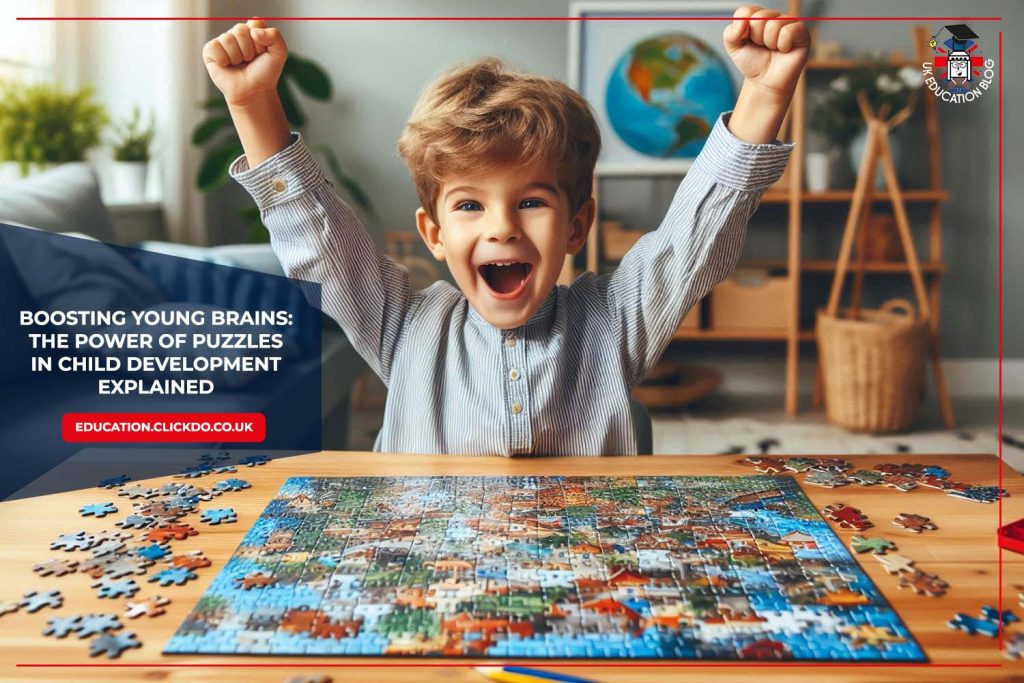
One of the most alluring aspects of logic games is their ability to engage children while simultaneously fostering cognitive skills. When children partake in activities like Ludu or Dammy, they are not just having fun; they are learning to think critically. These games often present puzzles and challenges that require logical reasoning and the application of strategies, providing the perfect environment for kids to exercise their minds.
Key Cognitive Skills Developed
- Analytical Thinking: Logic games challenge children to analyze different scenarios and choose the best course of action. By evaluating possible outcomes, kids learn to think analytically—an important skill in academics and everyday life.
- Pattern Recognition: Many logic games emphasize recognizing patterns or sequences. Children who practice games that require this skill naturally become better at identifying trends in their academic subjects, enhancing their mathematical and scientific understanding.
- Memory Enhancement: The repetitive nature of certain logic games helps strengthen children’s memory. For instance, games that require players to recall previous moves or strategies can significantly impact their ability to retain information in school.
Moreover, the social aspect of playing logic games cannot be overlooked. In Nigerian culture, games serve as a gathering point, fostering relationships while developing cognitive skills. The act of playing together encourages children to communicate effectively, resolve conflicts, and learn from one another. This dynamic not only strengthens their cognitive abilities but also enhances their potential for strong interpersonal skills, invaluable in their future endeavors.
Implementing logic games in early education can be particularly beneficial in rural areas of Nigeria, where access to sophisticated learning tools may be limited. These games often require minimal resources and can be easily integrated into school curriculums or family activities. When educators and parents commit to incorporating these engaging activities into a child’s routine, they pave the way for enhanced cognitive development and an enriched learning experience.
By engaging with logic games, Nigerian children not only embrace their cultural heritage but also forge a path toward intellectual growth. As we seek to improve educational standards across the nation, understanding the significance of these games in promoting cognitive skills can lead us to more innovative and effective teaching methods.
| Category | Key Features |
|---|---|
| Cognitive Skills | Enhances problem-solving abilities, critical thinking, and logical reasoning. |
| Social Interaction | Encourages teamwork and communication among peers, fostering deeper connections. |
| Creativity | Stimulates imaginative thinking and the exploration of alternative solutions. |
| Game-based Learning | Transforms learning into an engaging, enjoyable process, making education more effective. |
The benefits of logic games extend beyond mere cognitive enhancement; they play a vital role in developing a child’s overall personality. For instance, engaging children in logic-based activities can significantly enhance their aptitude in academics. More than just entertainment, these games sharpen children’s strategic thinking and encourage them to approach challenges methodically.Moreover, as children navigate through trials in games, they inevitably learn about resilience and the importance of perseverance. This resilience is essential in confronting real-life challenges, making them better equipped to handle everyday situations. Additionally, the social aspect of many logic games allows children to experience cooperation and communication, skills that are invaluable in the increasingly collaborative world they inhabit.It is critical for educators and parents to recognize this potent influence and integrate logic games into the developmental activities of Nigerian children, thereby promoting a brighter academic future and honing essential life skills that go beyond the classroom.
RECOMMENDED: Check out this similar article
Cultivating Creativity and Engagement
In addition to enhancing critical thinking, logic games serve as powerful tools for stimulating creativity among Nigerian children. These games provide a canvas for imaginative play, encouraging children to devise unique strategies and solutions as they navigate complex challenges. By engaging with such games, children learn that there is often more than one way to achieve a goal, fostering an innovative mindset that can benefit them extensively as they pursue higher education and future careers.
For instance, games like Chess have gained popularity in urban areas, offering children a chance to explore critical tactics in a strategic environment. The diverse thinking required in Chess translates not only into improved academic performance but also challenges children to think outside the box. Faced with a myriad of possible moves, children learn to predict an opponent’s actions while formulating their creative approaches, enhancing their ability to visualize situations and develop foresight.
Boosting Emotional Intelligence
The role of logic games in promoting emotional intelligence is another crucial aspect that cannot be ignored. When children play together, they encounter varying emotions ranging from excitement to frustration. Managing these emotions within the context of a game allows them to cultivate resilience and empathy. For example, when a child experiences disappointment after losing a game, this presents an opportunity for learning about handling emotions constructively and supporting peers who might feel the same way.
Additionally, the teamwork aspect of many logic games, particularly those involving cooperative play, fosters a sense of belonging and social cohesion. In Nigerian communities, these games often become communal activities, where children learn to work toward common goals, manage interpersonal relationships, and celebrate collective achievements. These experiences are vital for developing their emotional intelligence and strengthening community ties, which are fundamental in Nigerian culture.
Access and Adaptation of Logic Games
Making logic games accessible to children in both urban and rural areas is essential for reaping their benefits. Educators and community leaders might explore the adaptation of existing local games or the development of new ones, tailored to reflect Nigerian culture and values. This cultural resonance enhances engagement and allows children to relate to the challenges and puzzles presented in the games, deepening their connection to their heritage.
Furthermore, with the rapid growth of technology, digital logic games have emerged, offering another avenue for engagement. These applications not only offer a modern twist to traditional games but also provide a platform for children to hone their skills at their own pace. By embracing technological advancements in education, educators can blend traditional play with digital learning experiences, catering to diverse learning preferences and activities.
Lastly, parents play a pivotal role in promoting logic games in their children’s daily lives. By setting aside time to engage in such activities as a family, they can nurture an environment where curiosity thrives. Whether through board games, outdoor puzzles, or mobile applications, the message remains clear: incorporating logic games into the fabric of children’s everyday experiences can unlock their cognitive potential, ultimately paving the way for a more educated, creative, and resilient generation of Nigerian youth.
CHECK OUT: Click here to explore more
Conclusion: Harnessing the Power of Logic Games for Future Generations
As explored throughout this article, the significance of logic games in the cognitive development of Nigerian children cannot be overstated. These engaging activities enhance critical thinking skills, stimulate creativity, and foster emotional intelligence, all of which are essential in shaping well-rounded individuals. By incorporating logic games into daily play, children not only develop academically but also learn to navigate social interactions and manage emotions effectively. This holistic approach to development prepares them for the complexities of the modern world.
Moreover, the accessibility and adaptation of logic games to fit the cultural context of Nigeria ensures that children from diverse backgrounds can partake in these enriching experiences. Utilizing traditional games alongside digital platforms creates a multifaceted approach to learning that caters to varying preferences while keeping them connected to their heritage.
In conclusion, promoting the importance of logic games should be a collective responsibility involving parents, educators, and community leaders. Taking an intentional stance towards incorporating these games can pave the way for a generation of Nigerian children equipped with critical life skills—problem-solving abilities, innovative thinking, resilient attitudes, and strong social bonds. As Nigeria continues to evolve, nurturing children’s cognitive potential through logic games will undoubtedly form the bedrock for a brighter future and a more dynamic society. In essence, the investment in logic games today is an investment in the leaders of tomorrow.