The Importance of Memory Games in the Cognitive Development of Children

Engaging Young Minds through Playful Learning
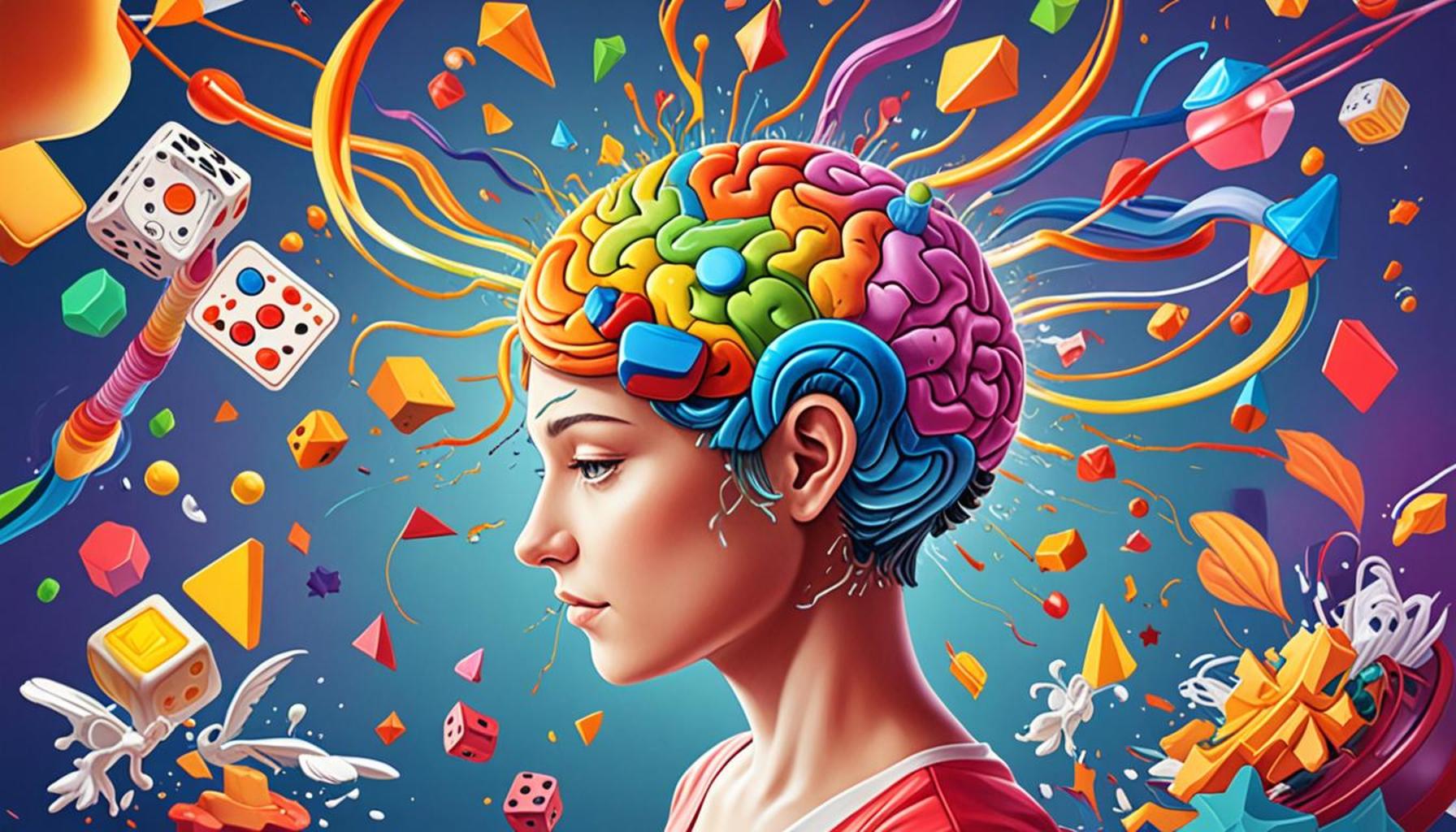
In today’s fast-paced and digitally dominated world, memory games present an engaging and effective method for fostering critical cognitive skills in children. These games go beyond mere entertainment; they play a fundamental role in shaping a child’s cognitive development. By encouraging playful recall and problem-solving, children can enhance their memory capacity and concentration skills significantly.
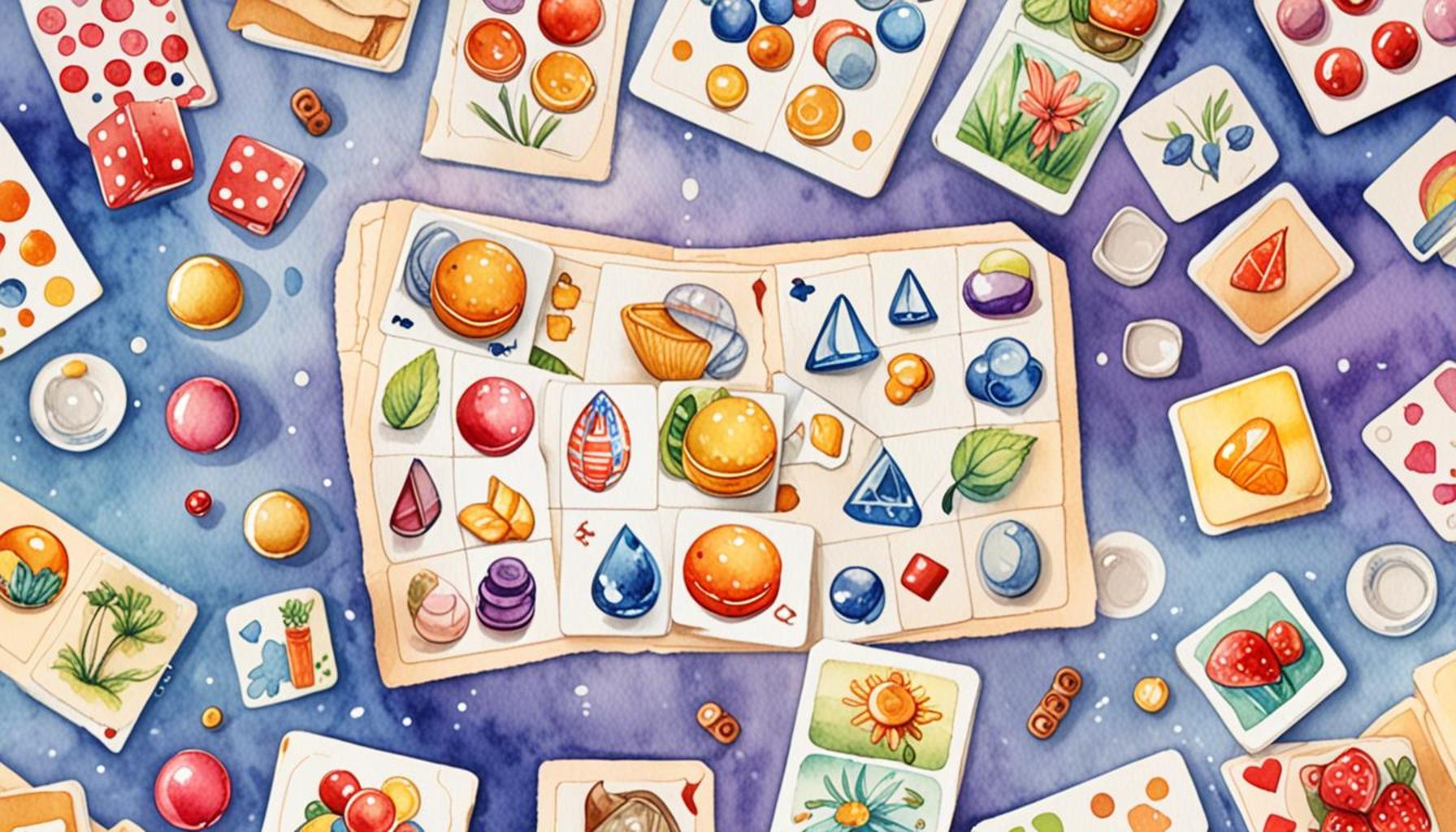
One of the most prominent benefits of engaging in memory games is the enhanced memory they promote. Research indicates that consistent participation in these games can lead to substantial improvements in both short-term and long-term memory retention. For instance, children who routinely play card-matching games or participate in memory retrieval tasks tend to remember information more efficiently than those who do not. Memory games encourage the repetition and retrieval of information, which is crucial in laying a solid foundation for future learning.
Additionally, these games significantly improve cognitive skills needed for everyday problem-solving. Critical thinking abilities are honed as children learn to strategize their moves, anticipate their opponents’ actions, and make decisions based on observed patterns. For example, while playing a memory card game, children must remember the locations of different cards, which helps sharpen their analytical thinking and enhances their processing capacity.
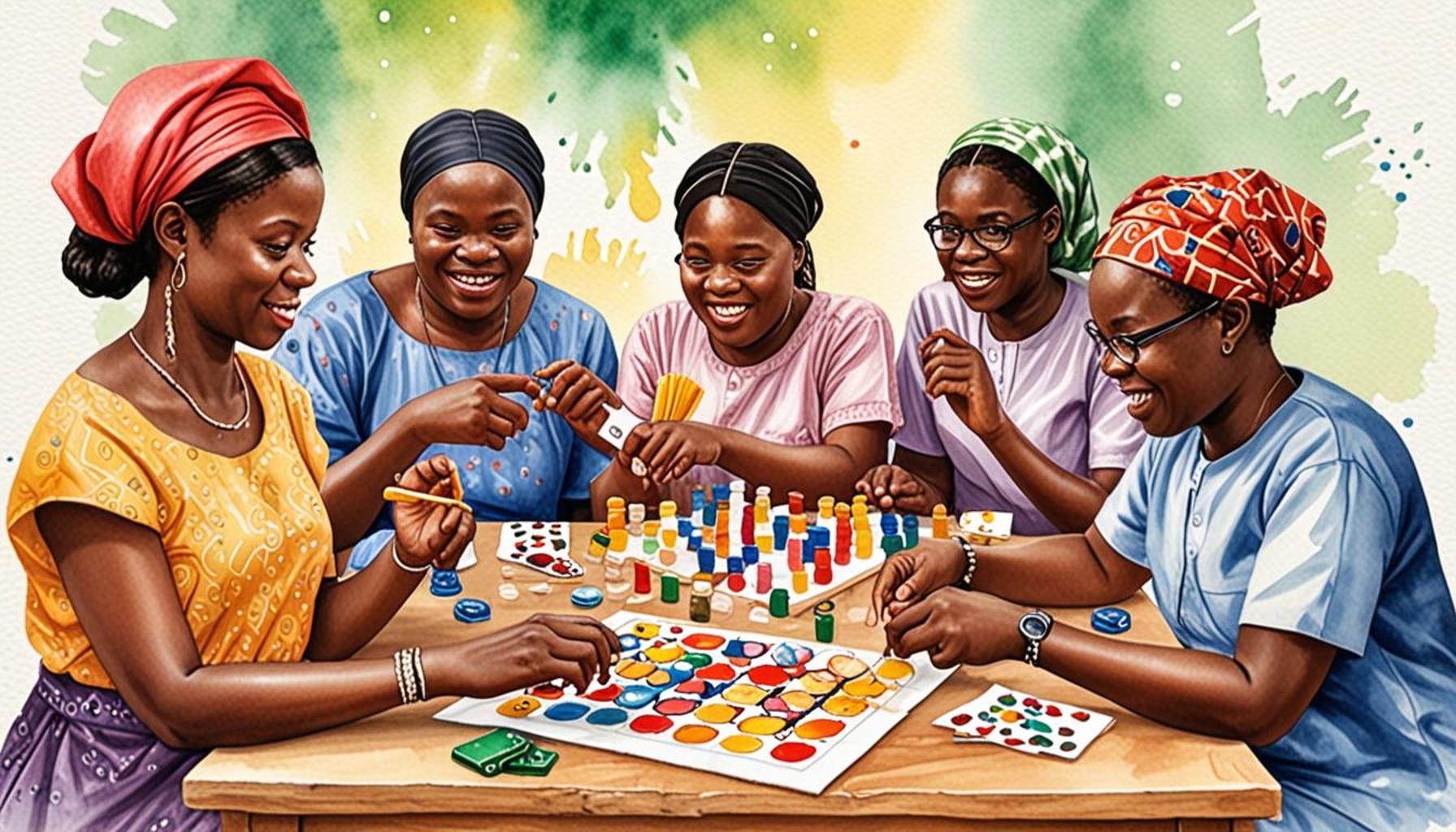
Moreover, many memory games accommodate multiple players, promoting social interaction. This collaborative aspect nurtures teamwork and communication skills, vital in the socio-cultural fabric of Nigeria where communal activities are highly valued. Games such as “I Spy” or traditional card-matching games can be easily played in collaborative settings, whether in classrooms or during family gatherings, making learning a shared experience. This communal approach not only stimulates mental growth but also strengthens the bonds between participants.
In Nigeria, incorporating memory games into educational frameworks offers a culturally relevant approach to learning. Traditional games resonate with local customs and practices, while emerging technology has introduced digital versions of memory games that captivate the interest of today’s tech-savvy youth. Apps designed for improving memory can combine fun with educational content, ensuring that children engage with learning in an innovative and exciting manner.
Ultimately, integrating memory games into a child’s daily routine can unlock their hidden potentials, leading to improved cognitive abilities. Recognizing the profound effects these games can have may inspire educators and parents across Nigeria to adopt new, innovative strategies in children’s education. By fostering an environment rich in play and cognitive challenge, the path to a brighter, more knowledgeable future for children can be forged.
YOU MAY ALSO LIKE: Read read another article
Cognitive Skills and Memory Retention: The Benefits Explored
As parents and educators alike seek effective strategies to enhance children’s learning experiences, the role of memory games in boosting cognitive abilities cannot be overlooked. These games serve as powerful tools for developing essential mental faculties critical for academic success and everyday functioning. The process of playing memory games nurtures a variety of cognitive skills, which can lead to profound benefits encompassing several areas.
One of the primary advantages of memory games is their ability to improve short-term and long-term memory through a process known as active engagement. Children are prompted to remember locations, sequences, and details, thus promoting retention through muscle memory and cognitive mapping. A study conducted by cognitive researchers highlighted that children who frequently engage in memory tasks demonstrate a remarkable increase in recall ability when compared to their peers. By regularly playing these games, children learn to encode information more effectively into their memories, forming solid foundations for future learning.
Furthermore, memory games foster attention span and focus, significantly contributing to a child’s cognitive profile. Tasks that require concentration, such as remembering card placements or identifying matching pairs, thrust children into situations where they must hone their attentional skills. For instance, during interactive sessions of classic memory matching games, children are apt to focus intensely to succeed, cultivating the persistence required to tackle complex challenges in both academic and social settings.
In addition to memory enhancement and attention building, children who play memory games also develop crucial problem-solving abilities. The strategic element inherent in many memory-related games teaches children how to devise plans, assess risks, and adapt their strategies as needed. This inductive reasoning helps children navigate an array of dilemmas, sharpening their adaptability—a vital skill in today’s quickly changing world.
- Improves memory retention: Regularly playing memory games enhances both short-term and long-term memory.
- Boosts attention span: Children learn to maintain focus and concentration in fast-paced game settings.
- Enhances problem-solving skills: Children engage in strategic thinking by evaluating moves and considering options.
Moreover, the impact of memory games extends far beyond the individual child, contributing positively to the classroom environment and family dynamics. In Nigeria, the communal spirit is vital for cultural bonding, and memory games can be integrated into group settings, nourishing collaborative learning experiences. As children gather to play games such as “Ludu” or engage in traditional storytelling enriched with memory challenges, they not only strengthen cognitive skills but also forge deeper connections with their peers and family members.
Ultimately, memory games represent a compelling intersection between learning and play, offering pathways that will enhance children’s cognitive development while ensuring that learning is enjoyable and communal. Encouraging children to engage in these activities will not only enrich their academic journeys but also empower them with vital skills they can carry into adulthood.
The Significance of Memory Games in Childhood Learning
The cognitive development of children is a multifaceted process, where memory games play a noteworthy role. These activities are not merely recreational; they’re crucial tools that can significantly enhance a child’s mental faculties. Engagement in memory games fosters improved attention spans, as children must focus on remembering details while also engaging with their peers. This practice helps to cultivate heightened concentration, setting a strong foundation for academic achievement.In addition to improved focus, memory games facilitate the growth of critical thinking skills. As children strategize and make decisions about how to win games, they learn to evaluate options and adjust their approaches based on outcomes. Such skills are invaluable, fostering an analytical mindset beneficial for problem-solving.Moreover, these games can have a profound effect on social interaction. Playing memory games often involves teamwork or competition, enabling children to develop important social skills such as cooperation, communication, and understanding various perspectives. By working with others, children learn about sharing, taking turns, and managing both victory and defeat gracefully.Memory games also contribute to emotional *resilience*. They challenge children to overcome setbacks and persistent efforts to acquire success. This process strengthens their ability to cope with frustration and build a positive self-image, encouraging perseverance in other areas of life.Thus, incorporating a variety of memory games into children’s routines does not only promote cognitive growth but also nurtures their emotional and social well-being. As parents and educators, recognizing the significance of these games is essential in aiding the holistic development of children.
| Category | Benefits |
|---|---|
| Cognitive Skills Enhancement | Improves attention span and concentration |
| Social Development | Encourages teamwork and communication skills |
| Emotional Resilience | Teaches coping skills and perseverance |
Memory games indeed serve as powerful instruments for cognitive development. They engage children not just intellectually, but also socially and emotionally, creating an all-encompassing strategy for fostering well-rounded growth. As research continues to underscore the importance of such activities, it’s evident that embracing memory games leads to a brighter and more robust future for our children.
YOU MAY ALSO LIKE: Read read another article
Social Skills and Emotional Growth: Memory Games Beyond Cognitive Development
While memory games are widely recognized for enhancing cognitive functions, their benefits extend into the realms of social skills and emotional intelligence. Playing these games often involves multiple participants, creating an environment where children learn to navigate social interactions. Collaborative gameplay, whether in family settings or school groups, fosters essential skills such as communication, cooperation, and empathy. In a Nigerian context, such games can serve as platforms for cultural exchange, as children experience teamwork while developing communication strategies that are integral to their social development.
Moreover, engaging with peers in memory games provides an opportunity for children to practice turn-taking and patience. These skills are invaluable as they move through various stages of life, fostering respect for others and reinforcing the importance of shared experiences. During gameplay, children learn to celebrate victories modestly and cope with losses gracefully, thus enhancing their emotional resilience. The emotional responses elicited during competitive play—whether joy after a win or determination after a loss—offer practical lessons in managing feelings and developing a positive self-image.
Additionally, memory games can serve as excellent tools for developing confidence and self-esteem. As players progress and improve their memory skills, they experience a sense of achievement that bolsters their belief in their abilities. Research has indicated that children who engage regularly in memory-enhancing activities often report higher levels of self-confidence, which contributes to better performance in academic settings as well as in personal relationships. In Nigeria, where communal achievements are celebrated, such milestones can lead to greater community bonding, reinforcing cultural identity while empowering the younger generation.
Another layer to consider is the adaptation of memory games to incorporate cultural narratives and indigenous folklore, which can make these activities more meaningful for children. Traditional stories that involve memory challenges can not only enhance cognitive skills but also teach children their cultural heritage, creating a unique blend of entertainment and education. For example, adapting a traditional game, where children must remember characters and events from well-known stories, can boost both memory retention and cultural literacy.
- Enhances social skills: Collaborative gameplay promotes communication, cooperation, and empathy among peers.
- Builds emotional resilience: Children learn to manage emotions, cope with wins and losses, and develop a positive self-image.
- Encourages confidence: Regular participation in memory games fosters a sense of achievement, boosting self-esteem.
- Cultural connection: Incorporating traditional narratives into memory games enhances cultural awareness and identity.
As memory games continue to flourish in various forms—be it traditional board games, digital applications, or interactive storytelling—their potential to nurture social cohesion and emotional intelligence remains significant. The integration of cultural elements especially aligns with Nigeria’s rich heritage, offering a dynamic approach to children’s cognitive and social development. Indeed, the importance of memory games transcends the confines of mere play, presenting a multifaceted impact that celebrates learning through connection and engagement.
YOU MAY ALSO LIKE: Read read another article
Conclusion: A Pathway to Holistic Development Through Memory Games
In conclusion, memory games represent a powerful tool in the journey of cognitive development for children. Their multifaceted benefits extend beyond mere memory enhancement, reinforcing crucial aspects such as social skills, emotional resilience, and a deep-seated cultural identity. These games create a rich environment where collaboration and competition occur side by side, allowing children to navigate the complexities of interactions with peers while also building vital communication skills.
As observed, the practice of turn-taking and the management of victories and defeats fosters an atmosphere where children learn patience and respect, pivotal traits that shape their personalities. Furthermore, the sense of accomplishment gained from mastering memory tasks gradually nurtures self-confidence, laying a solid foundation for success in both academic and personal endeavors. In the Nigerian context, where cultural narratives play a significant role in community bonding, incorporating traditional tales into memory games not only enhances cognitive capabilities but also deepens children’s connection to their heritage.
Memory games are not just activities for leisure; they are essential components of a holistic developmental strategy that can have lasting effects on a child’s future. As parents, educators, and communities in Nigeria recognize the importance of these games, they can together contribute to cultivating a generation that is not only intellectually equipped but also socially conscious and culturally aware. This call to action invites us to embrace memory games as a vital element in shaping well-rounded, capable individuals who will thrive in a diverse and interconnected world.